Water Damage Restoration West Linn, OR
Water damage restoration in West Linn starts with the route water takes through a home. The restoration team removes standing water, checks concealed layers and dries retained materials to documented goals, 24/7.
(888) 373-8814Call about the spreading water- 24/7 water assessment
- IICRC S500 drying method
- Recorded moisture progress
A stopped leak still leaves a drying decision. The assessment separates source repair from the materials already wet.
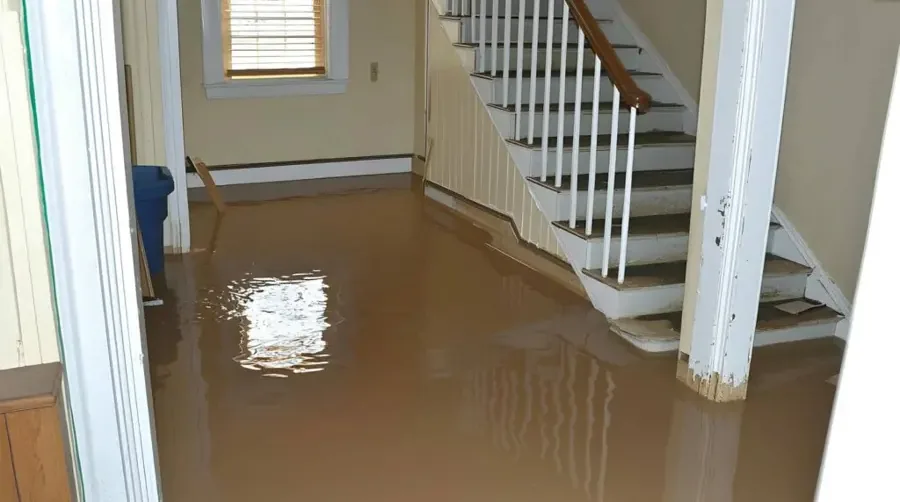
What to do while the water is still moving
- Use a safe shutoff. An accessible valve can limit a supply release. Occupants should never cross electrically unsafe water to reach it.
- Keep the area clear. People and pets stay away from sewage, sagging materials and wet electrical equipment until the hazards receive attention.
- Preserve safe evidence. Photos from dry ground can show the original water path and damaged contents before the restoration crew changes the scene.
- Describe affected levels. A caller identifies the source if known, rooms involved and water visible below or beside the first wet area.
- Arrange material assessment. The restoration team maps retained moisture and explains extraction, access and drying decisions beyond the immediate source repair.
Water Damage Restoration Services in West Linn, OR
Different releases need different first steps. Each service addresses its source, affected materials, drying access and documentation so the proposed work fits the actual loss.
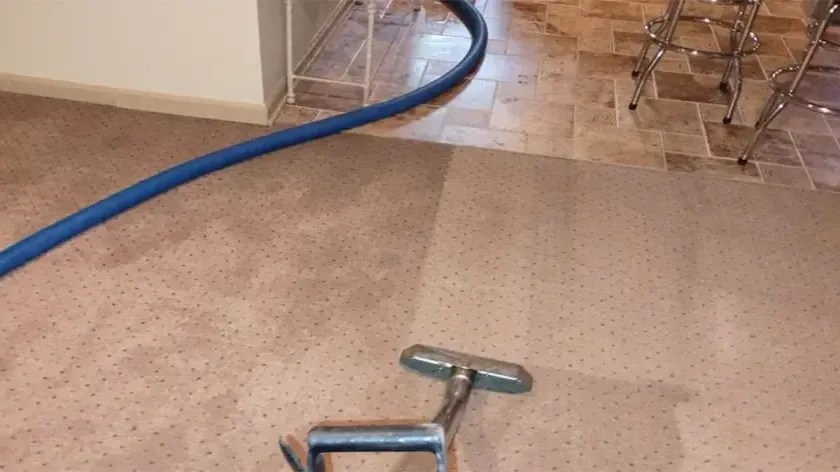 Water ExtractionPumps and extraction tools recover standing water before the crew checks the moisture left inside floors and walls.
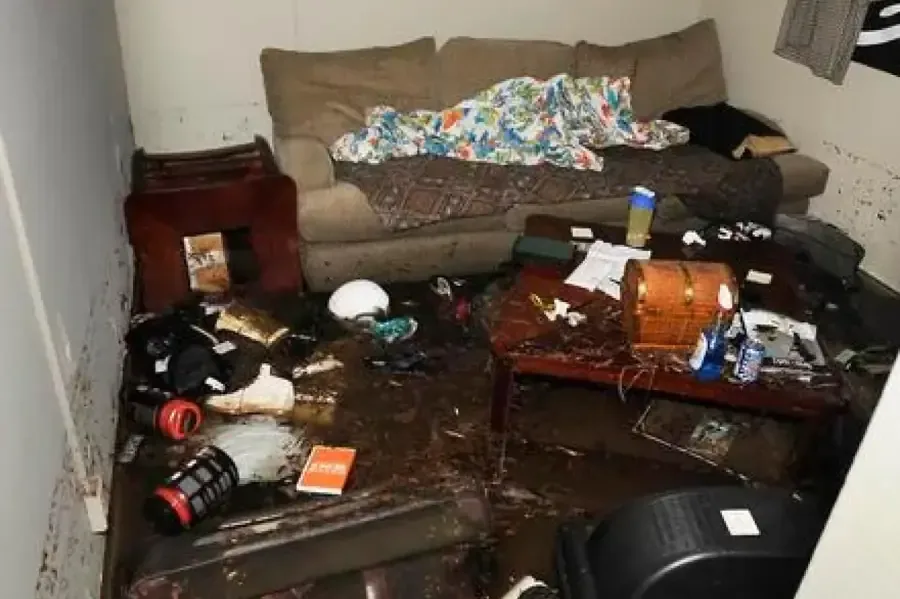 Flood Damage CleanupOutdoor water brings sediment and contamination decisions. Cleanup follows safe access, material assessment and controlled removal.
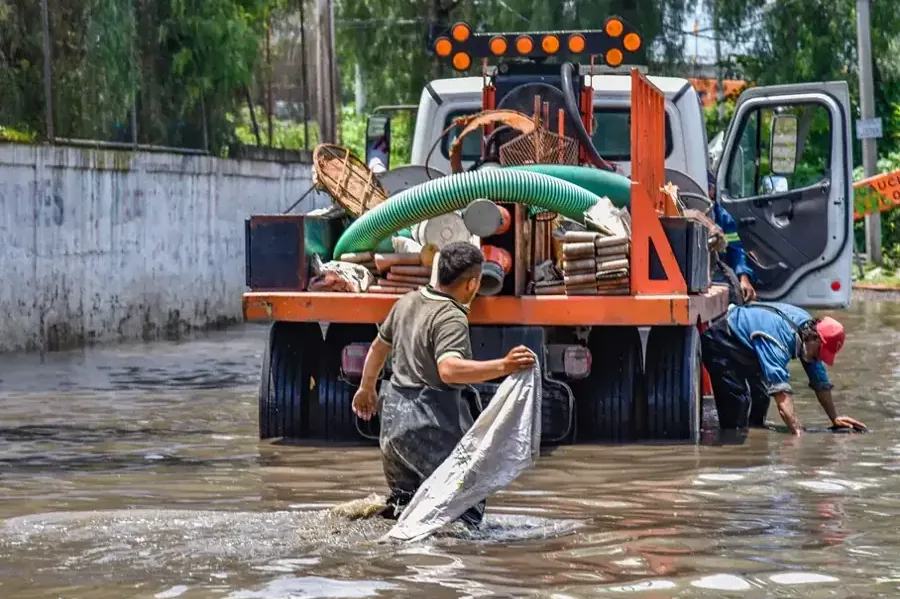 Storm Water DamageRain can enter through several openings. The assessment follows each path before planning indoor drying.
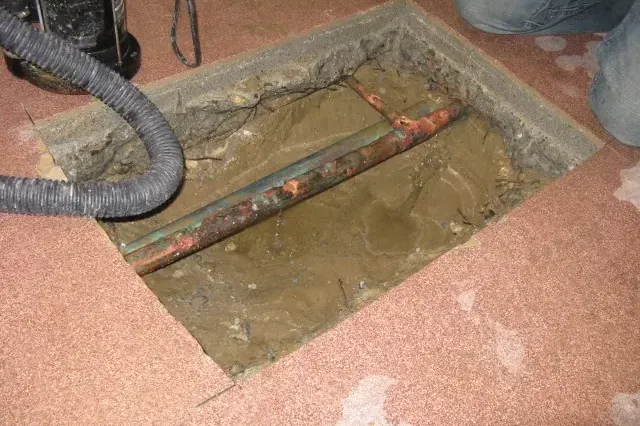 Slab Leak Water DamageDamp flooring over concrete needs source investigation and checks of the layers trapping moisture beneath the finish.
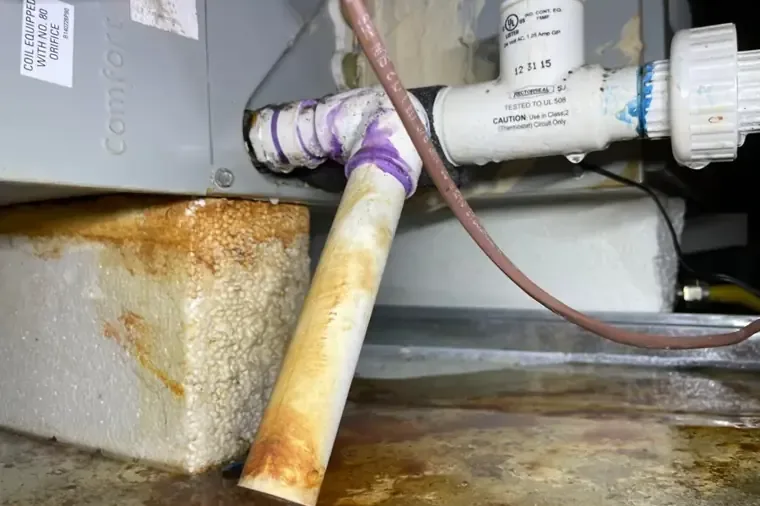 AC Condensate Leak CleanupCooling-system overflow can wet insulation and ceilings. HVAC source service coordinates with the building-material dry-out.
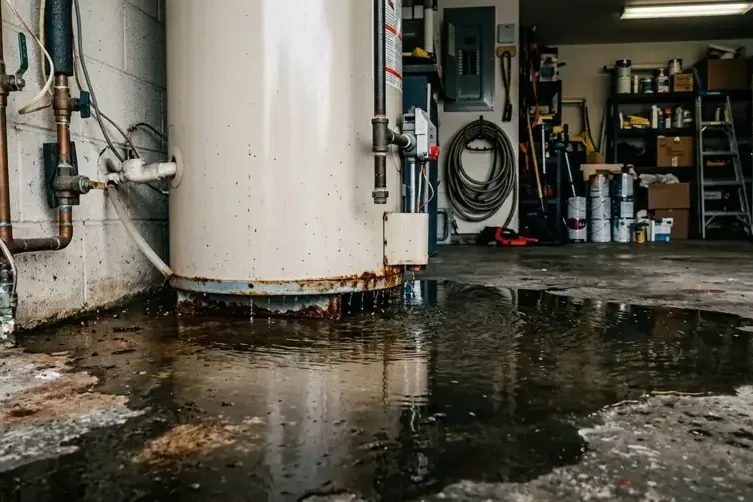 Water Heater Leak CleanupTank discharge can reach adjoining walls or lower rooms. Safe appliance isolation precedes water removal and moisture checks.
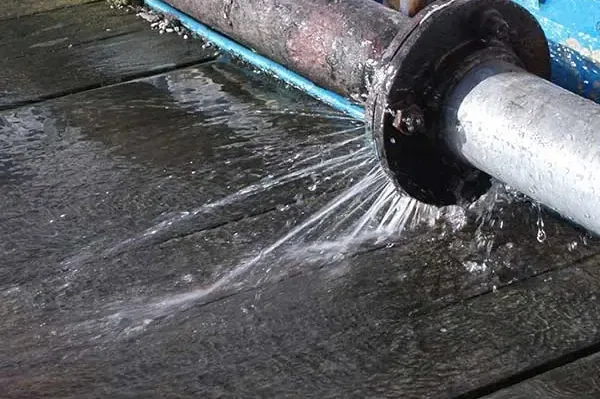 Burst Pipe CleanupA pressure-fed release needs a safe shutoff, followed by extraction along the full route of escaped water.
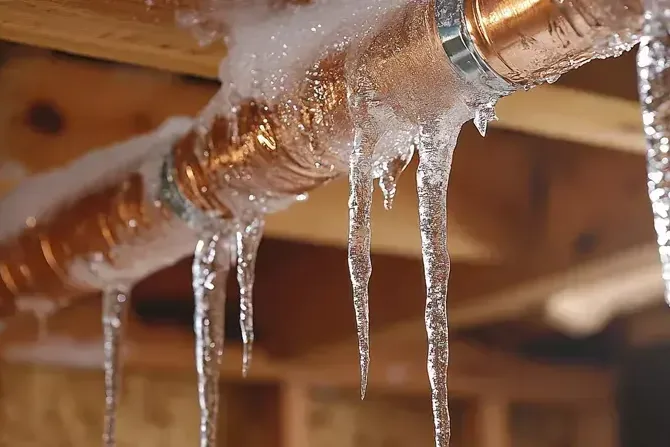 Frozen Pipe Water DamageThawing can reveal a damaged pipe. The crew evaluates wet insulation, cavities and floors after source control.
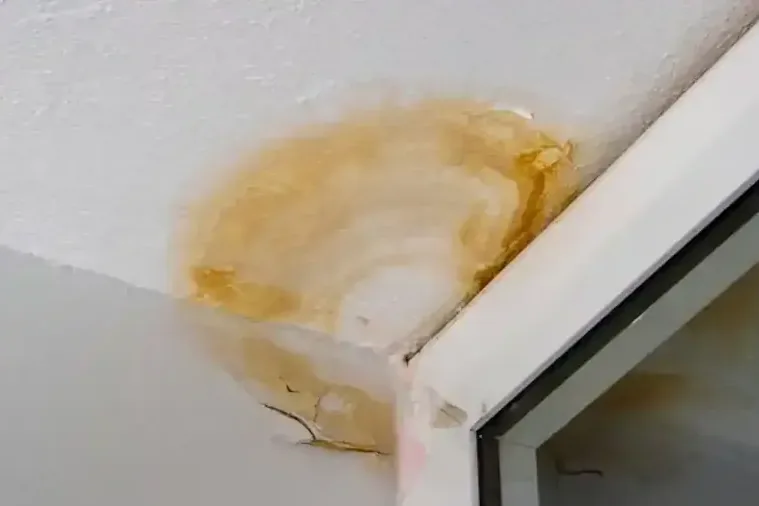 Ceiling Leak Water DamageOverhead stains can conceal saturated insulation. Stability and electrical checks shape the safe access plan.
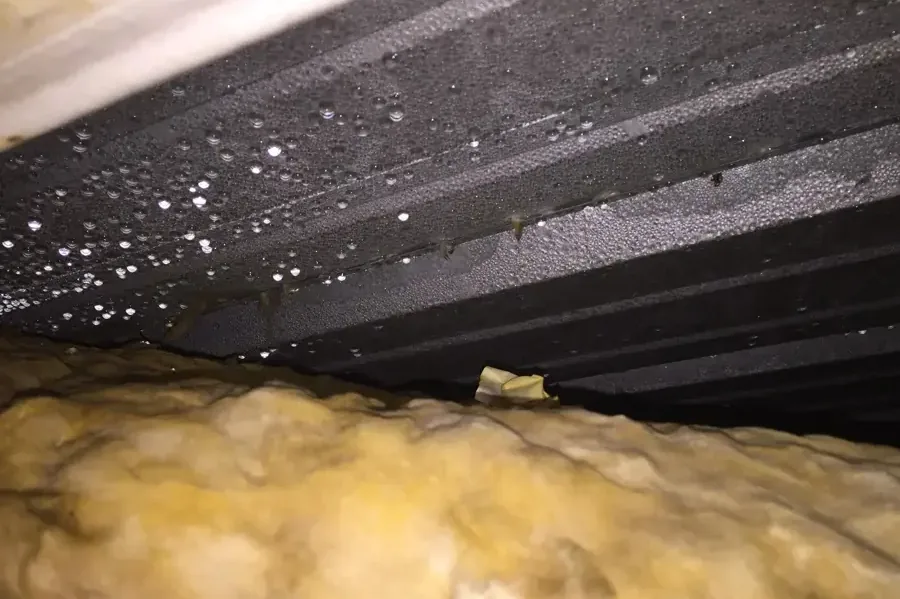 Roof Leak Water DamageRain may cross attic framing before reaching a room. Interior mitigation coordinates with the roof-entry repair.
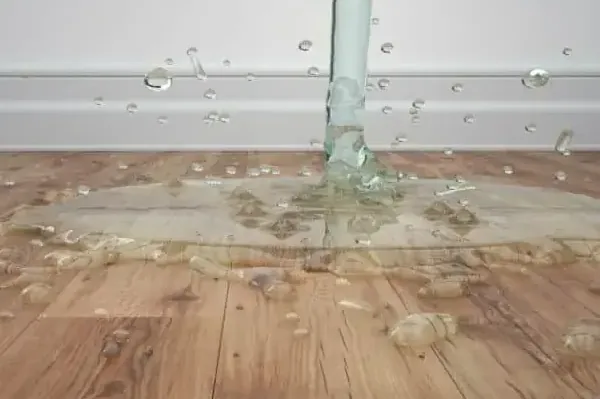 Appliance Leak Water DamageWater can hide behind cabinet kicks and beneath equipment. The source determines contamination handling and floor access.
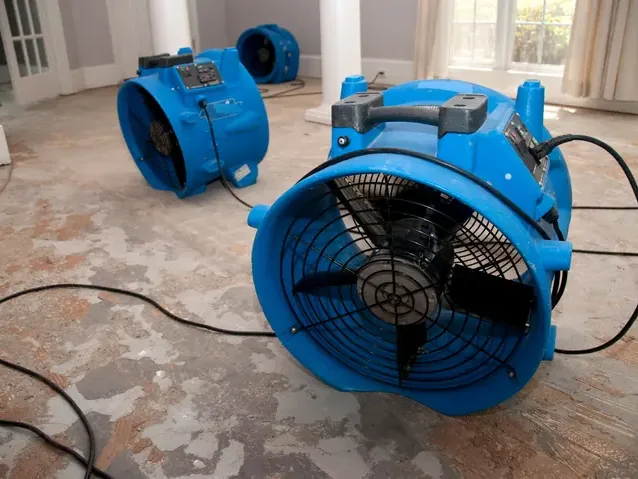 Structural DryingAir movement and dehumidification work together, with repeat readings showing when retained materials reach the drying goal.
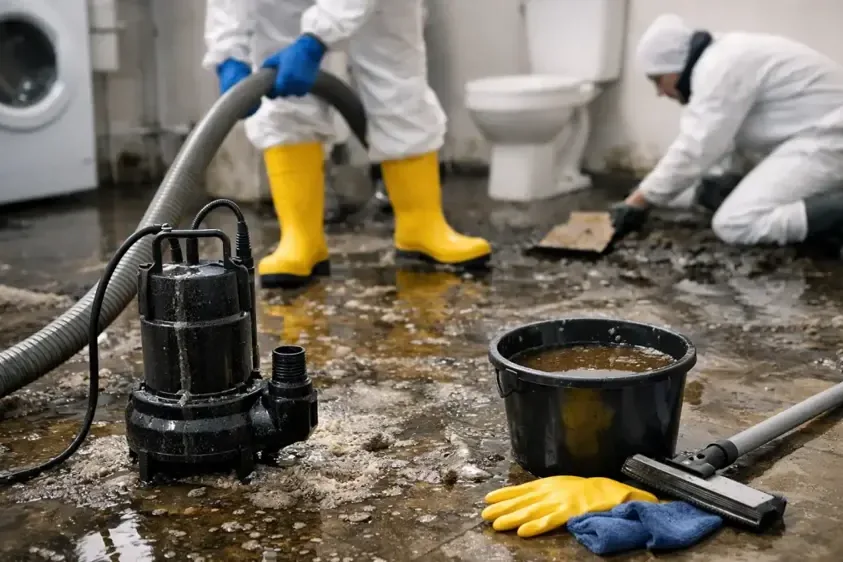 Sewage Backup CleanupCategory 3 cleanup needs controlled entry, affected porous-material removal and surface cleaning before structural drying.
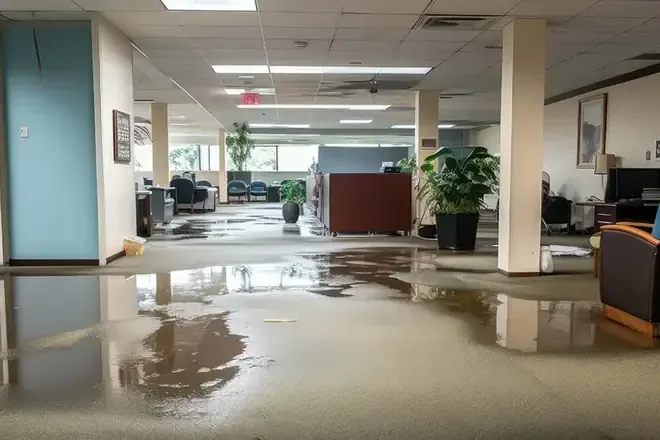 Commercial Water DamageBusiness losses require authorized access, defined work areas and documentation of wet rooms, materials and operating constraints.
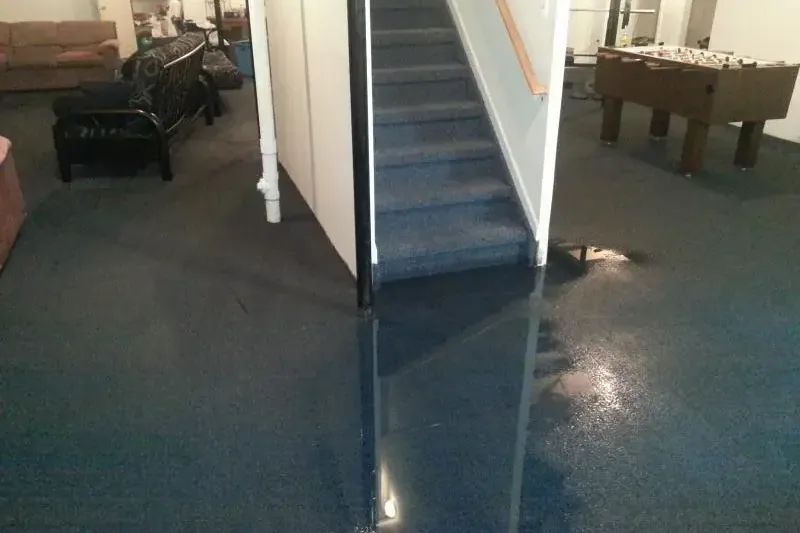 Basement Water RemovalLower-level water requires source and safety assessment before recovery, followed by checks behind finished walls and flooring.
How the restoration work takes shape
A useful restoration plan explains the water source, the wet assembly and the evidence needed to finish. Four practical priorities organize the assessment and drying work.
Rapid local response
The 24/7 assessment starts with active water and unsafe access. The response team identifies immediate controls before selecting extraction equipment or entering a damaged room.
IICRC S500 drying standard
The drying method considers water category, material class and suitable reference readings. Equipment supports a defined goal rather than a fixed calendar promise.
Claim-ready documentation
The contractor records original conditions, moisture maps, equipment changes and the itemized scope. Clear records describe the work without promising an insurance decision.
Local water experts
Property conditions matter across Bolton, Sunset and Cedaroak. The assessor checks each building instead of assigning one pipe material or floor layout to a neighborhood.
Water damage dried to the IICRC S500 standard
The dry-out begins after source and safety decisions. Moisture mapping, liquid recovery and environmental control work together so concealed layers receive attention alongside the visible surface.
- 1
Map the affected material
The technician records wet boundaries and dry references, including adjoining rooms where a continuous floor or cavity can carry water beyond the first visible patch.
- 2
Remove recoverable liquid
Extraction reduces the water available to soak into finishes. The crew matches pumps or floor tools to depth, material and contamination conditions.
- 3
Control the drying environment
Air movers assist evaporation while dehumidifiers remove vapor. Selective access helps sealed layers release moisture when surface airflow alone cannot reach them.
- 4
Compare and document progress
Repeated readings show whether the assembly improves. The contractor adjusts equipment and records completion before retained materials disappear behind replacement finishes.
All water damage categories covered in West Linn, OR
Category 1: sanitary source
A fresh supply release may begin as clean water, but time and contact can change conditions. The assessor verifies the source before choosing material handling.
Explore pipe-loss cleanupCategory 2: used water
Appliance discharge can carry contaminants and requires a different assessment from a fresh supply spill. The cleanup team assesses contamination and material condition before deciding what can remain.
Assess appliance dischargeCategory 3: contaminated water
Sewage and outdoor floodwater need controlled handling. Affected porous materials generally require removal, followed by cleaning of retained surfaces and measured structural drying.
Understand sewage controlsWhat does water damage restoration cost in West Linn, OR?
A contained water loss often requires about $1,000 to $5,500 for mitigation. Larger or contaminated losses can exceed $10,000. The contractor establishes the actual scope from affected area, materials, access and water category.
Contained room
- Limited extraction area
- Accessible wet materials
- Targeted equipment setup
Several affected assemblies
- Floor and wall moisture
- Selective cavity access
- Repeated drying checks
Extensive or contaminated loss
- More removal and disposal
- Larger drying environment
- Complex safe-access controls
Delay, contamination and closed layers can add work beyond the visible puddle. The cost calculator compares planning factors; a written assessment establishes the actual agreement.
Documentation for your insurance claim
The restoration contractor documents observed conditions and the work performed. A useful file separates the source, material decisions and drying progress so an insurer can review the event under the policy.
- Timestamped photos before material removal or access openings
- An initial moisture map showing affected rooms and layers
- Daily material readings and psychrometric drying records
- The assessed water category and material class
- An itemized scope distinguishing mitigation from separate repairs
The policy determines coverage
A sudden pipe discharge and outdoor floodwater can fall under different coverage terms. The city preparedness information distinguishes flood insurance from standard homeowners coverage.
The property owner reviews limits, exclusions and required records with the insurer. A drying log supports that review while the insurer determines payment for the proposed work.
What a water damage dry-out looks like in West Linn
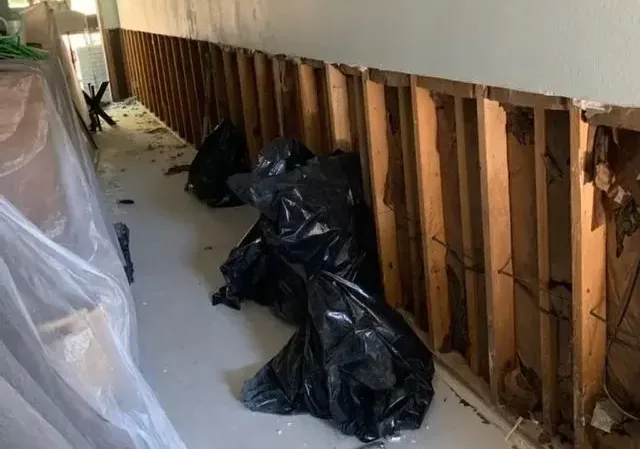
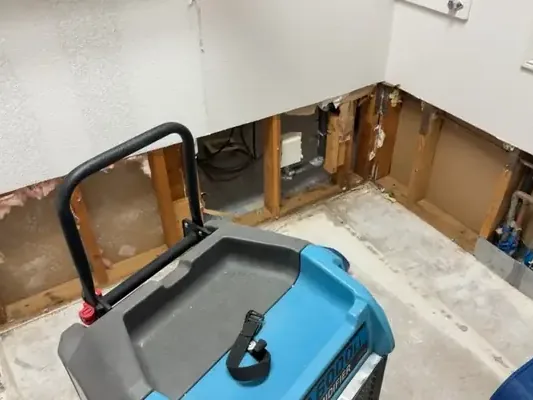
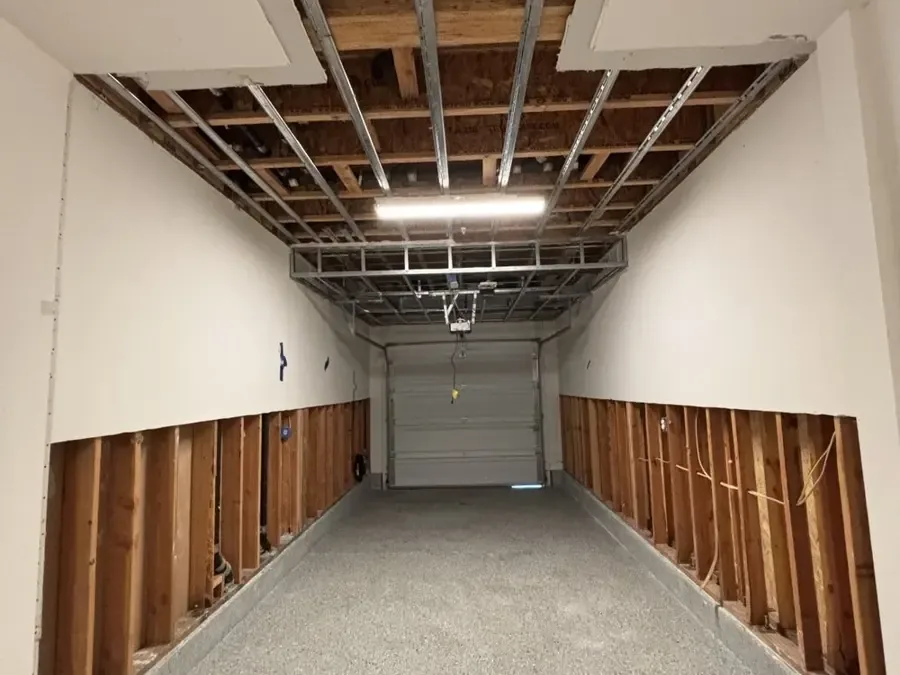
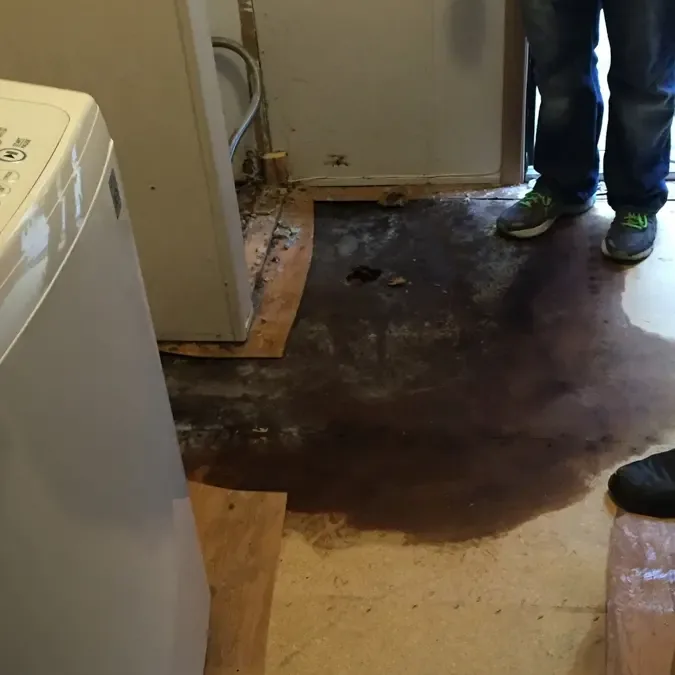
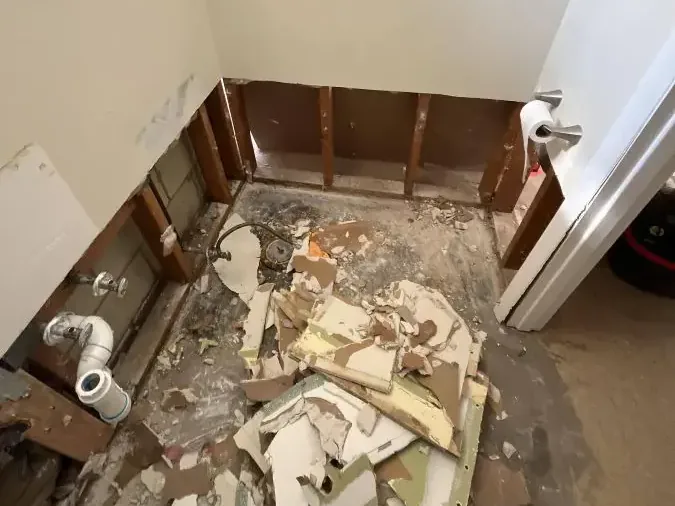
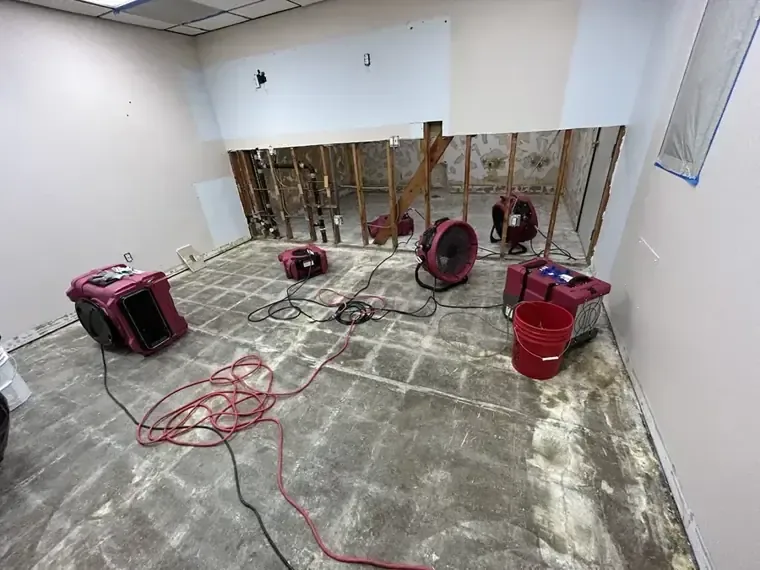
One call reaches West Linn water damage pros, 24/7
The response team asks where water entered, which building levels are affected and whether safe access is available. A concise description helps establish the next assessment step.
Standing water, a damp wall base and sewage each need different controls. The caller can describe visible symptoms without entering a hazardous space to take measurements.
Water damage conditions in West Linn, OR
The city lies between the Willamette River and Tualatin River. At an affected home, the assessment traces water from its entry point through the wet walls and floors.
River setting
The Willamette River and Tualatin River border the city. Cleanup starts by distinguishing water entering from outside from a release at a fixture or supply pipe.
Earlier city areas
Bolton, Sunset and Willamette Heights formed part of the city at incorporation. For a leak in one of these areas, the plumber identifies the damaged pipe while the drying crew checks the surrounding walls and floors.
Later neighborhood growth
Cedaroak, Marylhurst and Hidden Springs entered through later annexation. The assessor checks each building assembly instead of assuming identical floor plans or foundation types.
Natural wet areas
Camassia Natural Area includes wet meadows, ponds and vernal pools on a rocky plateau. At a home with outdoor water entry, the inspection follows the flow across thresholds and along the base of exterior walls.
Concealed indoor moisture
A pressure leak or appliance release can spread without outdoor flooding. Floor-edge and cavity readings identify retained water that a surface inspection can miss.
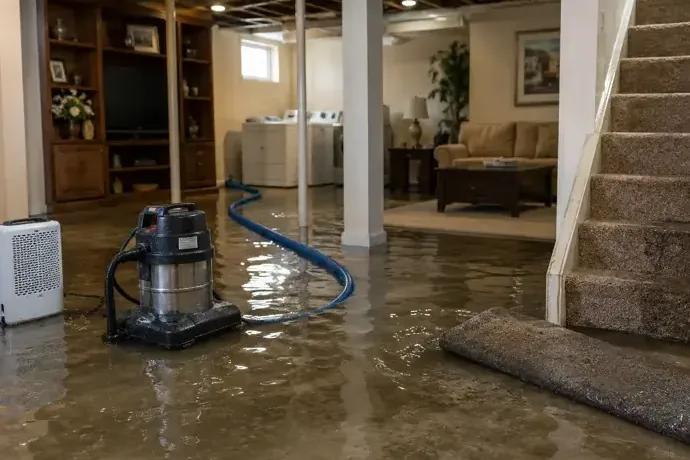
Rainfall and property conditions
City preparedness information identifies rainfall, topography and development among flood-risk factors. A property assessment checks the actual entry route rather than relying only on past experience.
West Linn neighborhoods and nearby coverage
Neighborhoods served
- Bolton
- Sunset
- Willamette Heights
- Cedaroak
- Marylhurst
- Hidden Springs
- Tanner Basin
- Tannler
ZIP coverage
- 97068
West Linn water damage questions
01What should happen before water removal?
The response team checks safe access, source control and water category. Occupants should avoid electrical hazards, sewage and unstable ceilings. A safe description of the loss helps establish the next step without requiring entry into damaged rooms.
02Does the restoration scope include the source repair?
A pipe, appliance or roof repair may require a separate trade. The written agreement should distinguish that source work from extraction, material removal and drying so the owner can coordinate the sequence and review each charge.
03How does the drying team know when to stop?
Technicians compare affected materials with suitable references and track repeated readings. Equipment removal follows the documented drying goal. Concealed layers need moisture checks before the wall or floor is closed.
04Why can a small leak require a larger drying area?
Water can travel beneath a continuous floor, along framing or through a wall cavity before it becomes visible. The moisture map follows that route into adjoining spaces and records materials that a puddle alone does not reveal.
05Can carpet or drywall always dry in place?
Material condition, contamination and access determine the decision. Some sound materials can remain with effective drying access. Sewage-affected porous materials generally require removal, and damaged finishes may need replacement even after moisture leaves them.
06What does an insurance file usually contain?
The contractor can supply photographs, moisture maps, equipment records and an itemized scope. Source details help explain the event. The insurer decides coverage according to the policy, so complete documentation supports the insurer's assessment of the event and proposed work.
07Does a nearby river establish the cause of water indoors?
No. The source must be investigated at the property. Rain entry, a pressure pipe and an appliance discharge can produce similar surface symptoms. Parcel flood status requires official mapping; cleanup decisions follow the water found inside the building.
08Is a planning-tool result a job price?
The tools compare common factors such as wet area, materials and contamination. Their results are estimates only. A property assessment reveals access needs, hidden layers and source conditions that can change the written scope.
09What information helps an urgent request?
The caller describes active water, affected rooms or levels and any unsafe electrical or overhead conditions. The restoration team can then plan assessment needs. Nobody should enter contaminated water or a damaged attic to provide more precise details.
A stopped leak can still leave wet walls and floors
The restoration assessment follows moisture into the materials, then sets out the extraction and drying work that the building actually needs.