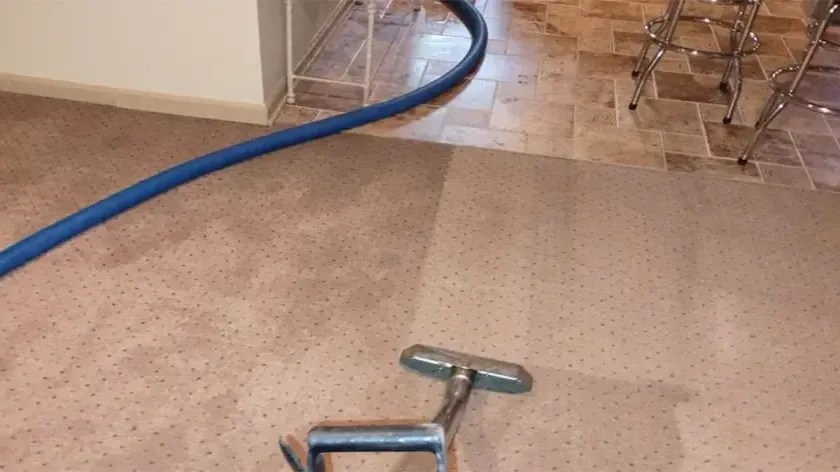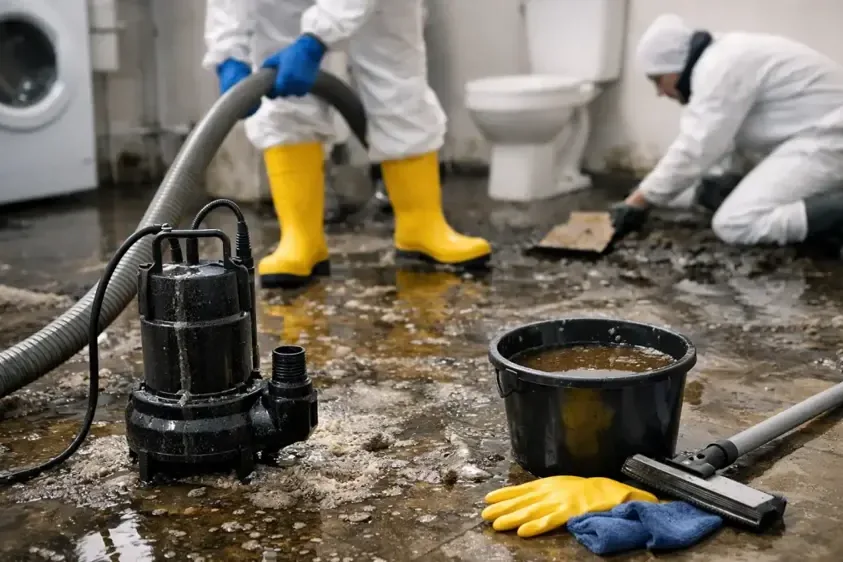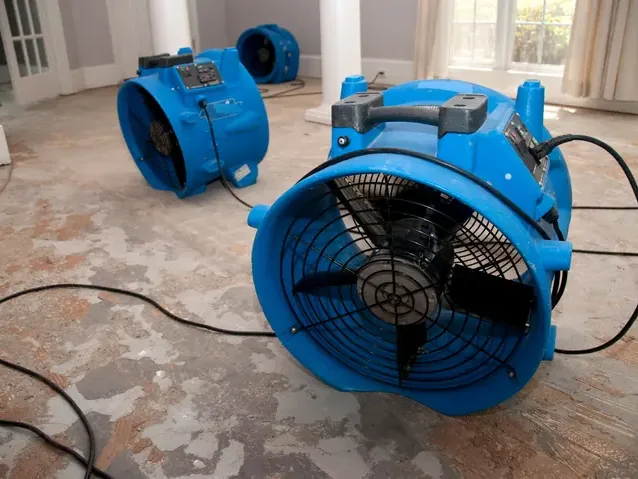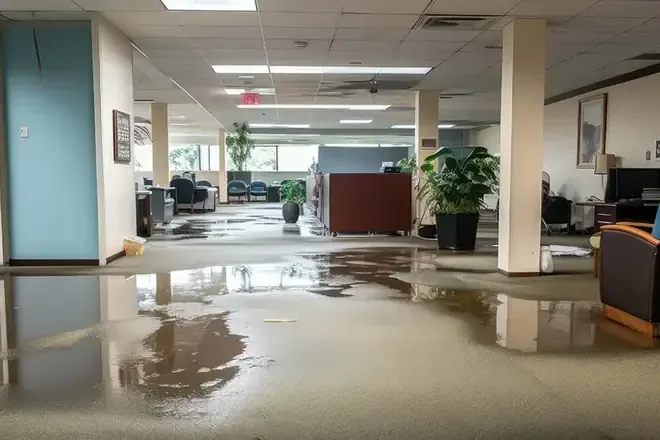
A business water loss creates several decisions before equipment arrives. Occupancy, electrical safety, contaminated water and access for removal can each change the work boundary. The property representative identifies who can authorize work and which areas have immediate restrictions. The contractor then documents the affected building materials and a practical mitigation sequence.
A scope based on the actual property
Bolton, Sunset and Tanner Basin are coverage areas within West Linn, not a list of past commercial customers. The assessment records the specific property layout, source and affected levels. A wet office partition, stock area and public corridor each present different access and material concerns, even when one release caused all three.
- The property representative identifies occupancy and access restrictions before work starts.
- The crew marks wet boundaries and protects clean routes through the building.
- Contents and building materials receive separate documentation and recovery decisions.
- Equipment placement considers safe movement, power availability and the drying objective.
Containment and continuity require coordination
The mitigation team cannot promise that a business remains open during every loss. Contamination, unstable finishes or electrical hazards may make portions unusable. The property operator and appropriate authorities determine occupancy conditions. The contractor explains the work zone, noise, equipment and access needs so those decisions use the actual scope.
In shared buildings, water may cross tenant boundaries or descend to another level. The assessor documents visible migration and coordinates access with authorized representatives. Closing one suite without checking the adjacent assembly can leave hidden saturation unresolved. A clear room-by-room record helps separate responsibility questions from immediate water-control work.
Drying records support the next operational decision
The drying technician measures retained materials and ambient conditions, adjusts equipment and records progress at repeatable locations. Different finishes may release moisture at different rates. The completion record identifies which areas reached their goal and which repairs, access limitations or contents decisions remain outstanding.
The extraction service addresses pooled water. Sewage backup cleanup adds contamination controls when the source requires them. A commercial scope should distinguish those tasks from reconstruction, equipment repair and the operator's occupancy decision.