A storm can wet a building through several paths at once. Rain entering high on a wall may travel along framing before appearing over a window, while runoff can enter at a low threshold. The mitigation assessment traces each route and distinguishes water exposure from the repair needed to stop it.
Rainfall and the property setting
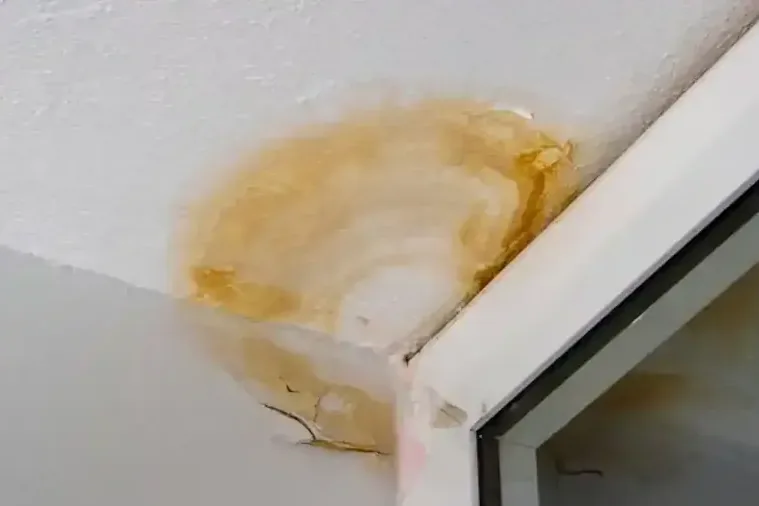
West Linn's flood preparedness information identifies rainfall, topography and changes from development as risk factors. That supports a property-specific inspection instead of a single explanation for every storm loss. A Bolton home with a ceiling stain needs different source checks from a Sunset room that received water under an exterior door.
- Timing during rainfall helps separate weather entry from a continuing supply leak.
- Upper-wall marks can point toward a concealed route above the visible stain.
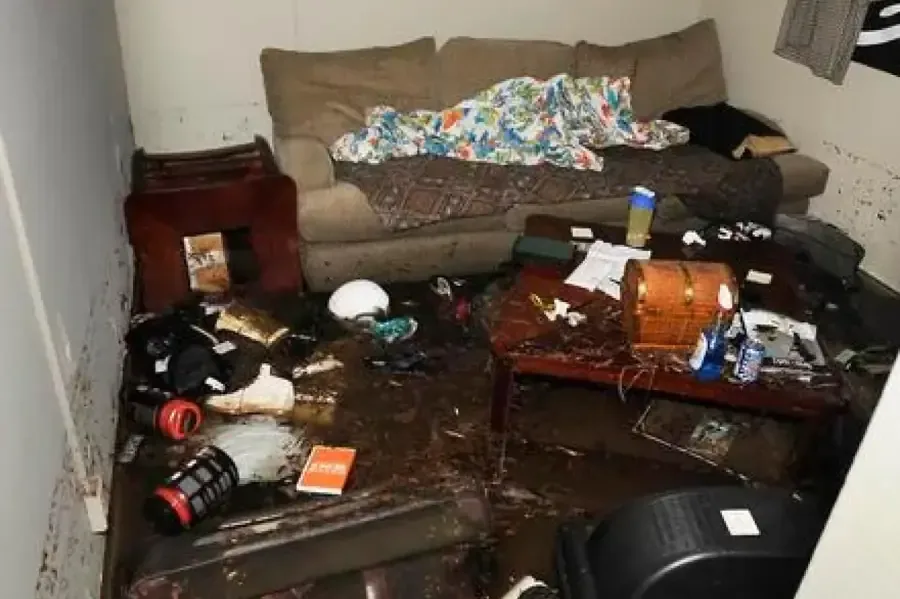
- Water crossing soil or pavement needs a contamination assessment before drying.
- Photographs of openings and deposits preserve evidence before temporary protection changes the scene.
Indoor drying depends on source control
The Tualatin River is part of the local water setting, but storm damage does not automatically involve river overflow. The contractor records whether the release came from above, across the ground or through a building defect. Roof and exterior repairs may require another trade; the mitigation crew focuses on affected interior materials and safe water removal.
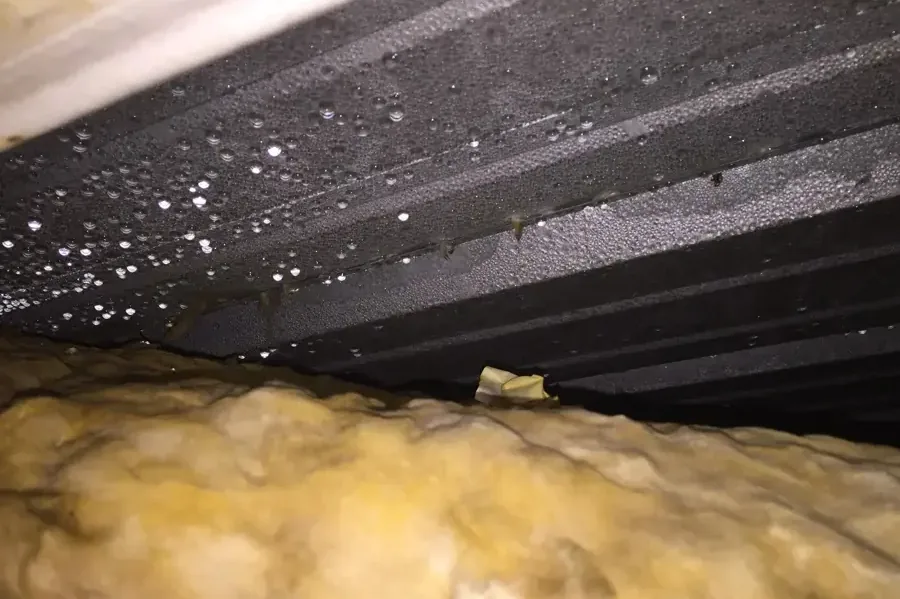
Drying equipment cannot compensate for repeated rain entry. A temporary protection plan and indoor drying plan need to work together. The assessor also considers insulation, wall cavities and floor edges below the first stain, since gravity can carry water well beyond the visible opening.
Checking for moisture after the weather clears
A bright afternoon can dry the surface while the assembly stays damp. The drying technician returns to marked locations and compares readings against suitable dry references. Air movement helps exposed surfaces release moisture; dehumidification removes that vapor from the room. The record shows whether deeper materials continue to lag.
For a high entry route, the roof leak page explains the interior assessment. Ground-level outdoor entry belongs with flood damage cleanup. The written scope should identify which pathway the evidence supports and which repairs remain outside mitigation.