The surface of a wet assembly can dry ahead of the material beneath it. Structural drying addresses that difference with repeatable readings and a controlled environment. The technician identifies what remains wet, how moisture can leave it and whether a sealed layer blocks the drying path. Equipment placement follows those findings.
Drying goals belong to materials
For a Hidden Springs property, a dry reference comes from a suitable unaffected material rather than a neighborhood average. The same approach applies in Marylhurst and Tanner Basin. These names establish coverage, not a shared construction specification. Wood, drywall and concrete each require a method appropriate to the material and the restoration decision.
- A moisture map records the locations that need repeated checks.
- Reference readings provide context for affected materials of a comparable type.
- Humidity and temperature readings show whether the room can carry moisture away.
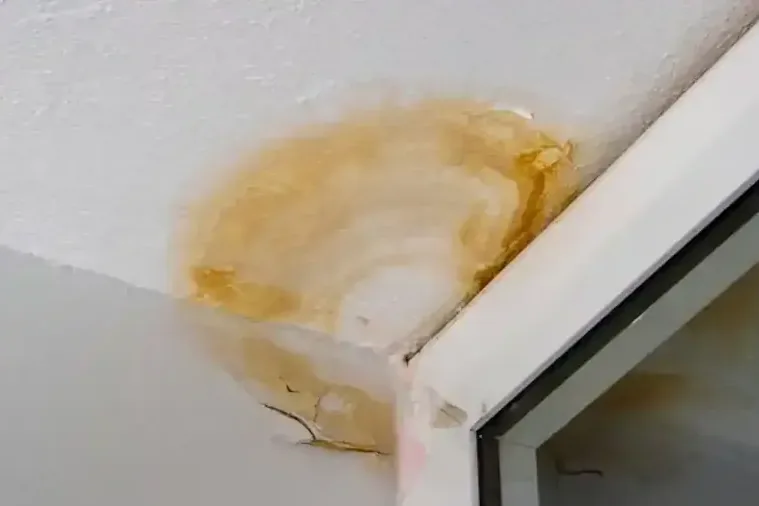
- Access notes explain cavities or layers that equipment cannot dry effectively while sealed.
Balancing air movement and dehumidification
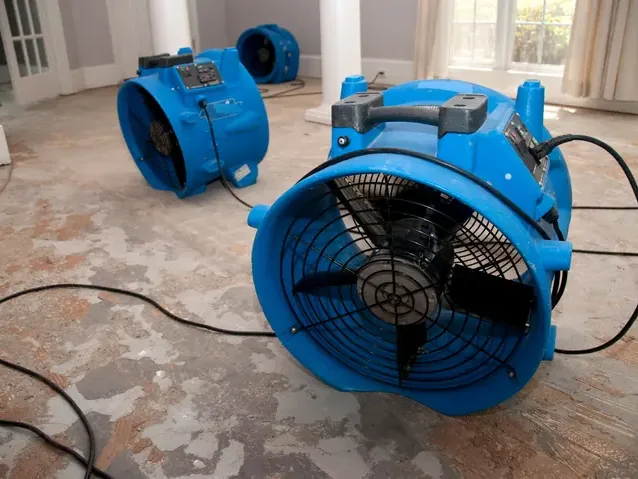
Air movers support evaporation at the wet surface. Dehumidifiers remove water vapor so the surrounding air continues to accept moisture. More fans without enough moisture removal can leave the room humid and the assembly slow to dry. The drying team adjusts the combination as wet area and evaporation load change.
LGR equipment commonly supports ordinary structural losses, while difficult dense materials may need a different drying approach. The technician evaluates readings before adding specialized equipment. An inaccessible cavity may need selective opening instead of another machine placed outside it. The written record should explain that distinction.
Verification before materials close
West Linn homeowners need completion evidence that describes the tested assembly. Readings at the wall base and subfloor show whether those slower-drying areas have reached their targets. The final visit compares documented locations, checks remaining limitations and records the equipment removal decision. Replacement finishes may carry additional installation requirements.
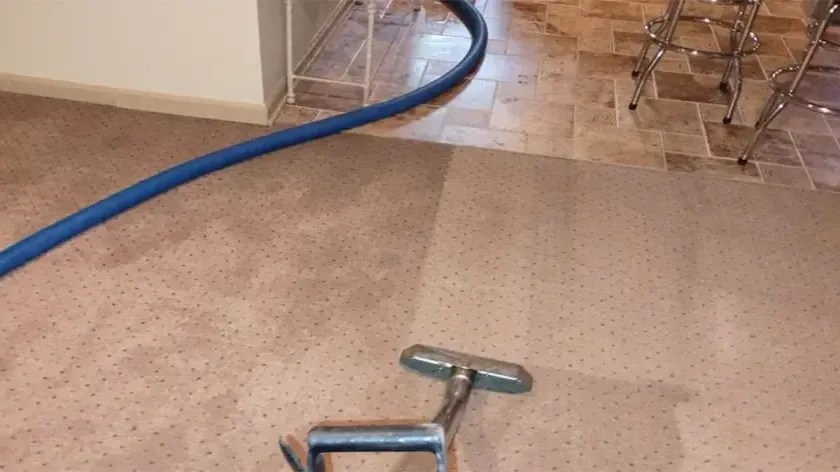
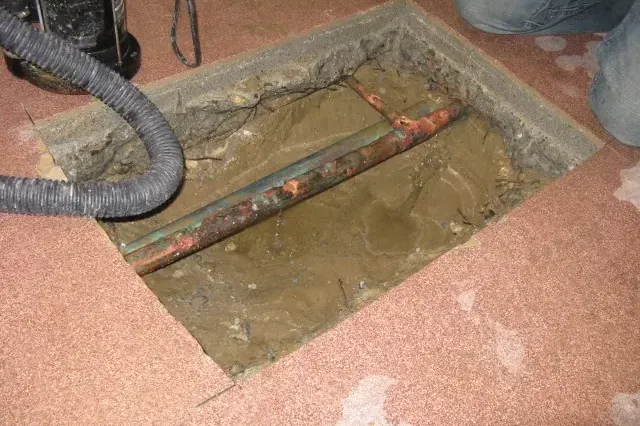
Water extraction reduces the initial liquid load, and slab leak mitigation addresses one source of trapped floor moisture. The drying scope ties those earlier steps to the condition of retained material, without treating a fixed number of days as proof of completion.