West Linn Water Damage RestorationWater extraction and structural drying
Leakage during freezing and thawing

Frozen Pipe Water Damage in West Linn, OR

Frozen pipe water damage in West Linn may appear as a split pipe thaws and flow returns. The mitigation crew checks escaped water, wet insulation and concealed cavities after safe source control, with 24/7 assessment.

(888) 373-8814Discuss leakage during thawing
  • 24/7 thaw-loss assessment
  • Concealed cavity checks
  • Drying after pipe isolation
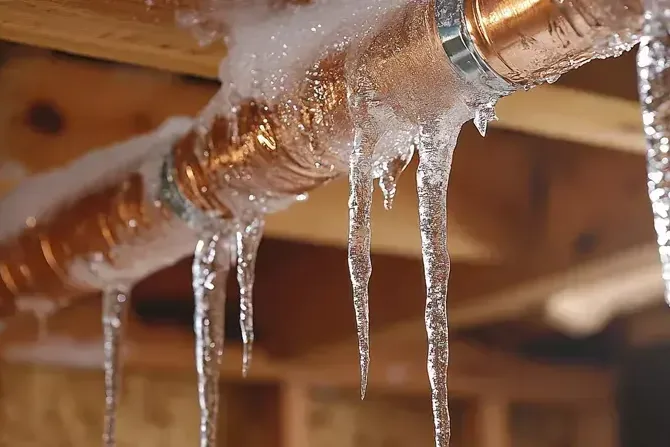
Icicles hanging from an exposed copper pipe inside a framed space
Critical changeFlow returning after thaw
Source workQualified pipe assessment
Concealed concernWet insulation and framing
Drying recordRepeatable moisture checks
First steps

What to do before frozen pipe water damage

The city identifies Barrington Heights, Hidden Creek Estates and Tanner Woods together in its neighborhood association information. For a freeze-related loss in these areas, the restoration technician records the affected pipe location and follows escaped water into adjacent wall or floor materials.

  1. Avoid improvised heating. Occupants should not use an open flame or uncontrolled heater to thaw a pipe. Qualified plumbing personnel assess safe thawing and possible damage to the system.
  2. Watch for returning leakage. The household reports new drips, spreading stains or pooled water when flow returns. Safe observations help the response team follow the release without opening the assembly prematurely.
  3. Isolate water if accessible. A reachable shutoff may limit escaped water when the route is dry and safe. Electrical or structural hazards take priority over an attempt to operate the valve.
  4. Keep the cavity accessible. The owner delays closing a repaired pipe opening until wet insulation and surrounding materials receive assessment. Source repair and cavity drying require separate completion decisions.

Frozen Pipe Water Damage assessment

Review thaw timing
The assessor records when flow changed and where leakage became visible, coordinating source findings with the plumbing trade before defining the moisture boundary.
Recover the released water
The extraction crew removes accessible liquid and checks the room below or beside the pipe route, documenting water migration across assembly joints.
Expose retained saturation
Wet insulation and sealed cavities receive material-specific evaluation. The contractor explains removal or access needs before setting equipment around the remaining structure.
Track the drying response
The drying technician measures temperature, humidity and material moisture, changing the setup when cold or restricted assemblies release water more slowly than exposed finishes.
How the work proceeds

How frozen pipe water damage is handled

  1. 1

    Review thaw timing

    The assessor records when flow changed and where leakage became visible, coordinating source findings with the plumbing trade before defining the moisture boundary.

  2. 2

    Recover the released water

    The extraction crew removes accessible liquid and checks the room below or beside the pipe route, documenting water migration across assembly joints.

  3. 3

    Expose retained saturation

    Wet insulation and sealed cavities receive material-specific evaluation. The contractor explains removal or access needs before setting equipment around the remaining structure.

  4. 4

    Track the drying response

    The drying technician measures temperature, humidity and material moisture, changing the setup when cold or restricted assemblies release water more slowly than exposed finishes.

Planning the work

What does frozen pipe water damage cost in West Linn, OR?

Frozen pipe water-damage mitigation often ranges from $1,200 to $7,000, excluding pipe repair. Delayed discovery, wet insulation and spread into lower rooms can increase the drying and selective-removal scope.

Localized thaw leak

$1,200 to $2,700
  • Limited liquid release
  • Accessible pipe cavity
  • Targeted moisture checks

Wall and insulation damage

$2,700 to $4,800
  • Selective material removal
  • Framing moisture monitoring
  • Controlled drying environment

Several affected rooms

$4,800 to $7,000+
  • Water across building levels
  • Multiple wet assemblies
  • Extended equipment needs

The scope reflects water category, affected area, material class and the delay before drying. Compare restoration cost factors.

A frozen pipe can conceal a split until water begins moving again. Reduced flow calls for a check of the supply route to locate a blockage or break. Plumbing personnel investigate the pipe condition, while the restoration technician follows water already released into the building. The two assessments answer different questions and need to coordinate.

Thaw-related moisture checks in Bolton

For a thaw-related loss in Cedaroak, the technician follows the damaged pipe toward the wet wall or floor. In Hidden Springs and Willamette Heights, the assessment likewise checks insulation and rooms below the observed release. At a damaged property, the assessor records the pipe location, the timing of returning flow and the wet materials. That evidence is more useful than assuming every home shares an exposed pipe route.

  • A thaw can reveal leakage that was not visible while the pipe remained frozen.
  • Water escaping behind insulation may appear far from the split.
  • Reduced flow can have causes other than freezing and needs diagnosis.
  • Photos taken before a cavity opens preserve the original damage pattern.

Wet insulation and framing in Sunset

Insulation can retain water against framing and conceal a much larger wet boundary than the room finish suggests. The mitigation crew checks the assembly before directing airflow at the visible stain. Saturated or unsuitable material may require removal so the retained structure can dry. The contractor explains access decisions and separates them from the plumbing repair.

A restored water supply also deserves observation. Another damaged section may begin leaking as pressure returns. The property owner should coordinate that source verification with qualified plumbing personnel rather than assuming one repair resolves every symptom. Drying equipment cannot keep pace with an undetected continuing release.

Drying a pipe-affected assembly in Cedaroak

After extraction, the drying team compares affected wood and wall materials with suitable dry references. Low room temperature, closed cavities and dense finishes can influence progress. The plan balances airflow, moisture removal and safe access, with documented adjustments when readings stop improving.

The burst pipe cleanup page describes pressure-fed water removal. The drying-time estimator offers planning context, but completion still depends on measured material conditions. The record should identify what was repaired, what was removed and what remains to be restored.
Service area

Frozen pipe water damage coverage

Water damage restoration covers ZIP 97068, including Bolton, Sunset, Cedaroak, Marylhurst, Hidden Springs and Tanner Basin. The response team checks access and affected building levels before setting up extraction and drying equipment. Nearby town coverage appears on the service-area page.

Neighborhood and town coverage
Questions

Frozen Pipe Water Damage questions

01Why can damage appear after temperatures rise?

Ice may temporarily limit flow through a damaged pipe. As thawing restores flow, water can escape through a split. A plumbing investigation identifies the failure while restoration personnel assess the materials already wet.

02Is every low-flow fixture a frozen pipe?

No. Reduced flow has several possible causes. The household should report when flow slowed, which fixtures changed and when leaking began. Qualified plumbing personnel determine the source and safe method of restoring flow.

03Can wet insulation stay in place?

The decision depends on material condition, contamination and whether the assembly can dry effectively. Insulation that holds water against framing may require removal. The contractor documents the reason before changing the cavity.

04Does the room need heat as well as dehumidification?

Temperature affects evaporation and equipment performance, but heat must fit a controlled drying plan. The technician evaluates room conditions and material response. Improvised heaters can create hazards and do not replace moisture measurements.

05What should a 24/7 thaw-damage inquiry include?

The caller notes when water returned, where leakage appeared and whether the supply is isolated. New ceiling stains, wet outlets or water below the pipe route are useful details for planning safe assessment.

06When is the wall ready to close?

The source must be addressed and retained materials must meet the documented drying goal. The contractor records final readings and any remaining limitations before the owner schedules insulation or finish replacement.

24/7 water restoration

Flow has returned and a stain is spreading

The 24/7 mitigation assessment checks hidden saturation and coordinates a safe drying plan after source control.

(888) 373-8814Wet rooms? Call