West Linn Water Damage RestorationWater extraction and structural drying
Water beneath household equipment

Appliance Leak Water Damage in West Linn, OR

Appliance leak water damage in West Linn often reaches under cabinets or floor coverings before discovery. The restoration team traces the release, evaluates water quality and dries affected layers after safe equipment isolation, 24/7.

(888) 373-8814Discuss water under an appliance
  • 24/7 appliance-loss assessment
  • Cabinet and floor-edge checks
  • Source-specific water handling
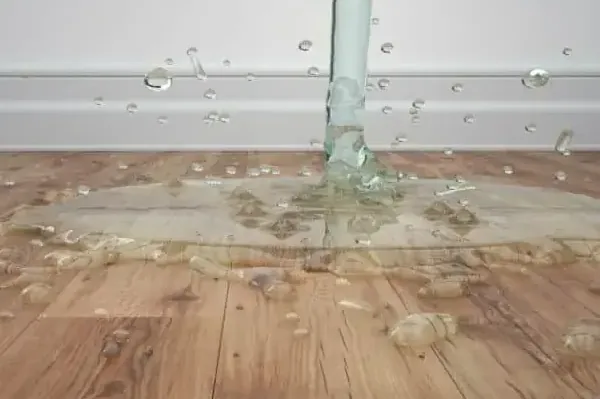
Water splashing onto a wood-pattern floor beneath a supply pipe
Source distinctionSupply or used discharge
Hidden routeCabinet and floor edges
Access concernSafe appliance movement
Drying evidenceLayer-by-layer readings
First steps

What to do before appliance leak water damage

  1. Stop using the equipment. The household stops the appliance cycle without touching wet controls or standing in water. Safe power and water isolation may require qualified assistance.
  2. Avoid pulling the appliance out. Occupants leave connected equipment in place until hoses, cords and floor stability are assessed. Moving it prematurely can enlarge the release or damage hidden connections.
  3. Note the release timing. A caller reports whether water appeared during filling, draining or idle time. Those observations help the appliance investigation distinguish supply leakage from used discharge.
  4. Check adjacent surfaces safely. Visible moisture at cabinet bases, doorways or the room below should be reported. The 24/7 assessment follows those clues into the concealed floor and wall assembly.

Appliance Leak Water Damage assessment

Identify supply or discharge water
The technician records the appliance symptom and contamination indicators, coordinating source diagnosis while mapping wet cabinetry, flooring and surrounding wall bases.
Create safe inspection access
The contractor coordinates appliance movement or panel removal with qualified personnel, photographing newly exposed material and protecting connected services from further damage.
Recover and dry trapped water
Extraction addresses accessible liquid, while selective openings and controlled equipment target moisture beneath finishes or inside cabinet and wall assemblies.
Verify the concealed zone
The drying team revisits the appliance footprint and adjoining materials, documenting the final condition before equipment returns or replacement finishes cover the area.
How the work proceeds

How appliance leak water damage is handled

  1. 1

    Identify supply or discharge water

    The technician records the appliance symptom and contamination indicators, coordinating source diagnosis while mapping wet cabinetry, flooring and surrounding wall bases.

  2. 2

    Create safe inspection access

    The contractor coordinates appliance movement or panel removal with qualified personnel, photographing newly exposed material and protecting connected services from further damage.

  3. 3

    Recover and dry trapped water

    Extraction addresses accessible liquid, while selective openings and controlled equipment target moisture beneath finishes or inside cabinet and wall assemblies.

  4. 4

    Verify the concealed zone

    The drying team revisits the appliance footprint and adjoining materials, documenting the final condition before equipment returns or replacement finishes cover the area.

Planning the work

What does appliance leak water damage cost in West Linn, OR?

Appliance leak mitigation often ranges from $700 to $4,500, excluding appliance service and replacement finishes. Cabinet access, discharge contamination and water trapped beneath flooring can increase a seemingly small loss.

Accessible small spill

$700 to $1,500
  • Limited floor exposure
  • Early source isolation
  • Minimal cabinet access

Water beneath cabinetry

$1,500 to $3,000
  • Toe-kick or panel access
  • Underlayment assessment
  • Targeted equipment placement

Floor and room spread

$3,000 to $4,500+
  • Several wet materials
  • Discharge-water controls
  • More extensive drying checks

The scope reflects water category, affected area, material class and the delay before drying. Compare restoration cost factors.

A dishwasher, washing machine or refrigerator connection can release water into a space that is difficult to see. The visible puddle may appear in front of the appliance only after water has spread underneath it. The assessor distinguishes a clean supply release from used discharge and checks the materials hidden behind the cabinet edge.

The water source changes material decisions

A Tanner Basin appliance loss needs its own source description. The same household equipment can leak from an inlet connection, an internal component or a discharge path. For an appliance leak in Bolton or Sunset, inspection starts at the connections and follows moisture beneath the machine. The restoration crew records the actual source and condition.

  • Supply leakage differs from water carrying food residue or laundry contaminants.
  • A cabinet toe kick can conceal the first wet section of a floor.
  • Floating flooring may carry liquid beyond the appliance footprint.
  • A lower room can show damage from an upper-level laundry release.

Access without creating another loss

Occupants should avoid pulling a connected appliance across a wet floor. Hoses, cords and rigid connections may be strained, and damaged flooring can shift. Qualified personnel coordinate isolation and movement when access is needed. The mitigation contractor records the hidden condition once the appliance or cabinet panel no longer blocks inspection.

Cabinet materials need careful evaluation. A sound exposed surface may dry differently from swollen composite material or trapped underlayment. The contractor explains which parts can remain and which need removal. The goal is an accessible drying path supported by evidence, not indiscriminate dismantling of the kitchen or laundry area.

Drying underneath the finish

West Linn appliance mitigation follows the moisture boundary into adjoining walls and rooms. Extraction removes accessible liquid, then controlled airflow and dehumidification address retained moisture. The space behind the appliance can stay wet after its front edge dries. Repeat checks should include that concealed zone.

The water heater page addresses tank discharge separately. The cost calculator compares affected area and materials for planning. A final scope separates appliance service, cabinet access, drying and finish replacement so each decision remains clear.
Service area

Appliance leak water damage coverage

Water damage restoration covers ZIP 97068, including Bolton, Sunset, Cedaroak, Marylhurst, Hidden Springs and Tanner Basin. The response team checks access and affected building levels before setting up extraction and drying equipment. Nearby town coverage appears on the service-area page.

Neighborhood and town coverage
Questions

Appliance Leak Water Damage questions

01Is dishwasher leakage always clean water?

No. Water quality depends on the source and stage of the cycle. Used discharge can carry contaminants. The assessor identifies the release rather than treating all appliance water as a clean supply loss.

02Can a household fan dry beneath cabinets?

A fan aimed at the front may not reach trapped moisture behind the toe kick or beneath flooring. The drying technician evaluates access and material readings before selecting airflow and dehumidification.

03Should the appliance be moved immediately?

Connected equipment can strain hoses, wiring or fittings when moved. Qualified personnel should assess isolation and access. The mitigation crew coordinates movement so it reveals the wet area without causing another release.

04Can swollen cabinet material return to normal?

Some materials suffer permanent dimensional or bond damage even after moisture leaves. The contractor evaluates condition separately from drying. A dry reading does not automatically mean the original finish or cabinet component remains suitable.

05What matters in a 24/7 appliance-loss call?

The household describes the appliance, cycle timing, visible water and rooms below or beside it. Electrical concerns and inaccessible shutoffs should be mentioned before anyone attempts to move the equipment.

06Does cleanup include appliance repair?

Appliance diagnosis and repair may be a separate service. The written mitigation scope should identify extraction, access, material decisions and drying so the owner can coordinate those tasks with equipment service.

24/7 water restoration

The spill is gone but the cabinet base is damp

A 24/7 restoration assessment checks the appliance footprint and adjoining materials before finishes close the area.

(888) 373-8814Wet rooms? Call