Water Damage Restoration in Canby
A puddle beside a cabinet can hide a much larger wet area beneath the floor. Canby property owners need the source stopped, affected materials checked, and a drying plan that follows the water.
(888) 373-8814Discuss the wet rooms- Source control first
- Material moisture checks
- Documented cleanup scope
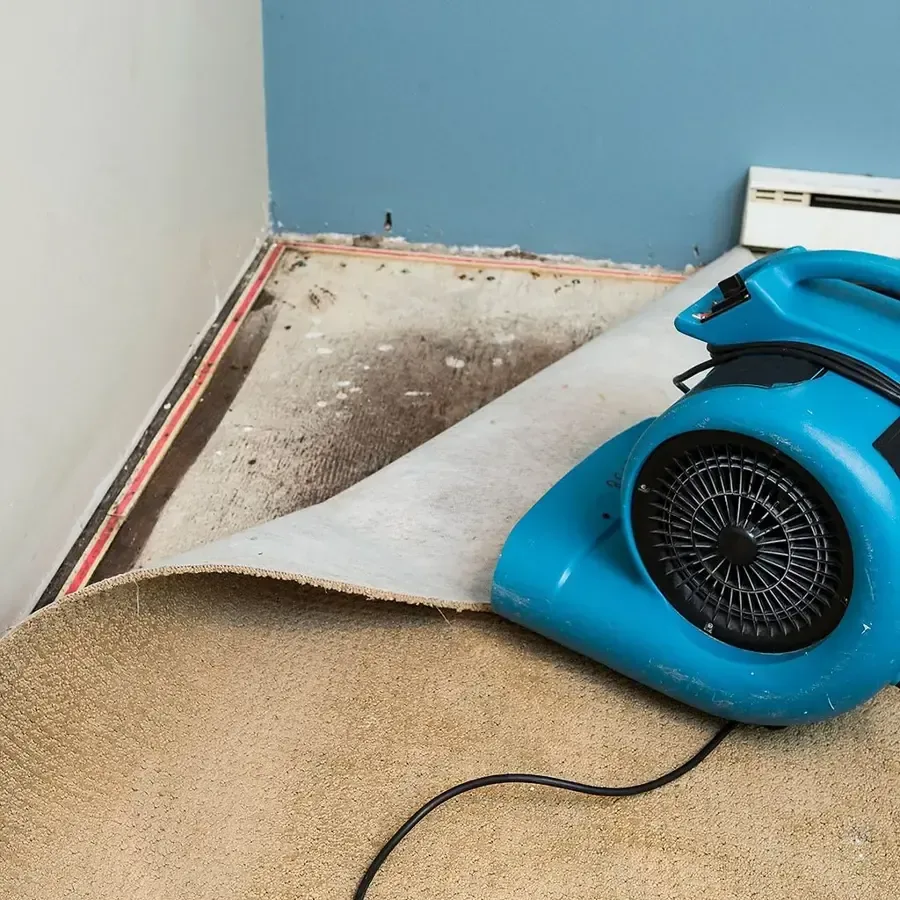
Visible water removal starts the recovery; readings inside affected assemblies help establish what still needs attention before repairs begin.
Small decisions can limit additional damage
- Avoid unsafe rooms. Standing water beside outlets, damaged ceilings or sewage requires separation from the affected space before anyone attempts to retrieve belongings.
- Identify the source. A visible pipe valve may help isolate a leak when safely reachable; unexplained water needs investigation before equipment starts running.
- Record the first signs. Photos of the initial water edge, damaged items and suspected entry point create a useful record before moving or discarding materials.
- Notify the responsible person. Renters should contact the property manager promptly so entry, plumbing repair and decisions about building materials can be coordinated together.
- Keep access available. An unobstructed dry route helps equipment reach the affected room without carrying water or debris through areas that remain usable.
Choose the cleanup that fits the damage
The starting point changes with the source. A supply pipe release, muddy outdoor entry and backed up drain each require a different cleanup approach.
 Water ExtractionRemove standing water from accessible floors, then check adjoining surfaces for moisture that has travelled beneath finishes.
 Flood Damage CleanupAddress mud, soaked belongings and affected building materials after outdoor water crosses a doorway or another opening.
 Storm Water DamageTrace rain entry through the building while separating interior drying needs from problems with public storm drainage.
 Slab Leak Water DamageCoordinate concealed pipe repair with removal of moisture trapped against concrete, beneath flooring and around affected walls.
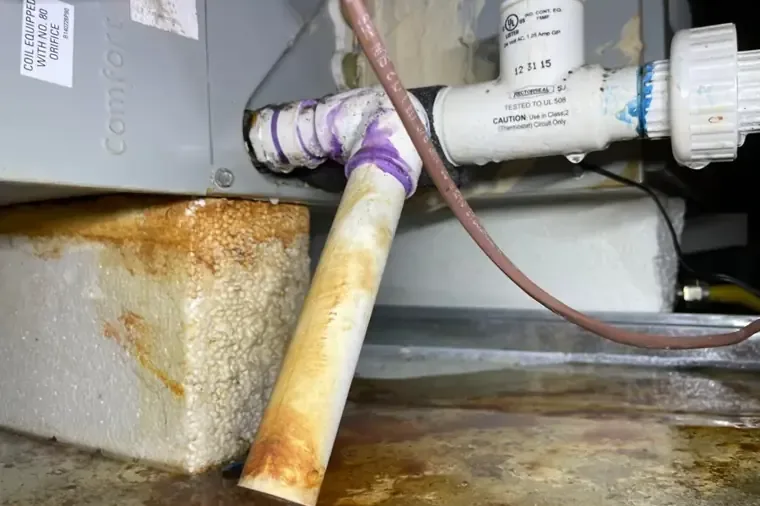 AC Condensate Leak CleanupCheck the area beneath cooling equipment when a drain obstruction or pan overflow wets nearby building materials.
 Water Heater Leak CleanupRecover a tank release and inspect adjacent storage, floor edges and wall bases before replacing damaged finishes.
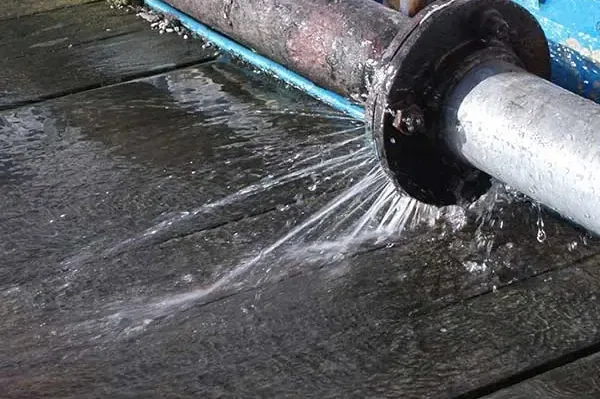 Burst Pipe CleanupFollow a pressurized release through cavities and rooms after the damaged pipe has been safely isolated from supply.
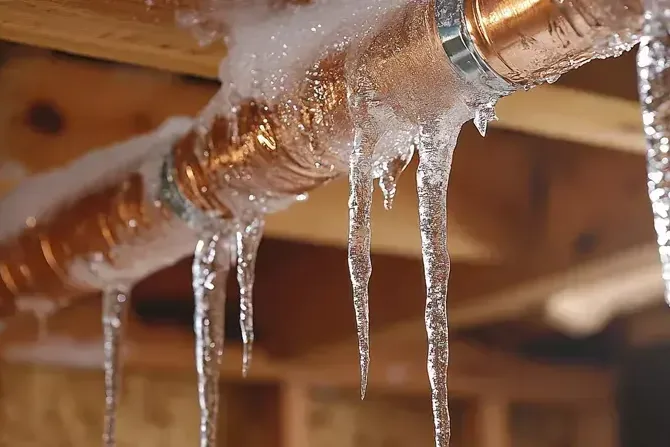 Frozen Pipe Water DamageRespond to water escaping during thawing, including damp insulation and concealed surfaces around the affected pipe section.
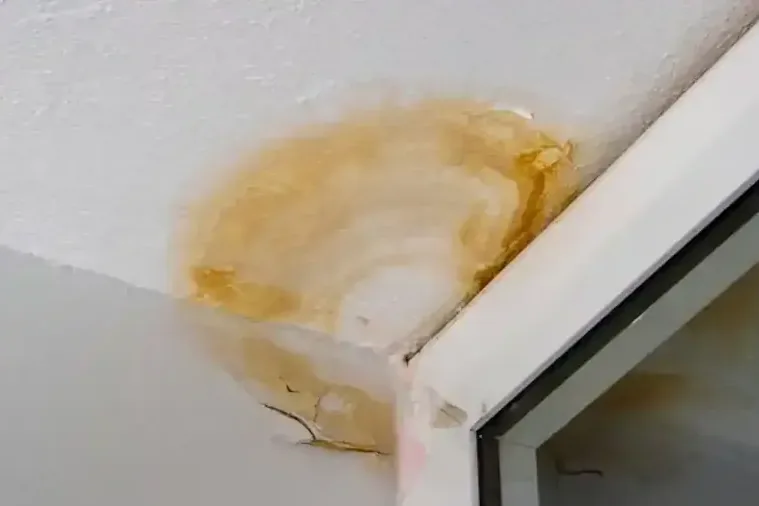 Ceiling Leak Water DamageAssess stained or sagging overhead materials and the cavity above before opening, drying or closing the ceiling.
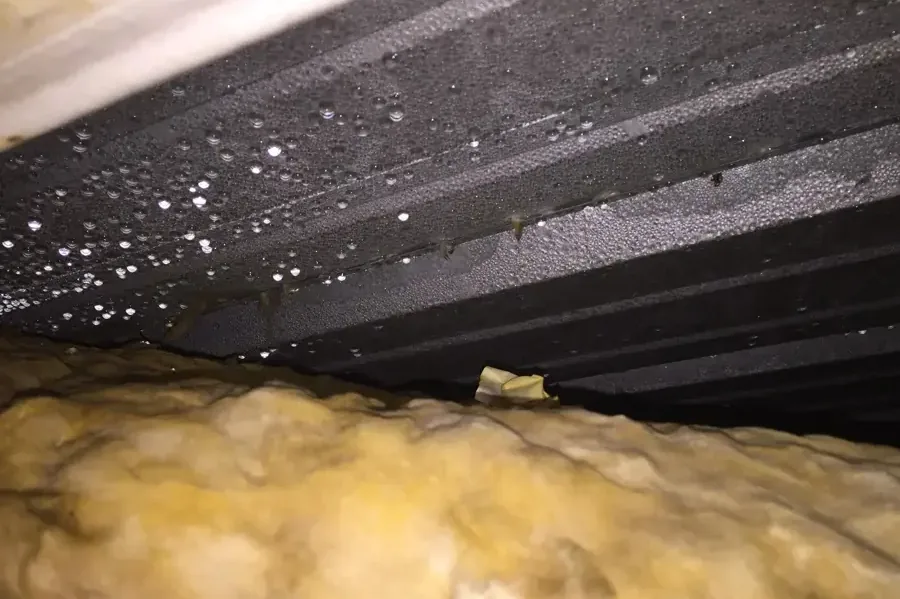 Roof Leak Water DamageManage interior rain damage beneath a roof defect while exterior repairs address the route through which water entered.
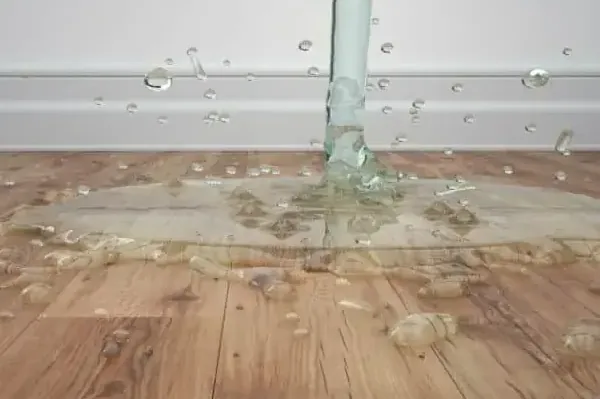 Appliance Leak Water DamageLook behind machines and below cabinetry where a small appliance leak can spread beyond the visible wet spot.
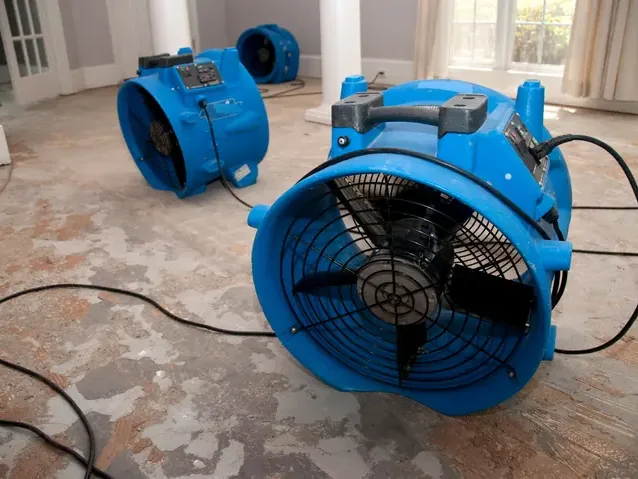 Structural DryingUse material readings and controlled airflow to track drying progress through the assemblies affected by a water loss.
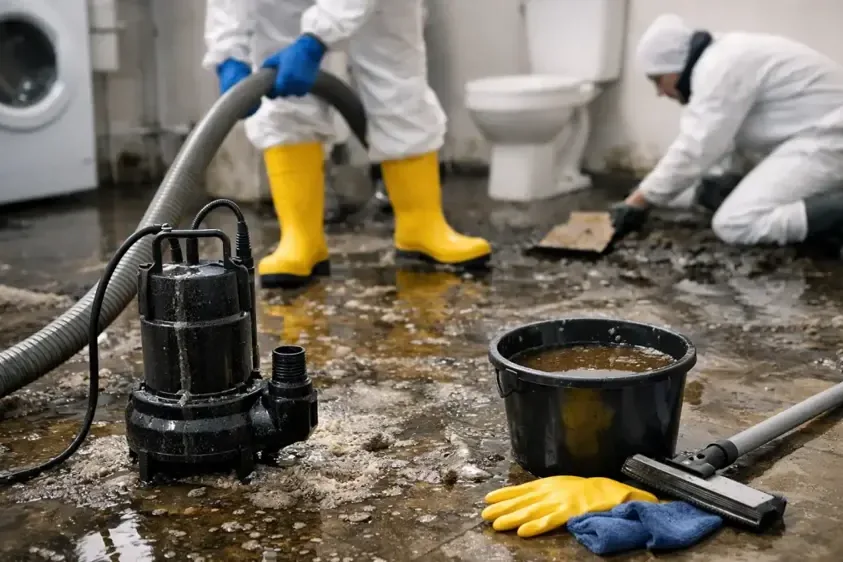 Sewage Backup CleanupSeparate contaminated spaces, remove sewage and evaluate porous finishes after a toilet, drain or sewer backup indoors.
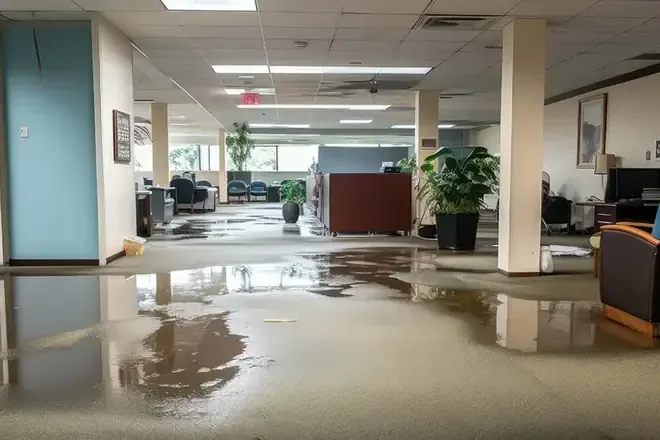 Commercial Water DamageOrganize water removal around business access, affected stock and safe separation between cleanup areas and occupied spaces.
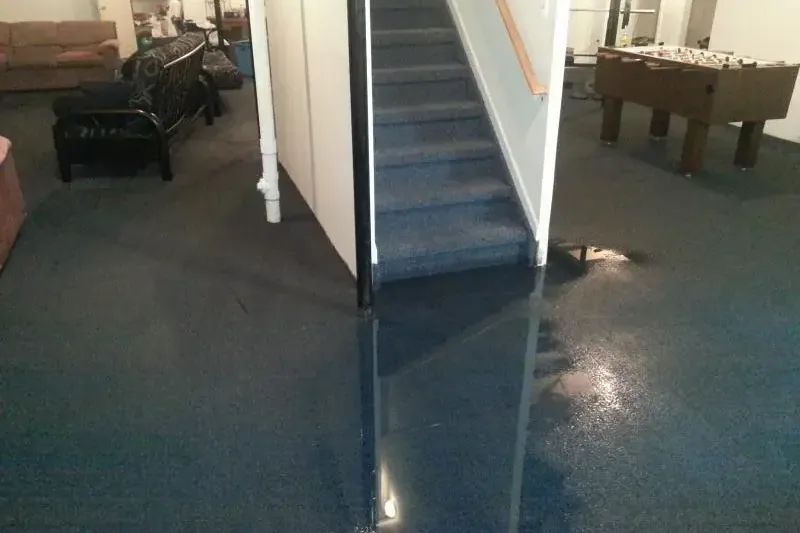 Basement Water RemovalPlan safe access and pumping for an existing basement, followed by inspection of stairs, walls and wet contents.
Inspect beyond the obvious puddle
A floor can look better after extraction while its underlying layers remain wet. Restoration decisions should follow the materials, the water source and repeat measurements of the affected area.
Mapped wet boundaries
Checking adjoining walls and floor edges gives the owner a defined affected area. That map can change when hidden moisture becomes accessible during careful opening.
Separate repair responsibilities
Stopping a pipe leak and drying the resulting damage involve different tasks. A written scope helps keep plumbing work, cleanup and finish repairs clearly organized.
Material decisions
Swollen panels, saturated padding and contaminated porous items need individual evaluation. Keeping everything can delay recovery, while unnecessary removal increases disruption inside an otherwise usable room.
Measured completion
Drying equipment should support a stated moisture goal. Progress records explain why equipment stays, moves or leaves before replacement materials cover the affected structure again.
A sequence that follows moisture through the building
The order matters when a loss crosses several materials. Source control, extraction and drying work together, while condition checks determine which finishes can remain and which require removal.
- 1
Inspect the connected spaces
Moisture checks extend from the visible damage into adjoining rooms and cavities. Photos and material notes preserve the condition before cleanup changes the scene.
- 2
Open only where necessary
Access decisions account for trapped water, contamination and structural condition. An inspection opening can reveal wet insulation that surface airflow would otherwise miss entirely.
- 3
Adjust the drying setup
Air movement and dehumidification are arranged for the materials present. Changing readings help direct attention toward slower areas instead of relying on appearance alone.
- 4
Prepare the repair handoff
Final records identify completed drying, removed finishes and outstanding repairs. Reconstruction can then follow the assessed condition of the building rather than a guessed endpoint.
Three common starting points for indoor water damage
Water from supply plumbing
A ruptured connection can send water under finishes before the shutoff is reached. Recovery follows the spread through floor layers and any cavities below the original release.
Trace pipe releasesLeaks beside household equipment
A machine may conceal water behind its base or inside adjacent cabinetry. Safe access to those hidden edges helps determine whether extraction alone reaches the wet materials.
Inspect appliance surroundingsWastewater entering occupied rooms
A drain backup brings a contamination concern as well as moisture. Isolation, removal and surface cleaning take priority before drying and decisions about replacing affected porous finishes.
Separate sewage damageWhat influences water damage cleanup cost in Canby?
Canby cleanup estimates depend on accessible water, the number of affected assemblies, contamination and removal needs. The ranges below organize typical scope levels; inspection determines the work and the written price for a particular property.
Contained room damage
- Accessible floor water
- Limited finish removal
- Localized drying setup
Several wet assemblies
- Connected room inspection
- Concealed moisture access
- Expanded equipment placement
Extensive interior damage
- Multiple material types
- Contamination handling needs
- Complex drying access
Plumbing correction, exterior repairs and reconstruction may involve separate scopes. A written estimate should identify those boundaries before work on the affected rooms proceeds.
Document the water and its consequences
A claim discussion is easier when the source, discovery time and affected rooms are recorded together. Coverage depends on the policy and circumstances, with the insurer making the coverage decision.
- Photograph water before the first cleanup changes it
- List damaged belongings with their visible condition
- Keep repair receipts and equipment related records
- Record conversations about access and source correction
- Request a written description of removal and drying
When paying directly
An owner paying directly can request a scope that separates urgent stabilization from later finish work. That distinction makes the immediate priorities easier to compare with available funds.
Changes discovered behind flooring or wall coverings should be explained before additional work proceeds. Updated photos and material findings help show why the original estimate needs revision.
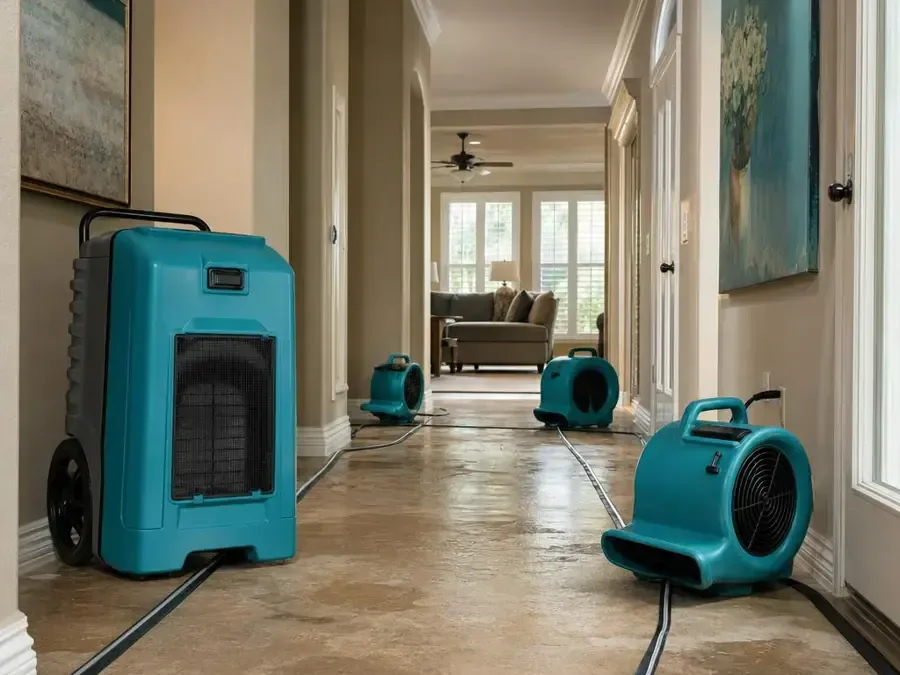
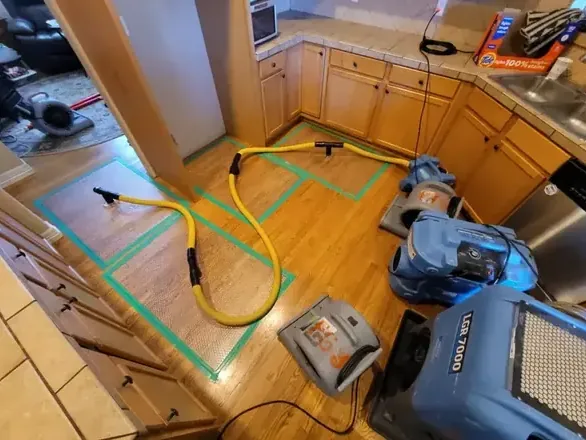
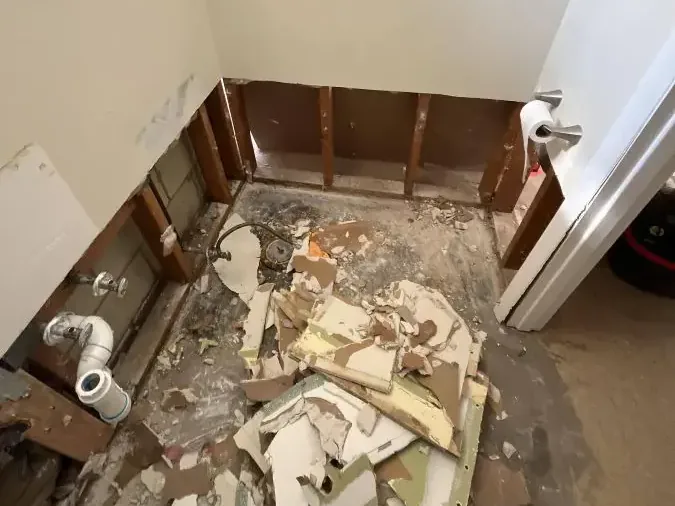
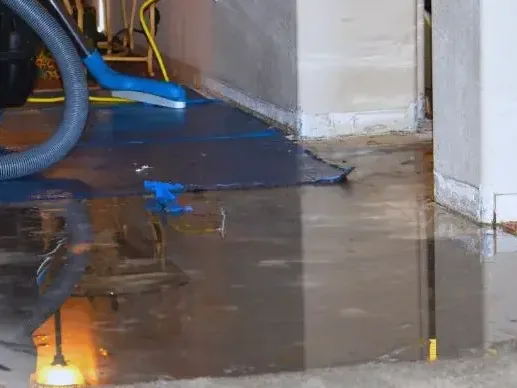
Water removal and drying across different indoor spaces
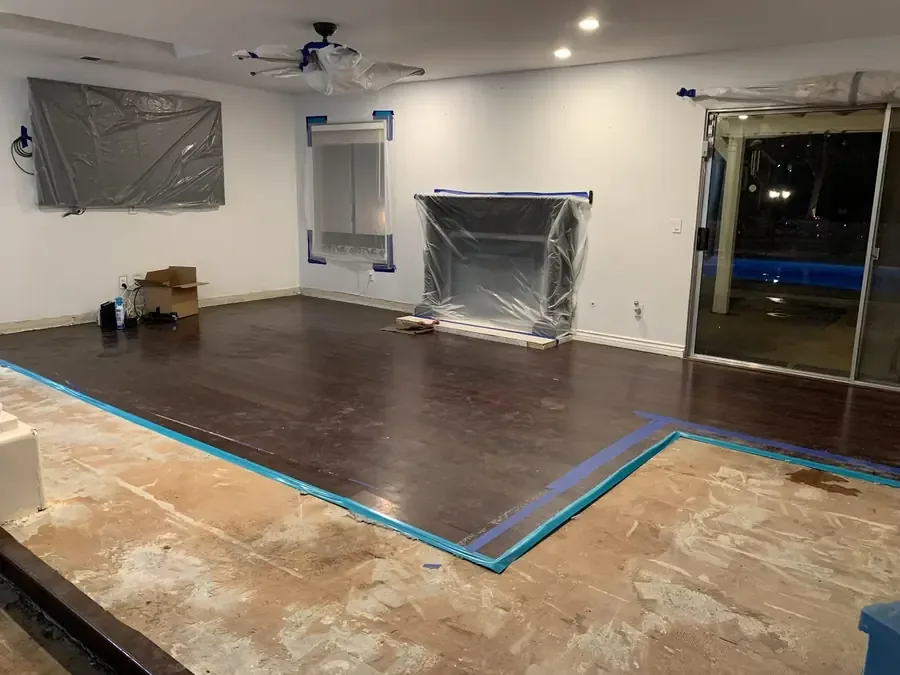
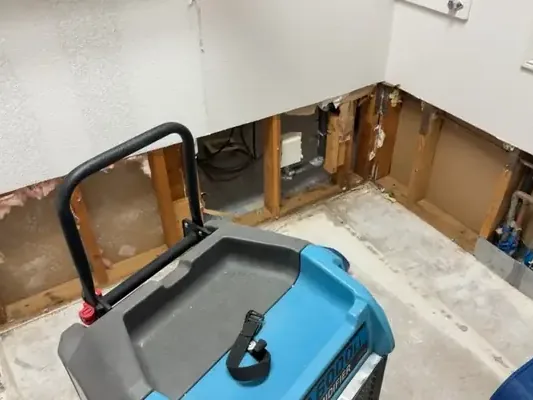
Describe the building and the wet space
A location near Wait Park or along Ivy Street helps identify the property. The next details are the affected floor, safe entrance and whether water continues to arrive.
Managers arranging access should identify locked rooms, stored belongings and restrictions around occupied areas. Water extraction and structural drying can then be coordinated around the affected materials.
Canby context for a property assessment
The Molalla River borders the city to the south and west, while homes also face ordinary indoor plumbing failures. The actual water path determines which materials need inspection and how cleanup proceeds.
River and outdoor entry
The ferry crosses the Willamette River. After outdoor water reaches a building, the inspection follows deposited debris, wet finishes and the entry opening to define cleanup needs.
Public drainage concerns
A blocked storm drain belongs in a report to Public Works. Interior extraction still needs safe access and a plan for water that has already crossed the threshold.
Owner and renter coordination
The census reports both owner occupied and rented housing. A tenant can document the loss promptly while the property manager arranges access and decisions about permanent building materials.
Sewer obstruction reports
City guidance identifies sewer lateral obstructions as a frequent cause of sewer trouble. An interior backup needs contaminated areas separated while the drainage problem receives attention.
Hidden equipment releases
A heater, appliance or cooling drain can wet adjoining assemblies before water appears outdoors. Inspection beneath equipment and behind adjacent finishes helps locate the full affected area.
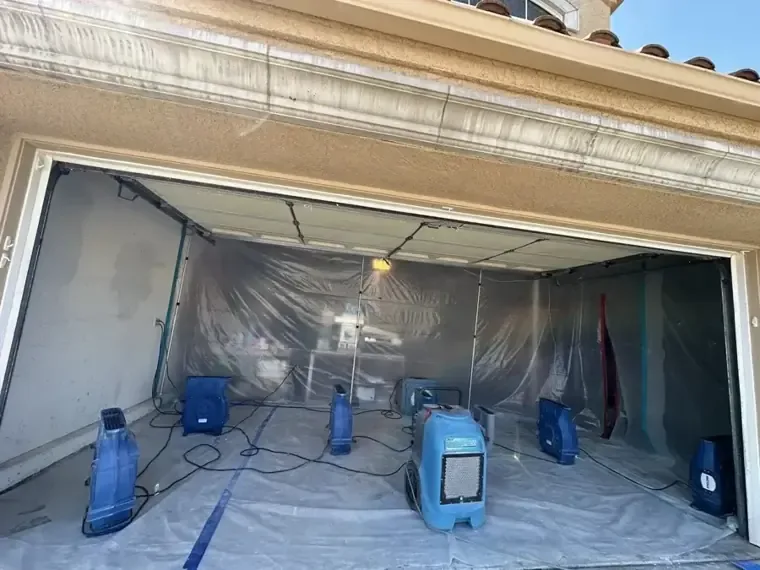
Public drainage planning
The city publishes a Stormwater Master Plan 2022 Update. Public Works handles storm drains, while water already inside a private building requires its own damage assessment.
Canby cleanup planning
Local reference points
- Ivy Street
- Oregon Route 99E
- Wait Park
- Arneson Garden
ZIP area
- 97013
Questions after discovering indoor water
01What matters most when water is still arriving?
Source control comes first when a valve can be reached safely. Water near electrical equipment, an unstable ceiling or contaminated drainage requires keeping people away. The initial assessment then separates the active leak from water already spread through building materials.
02Can a dry looking floor still need attention?
Yes. Flooring can conceal damp padding, underlayment or a wet subfloor after its exposed surface improves. Material readings and access to suspicious edges help determine whether drying reached the affected layers before those areas are enclosed or furnished again.
03How should a tenant report the problem?
A tenant can send the property manager photographs, the discovery time and a description of the affected rooms. Permission for building access and removal of permanent materials should be coordinated with the responsible owner while immediate safety concerns receive attention.
04Does an outdoor flood require different cleanup?
Outdoor water can carry soil and other contaminants into a room. Assessment considers the source and the materials it contacted. Porous items, hidden spaces and deposited debris may require removal or cleaning beyond the work used for a contained supply leak.
05Who handles a problem with public storm drains?
The City of Canby Public Works Department is responsible for storm drains. Reporting a public drainage concern helps direct it to the appropriate department. Water damage inside a building still needs separate inspection, cleanup and a plan for its affected finishes.
06Should damaged belongings be thrown away immediately?
Photographs and an item list should capture their condition before disposal whenever safe. Contaminated or unstable items need careful handling. The restoration scope and any insurer instructions can help organize removal without losing the record of what the water affected.
07When can flooring or drywall be replaced?
Replacement follows source correction and an assessment showing the underlying materials are ready. A surface that feels dry is only one observation. Moisture records, material condition and access to concealed areas provide a stronger basis for closing the repair area.
08Is equipment noise a reason to turn dryers off?
Turning equipment off can interrupt the planned drying conditions. Noise or access concerns should be discussed with the restoration contact so placement can be adjusted safely. Equipment instructions and electrical precautions should remain in effect while the setup is operating.
09What should appear in a cleanup estimate?
An estimate should describe affected rooms, water removal, material removal, drying equipment and monitoring. Separate plumbing or roofing work should be identifiable. If new damage appears after an assembly is opened, a revised scope should explain the additional work and its reason.
Start with the room that first showed water
A clear description of the source and affected materials helps turn a stressful discovery into an organized cleanup and drying plan.