Wilsonville Water Damage Restoration
Water spreading across a room creates several decisions at once. Wilsonville property owners can arrange extraction, identify affected building materials and organize drying around the source, room access and condition of the water.
(888) 373-8814Discuss the wet rooms- Escaped water removal
- Material moisture tracking
- Cleanup scope explained
A useful first description includes where water appeared, whether it continues flowing and which rooms are currently unsafe to enter.
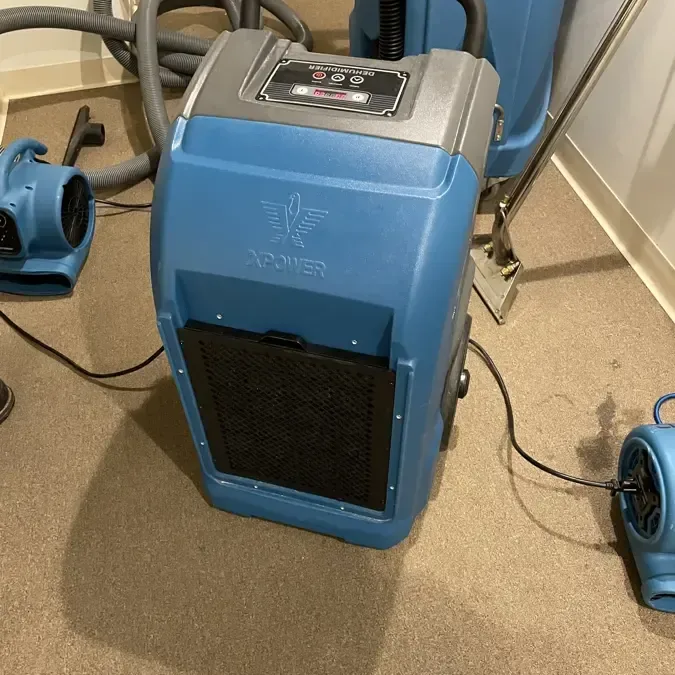
Keep the immediate decisions manageable
- Check room safety. Sagging ceilings, submerged outlets and contaminated water make an affected room unsuitable for entry until the hazards have been assessed.
- Control an accessible source. A reachable shutoff can stop a plumbing release when the approach is dry and safe. Damaged equipment needs qualified attention.
- Record visible changes. Photographs from a safe doorway can show water height, wet belongings and the first places affected before cleanup changes the scene.
- Protect dry belongings. Move unaffected possessions through a dry route. Carrying wet boxes across clean rooms can spread dirty water into additional spaces.
- Explain building access. Provide the room location, available entrance and any occupant restrictions so the cleanup discussion starts with useful details about the property.
Cleanup matched to what happened indoors
A soaked ceiling needs different access than a backed up bathroom. These service details explain how the water source changes removal, cleaning and material recovery.
 Water ExtractionStanding water is recovered from accessible surfaces before moisture beneath carpet, trim and adjoining finishes receives closer attention.
 Flood Damage CleanupOutdoor water brings debris into rooms, making material sorting and surface cleaning central parts of the recovery plan.
 Storm Water DamageRain entering during wet weather needs an entry assessment alongside protection for exposed interiors and removal of accumulated water.
 Slab Leak Water DamageMoisture emerging through a floor calls for pipe repair coordination and a careful look beneath the affected finish layers.
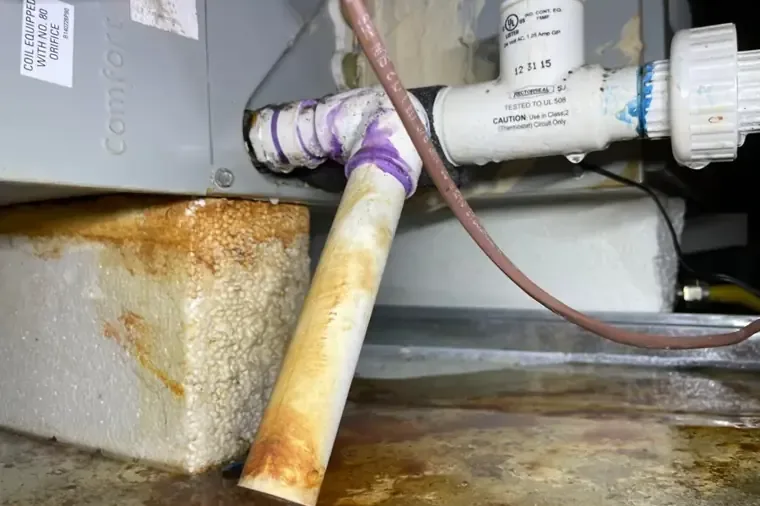 AC Condensate Leak CleanupAn overflowing condensate pan can soak nearby insulation and ceilings before the small equipment leak becomes obvious below.
 Water Heater Leak CleanupWater escaping a tank may travel under stored belongings, adjoining walls and finished flooring beyond the utility area.
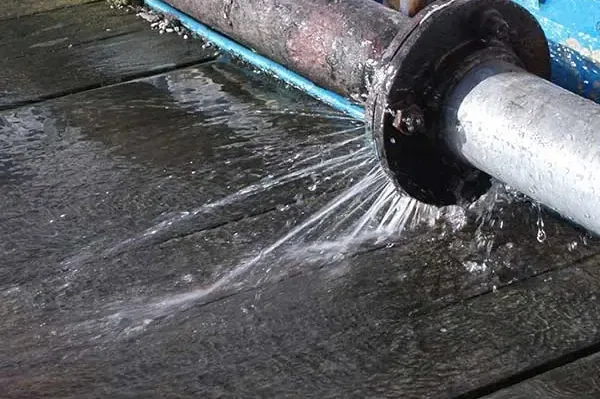 Burst Pipe CleanupAfter the supply is isolated, cleanup follows the spray path and the places pressurized water reached behind finishes.
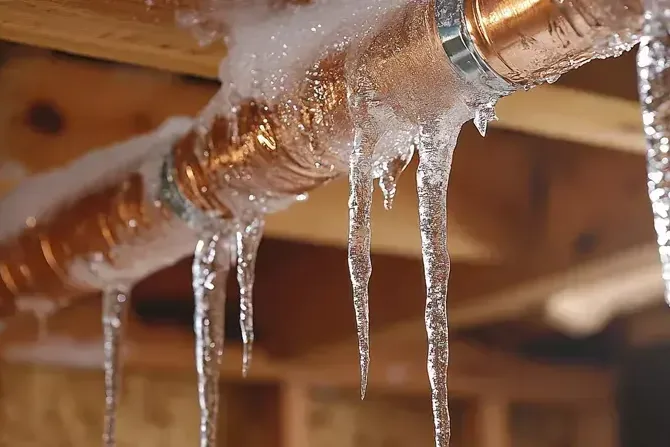 Frozen Pipe Water DamageA pipe can release water as ice thaws, requiring controlled plumbing checks and drying of the actual wet assembly.
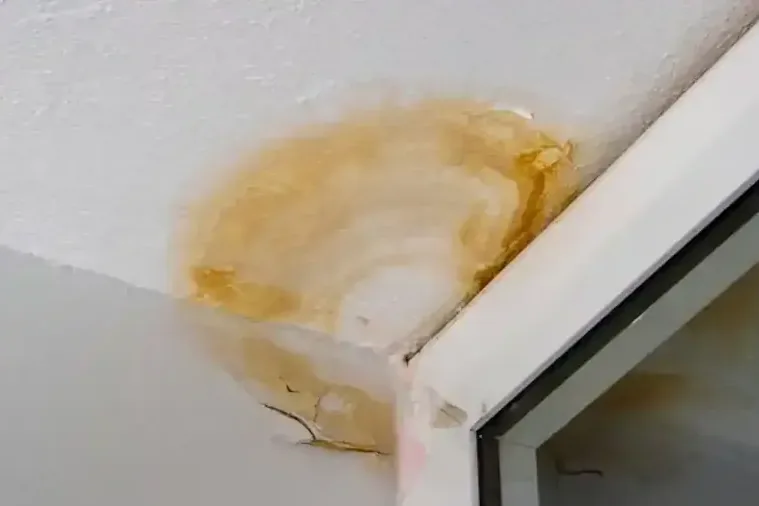 Ceiling Leak Water DamageA stained overhead surface needs source tracing, stability checks and assessment of insulation or framing concealed above it.
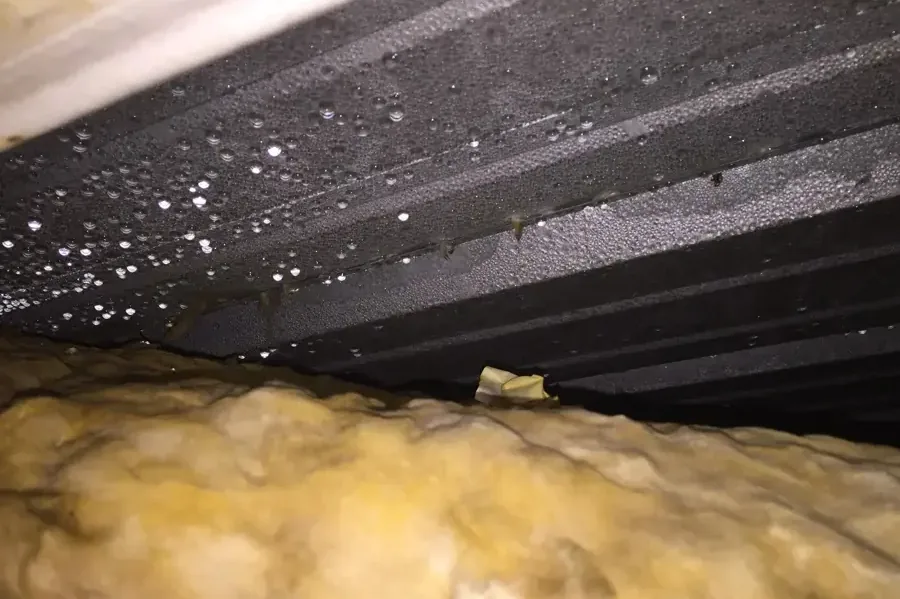 Roof Leak Water DamageRain can travel inside an attic before appearing indoors, so recovery follows wet materials beyond the visible ceiling mark.
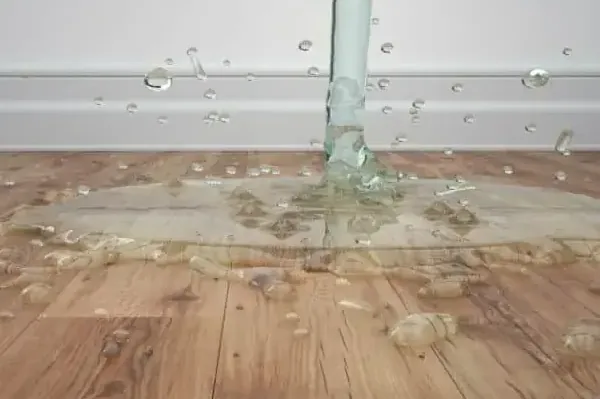 Appliance Leak Water DamageDishwasher, washer and refrigerator leaks can hide beneath cabinet bases where a wiped floor leaves substantial moisture behind.
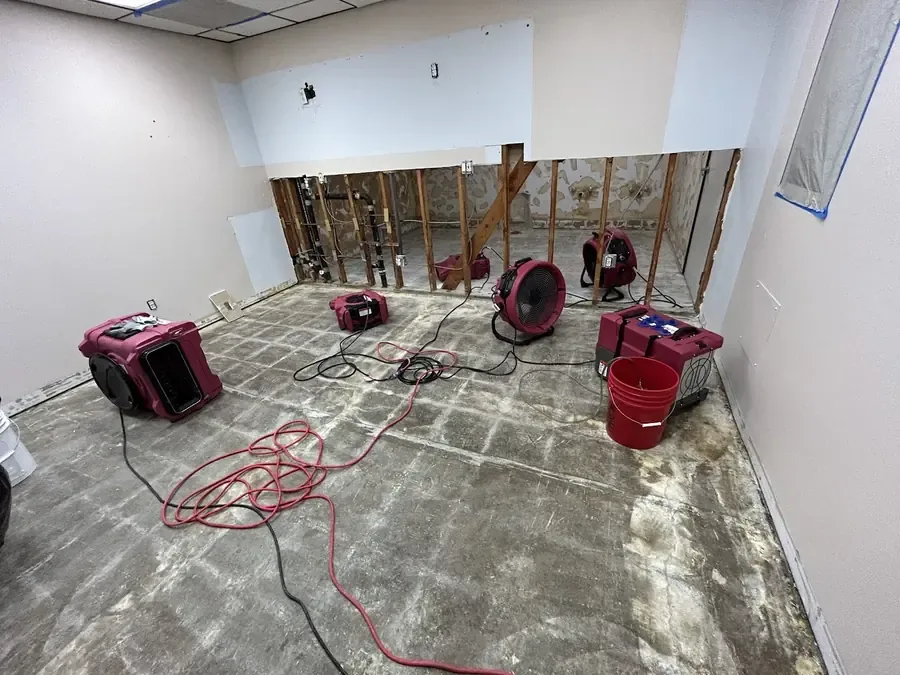
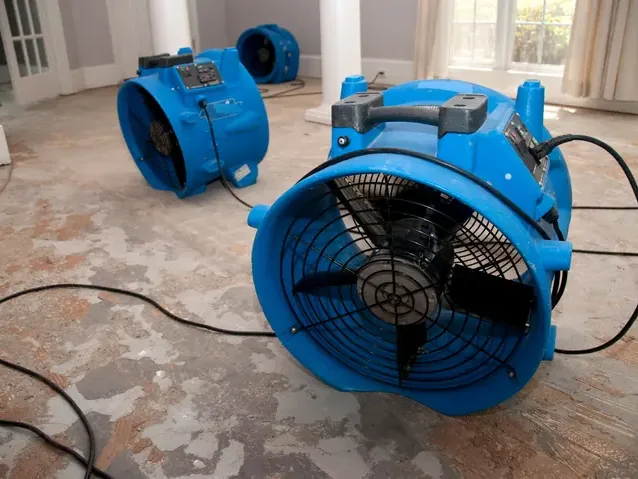 Structural DryingMaterial readings establish which floor, wall and framing sections still need controlled airflow and moisture removal after extraction.
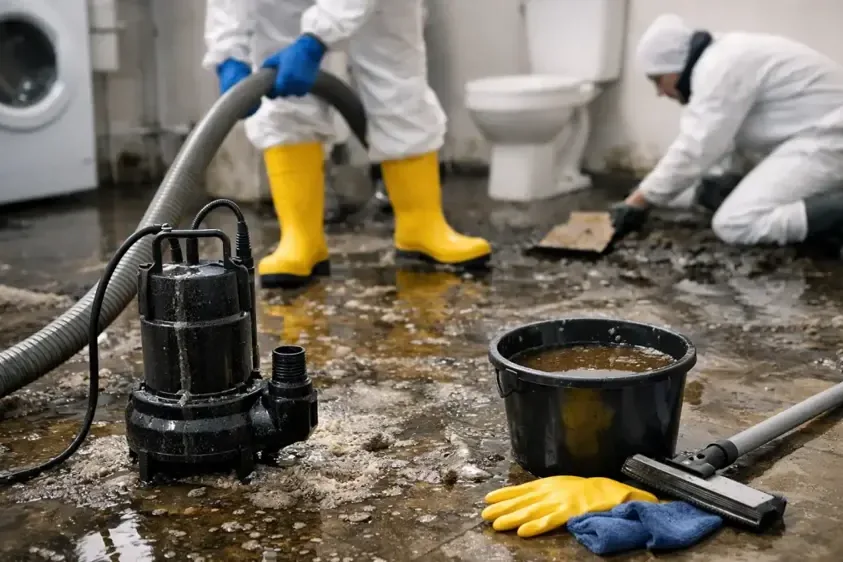 Sewage Backup CleanupWastewater in a bathroom requires restricted access, careful removal of affected porous materials and cleaning of recoverable hard surfaces.
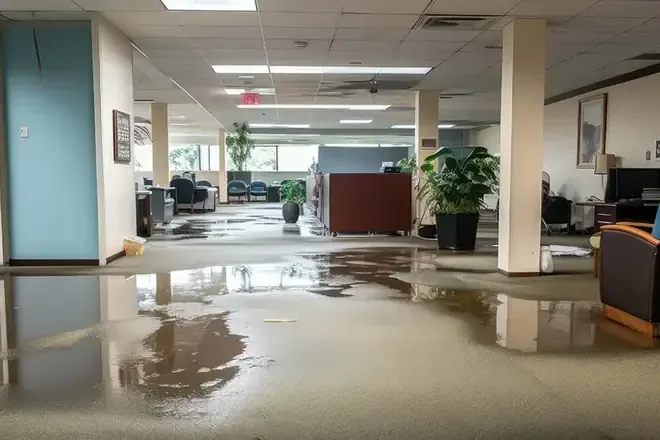 Commercial Water DamageBusiness recovery separates wet work areas from usable space while coordinating stock protection, access and drying around ongoing operations.
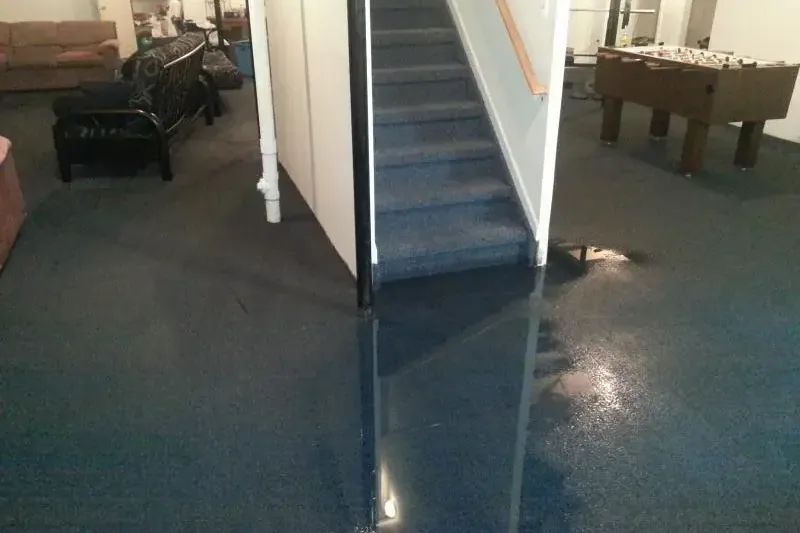 Basement Water RemovalWater at the foot of basement stairs needs a safe access assessment before pumping, contents handling and concealed moisture checks.
Understand what each drying step accomplishes
A recovery plan should distinguish water removal from material drying, identify surfaces that need opening and explain the checks that determine when repair work can begin.
Visible moisture boundaries
Room sketches and moisture readings give owners a clearer picture than a stain alone, including areas beneath trim or flooring that need a closer assessment.
Source repair coordination
Plumbing, appliance or roof repairs should connect with the drying schedule so newly exposed materials stay protected while the damaged source is brought under control.
Specific material decisions
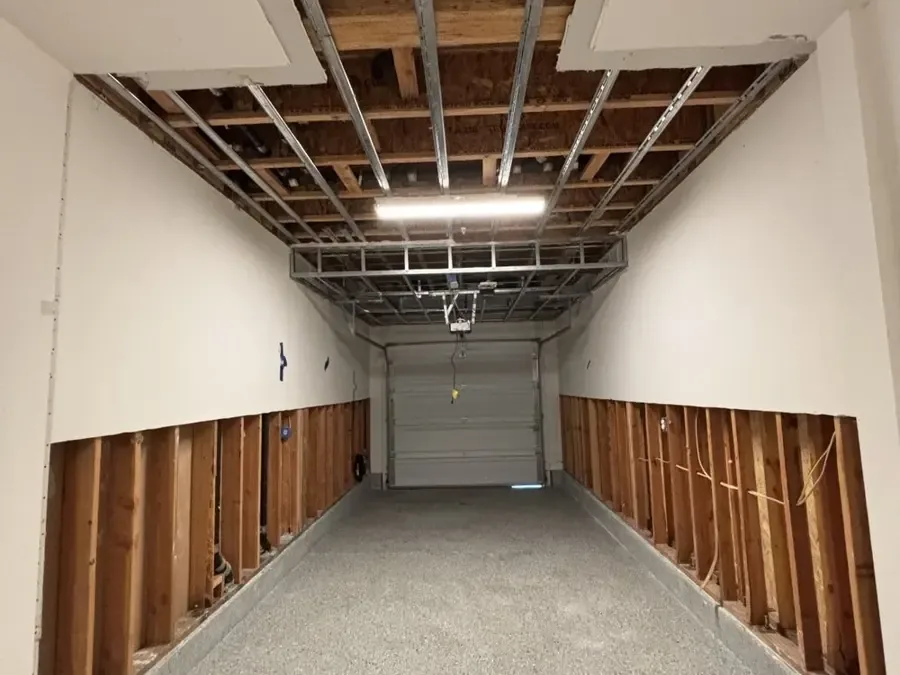
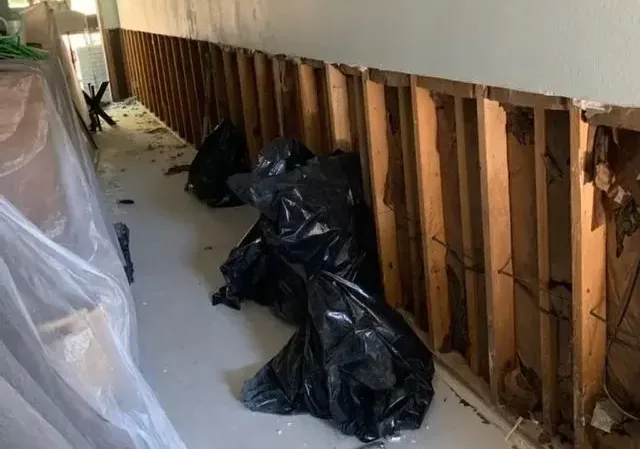
Carpet backing, wallboard and framing behave differently when wet. A useful scope names the affected layers and explains whether each can remain or needs removal.
Recorded progress
Repeat readings show how the drying work is moving forward. Owners can compare that record with the original wet areas before discussing finishing or replacement work.
A sequence built around the affected materials
Cleanup begins with safe access and source control, then shifts from recovering liquid water to cleaning and drying the building layers that absorbed it during the loss.
- 1
Inspect the spread
The assessment follows moisture through doorways, floor edges and wall bases, recording how far water traveled and whether nearby rooms need further investigation.
- 2
Remove accessible water
Extraction equipment is selected for the depth and surface involved. Wet contents are managed so the remaining room can be reached for cleaning.
- 3
Manage retained moisture
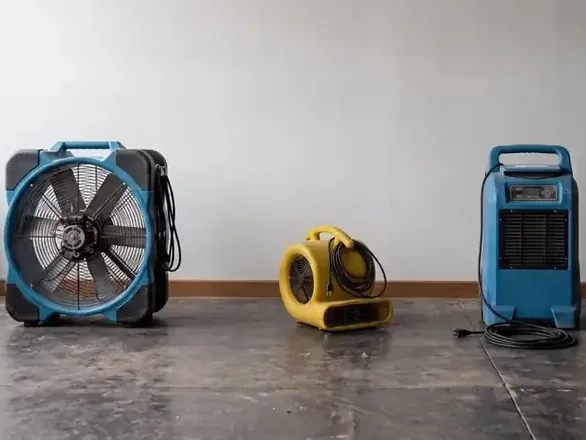
Airflow and dehumidification address materials that remain in place. Enclosed pockets may need controlled access when surface drying cannot reach the wet layer.
- 4
Check before closing
Final material measurements are compared with the drying objectives. Repair planning addresses remaining damage after the moisture conditions are ready for replacement finishes.
The cleanup changes with the source and exposure
Supply pipe release
A broken supply pipe can wet several layers before the valve closes. Time, contact with materials and the actual water condition shape the cleanup approach.
Trace pipe spreadAppliance escape
Water beneath a machine may include wash residue or material picked up along its path. The inspection checks both the appliance opening and adjoining cabinetry.
Check hidden edgesWastewater intrusion
Sewage affects access and salvage decisions immediately. Porous items that absorbed wastewater need careful handling while recoverable surfaces receive a more controlled cleaning process.
Separate contaminated areasWhat affects water cleanup costs in Wilsonville?
The depth of water matters, but hidden layers often drive the work. These planning ranges reflect cleanup scope; an inspection identifies affected materials, disposal needs and the equipment required for the actual property.
Contained room loss
- Accessible wet surfaces
- Limited contents handling
- Simple drying access
Several connected spaces
- Adjoining room spread
- Concealed edge checks
- More equipment placement
Extensive material involvement
- Multiple wet layers
- Broader removal work
- Complex cleaning requirements
Source repairs and replacement finishes can add separate costs. A written scope should explain what the cleanup estimate includes before larger repair decisions are made.
Document the loss as it changes
Photos, repair notes and a clear sequence of events help explain what happened. The insurer evaluates policy terms while the restoration scope records the damage and the work needed to address it.
- Photograph affected rooms from safe dry locations
- Record when the water was first noticed
- Keep source repair findings with cleanup paperwork
- List belongings moved, damaged or set aside
- Retain written estimates and dated material moisture records
When paying directly
Owners paying for cleanup can request a clear division between immediate water removal and later repair work. That separation makes equipment, labor and material disposal easier to evaluate.
Changes discovered behind finishes should be explained before the scope expands. A written update helps connect additional work with the wet materials found during access.
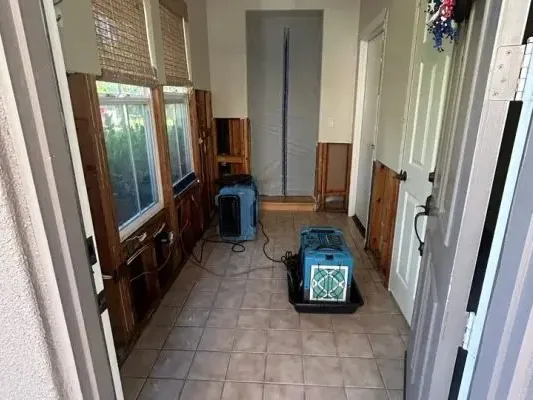
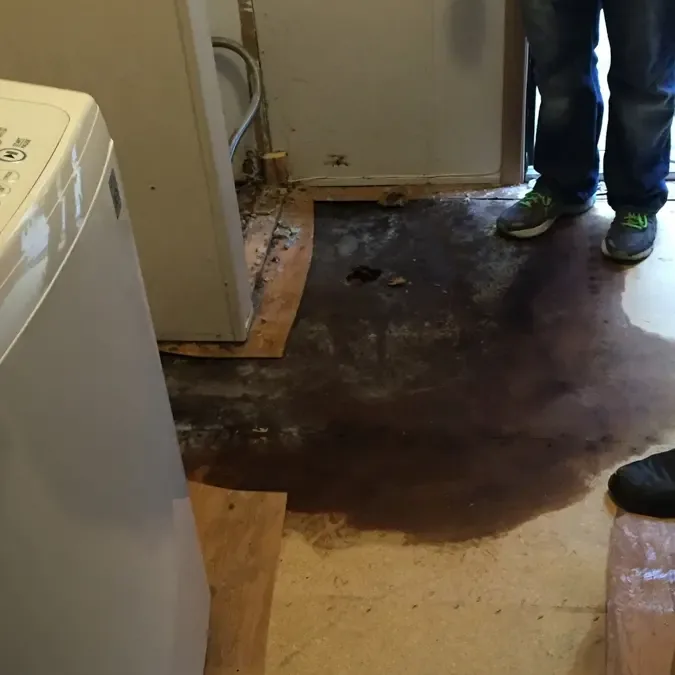
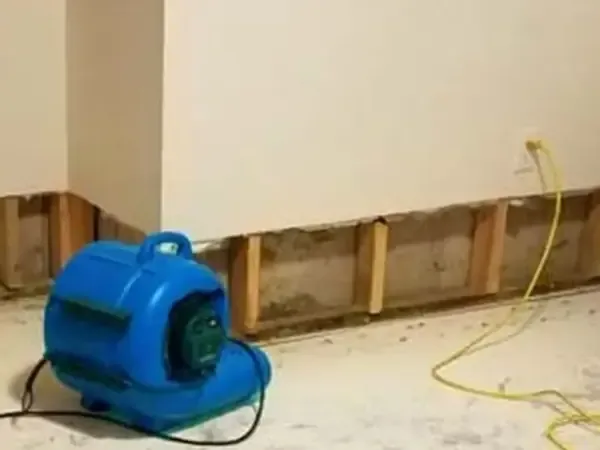
Examples of exposed materials, extraction and controlled drying
Describe the property before arranging access
Charbonneau lies south of the Willamette River, while Villebois sits on the city's western edge. The intake details should identify the affected building and a usable entrance.
Old Town follows Boones Ferry Road. For any property, gate access, occupied rooms and the location of wet materials help shape the next practical step.
Drainage outside, water damage inside
The wettest period runs from November through March. Roofs and paved areas shed rainfall, while maintained inlets, catch basins and detention facilities help manage the runoff moving through town.
Rainfall runoff
Impervious surfaces send rain toward drainage systems. At an affected property, water near a doorway or wall base deserves attention before the interior wet area grows.
Creeks and wetlands
Coffee Lake Creek includes the Coffee Lake Wetlands, and Boeckman Creek runs through Memorial Park. Cleanup planning begins with the water that actually entered the building.
Maintained drainage components
Public and private stormwater facilities include detention ponds and water quality features. Inlets, pipes and catch basins need maintenance to keep runoff moving through those systems.
Hidden indoor travel
A small visible puddle can conceal wet flooring edges or wall cavities. Tracking the path inside the property helps prevent a room from being closed up too early.
Occupant coordination
Both renters and owners need a clear building contact when water appears. Access permission, belongings and source repair arrangements can be organized while the affected space is assessed.
February 21, 2017
After several days of rain, flooding closed all four lanes of Town Center Loop West. The closure illustrates how prolonged rainfall can disrupt local access.
Wilsonville property cleanup
Neighborhoods and access
- Charbonneau
- Villebois
- Old Town
- Frog Pond
- Town Center
- RiverGreen
ZIP area
- 97070
Questions after a room gets wet
01What should happen before a wet room is entered?
The route should be checked for electrical hazards, unstable ceilings and contaminated water. Occupants should remain outside an unsafe room. Photographs taken from a dry doorway can still document visible conditions while access is being assessed.
02Does a dry looking floor mean cleanup is finished?
Surface appearance can change before the layers underneath have dried. Carpet backing, floor underlayment and wall bases may retain moisture. Material readings help determine whether extraction was enough or whether further drying and access are needed.
03How does outdoor flooding change the work?
Water that traveled across outdoor surfaces can carry dirt and contaminants into a room. Cleaning and disposal decisions then become central to the scope. The condition of each material determines whether recovery is practical after the water is removed.
04Who should a renter contact about ceiling water?
The property manager or designated building contact should receive the room location and a description of the leak. Occupants should avoid sagging surfaces. Access to an upper room or equipment area may be needed to trace and stop the source.
05Can a plumbing repair replace the drying work?
Fixing a pipe stops further release but leaves the absorbed water in place. The damaged room still needs an assessment of finishes and concealed layers. Drying equipment and selective access may be needed before the building is ready for repairs.
06What information makes an estimate easier to understand?
A useful estimate identifies affected rooms, materials to be removed, cleaning tasks and the planned drying equipment. It should also distinguish cleanup from source repair and rebuilding. Changes found during opening should be tied to an updated written scope.
07Are all wet belongings automatically discarded?
Condition, material and water exposure determine the options. Some hard surfaces can be cleaned, while porous items may be difficult to recover after contaminated contact. An item list and photographs help keep those decisions organized before belongings leave the property.
08Why might equipment remain after the puddles disappear?
Water held inside wood, wallboard or floor layers evaporates more slowly than exposed liquid. Air movement supports evaporation and dehumidification removes that moisture from the air. Repeat readings establish whether the remaining materials are approaching the drying objectives.
09When can flooring or wall finishes be replaced?
Replacement should follow source correction and verification that the underlying assembly is ready. Covering a damp surface can conceal continuing moisture. The final record should identify any areas still needing attention before contractors install the new finish materials.
Turn the wet room into a clear recovery scope
A room description, source details and safe access information help organize the first assessment and the decisions that follow water removal.