Water Damage Restoration in Happy Valley
A spreading puddle changes a household's priorities quickly. Water damage cleanup in Happy Valley starts with the source, the rooms water reached and a practical plan for removing moisture from the building.
(888) 373-8814Discuss the wet rooms- Source assessment
- Material moisture checks
- Clear cleanup scope
Property access, electrical hazards and the water source shape the first decisions before equipment enters the affected rooms.
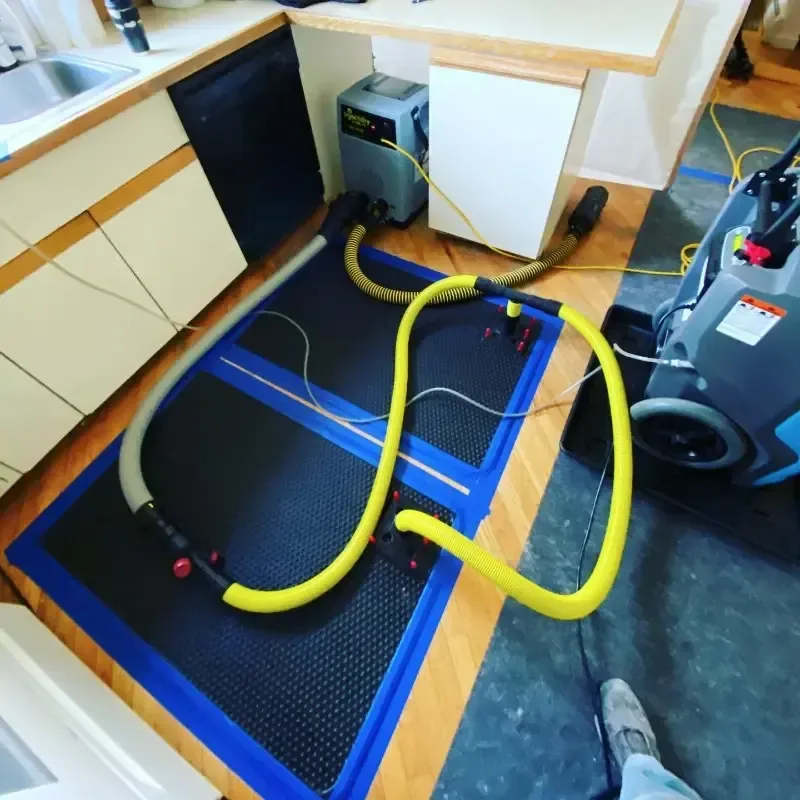
Make the next decision a safe one
- Stay above water. Avoid rooms where standing water reaches outlets or equipment. Electrical safety needs to be established from a dry location before entry.
- Stop an accessible source. A familiar shutoff can limit a plumbing release if reaching it is safe. Damaged equipment needs the appropriate repair professional.
- Protect dry belongings. Move items only from unaffected areas. Carrying wet objects through clean rooms can spread dirty water and complicate the cleanup.
- Capture the initial condition. Photograph the visible damage from stable flooring and note when the leak was discovered, including any shutoff or repair already completed.
- Arrange building access. Identify who can authorize cleanup and provide entry. Rental properties may require communication between the occupant and the property owner.
Cleanup matched to the source and materials
Different leaks leave different cleanup needs. These services address the water already inside, with repair coordination and drying decisions tailored to the affected building.
 Water ExtractionRemove pooled water from accessible rooms, then check carpet edges and other places where liquid can remain hidden.
 Flood Damage CleanupSeparate muddy contents from salvageable belongings and assess porous finishes after outdoor water has entered the building.
 Storm Water DamageTrack rain entry through the affected rooms and document the surfaces requiring cleaning, removal or controlled drying.
 Slab Leak Water DamageMeasure damp flooring around a suspected underfloor pipe problem while plumbing work resolves the source of water.
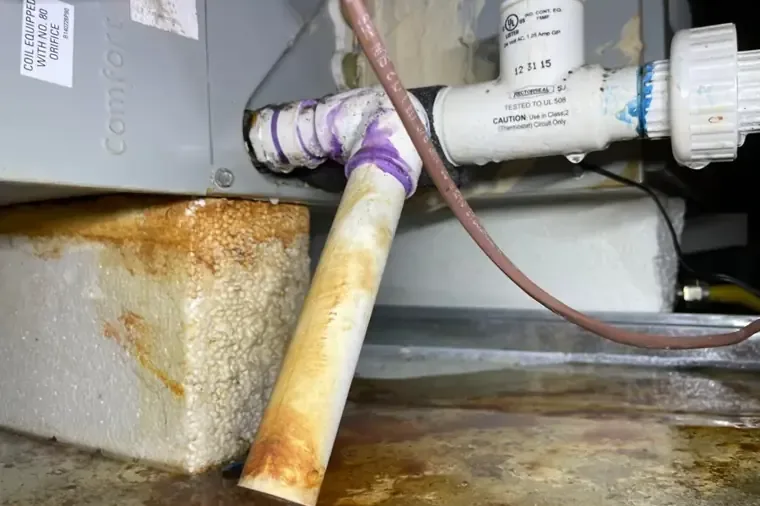 AC Condensate Leak CleanupInspect the area beneath a leaking cooling system for wet insulation, damaged finishes and concealed overflow paths.
 Water Heater Leak CleanupFollow a tank release beyond the equipment area to locate soaked wall bases, flooring and nearby stored belongings.
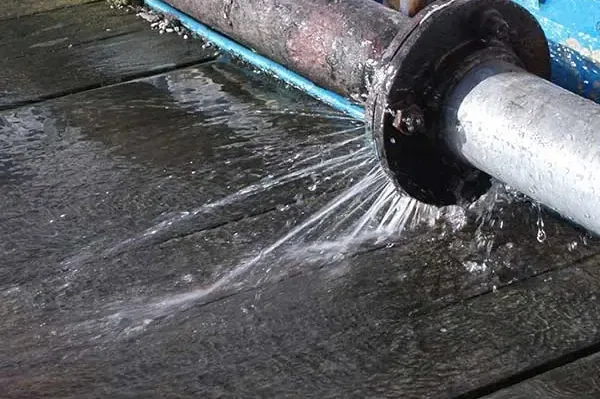 Burst Pipe CleanupAddress a sudden supply release with extraction and a room record that follows the water beyond the broken pipe.
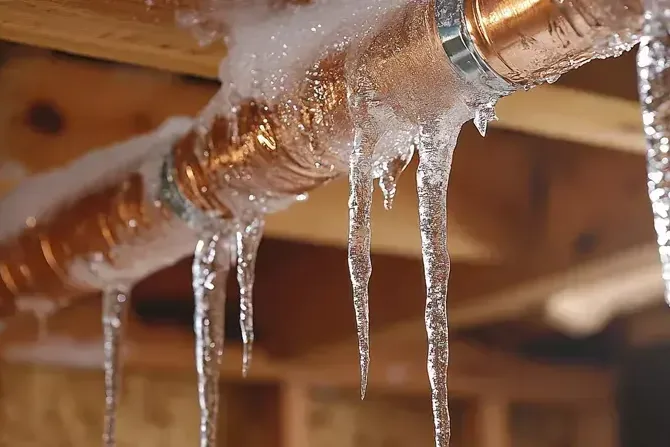 Frozen Pipe Water DamageDry materials wetted by a thaw leak after damaged plumbing is isolated and the release has been controlled.
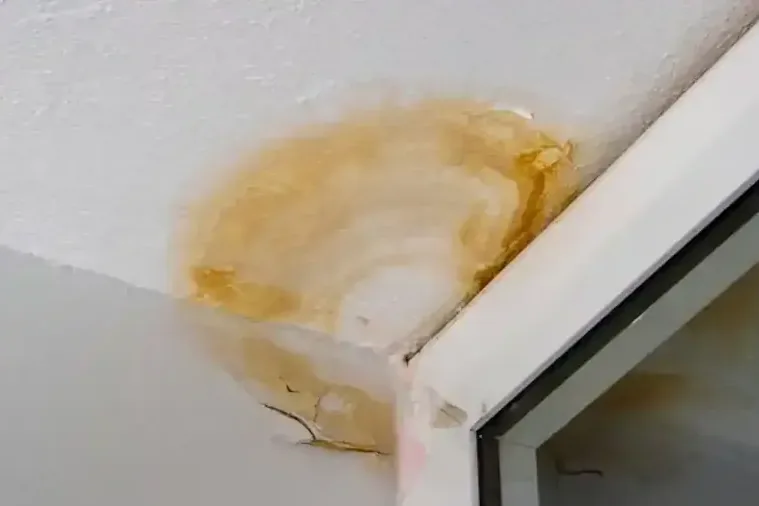 Ceiling Leak Water DamageAssess stained or sagging overhead materials and check the cavity above before closing or repainting the ceiling.
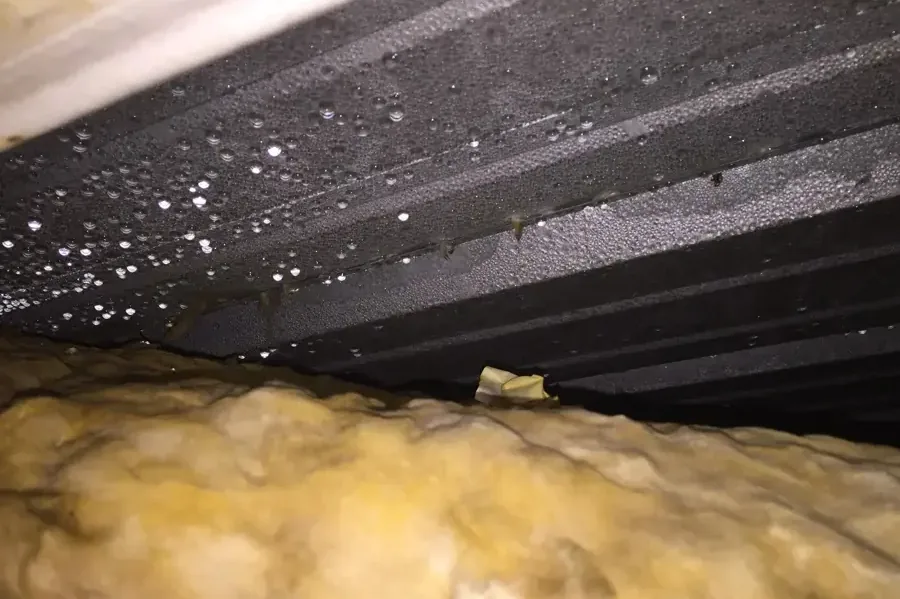 Roof Leak Water DamageCoordinate interior drying with roof repair so wet attic materials and ceiling cavities receive attention after rain entry.
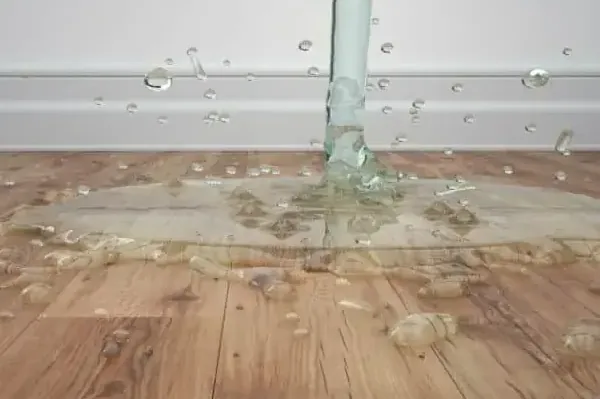 Appliance Leak Water DamageCheck beneath appliances and cabinet edges where a small hose leak can spread beyond the visible kitchen puddle.
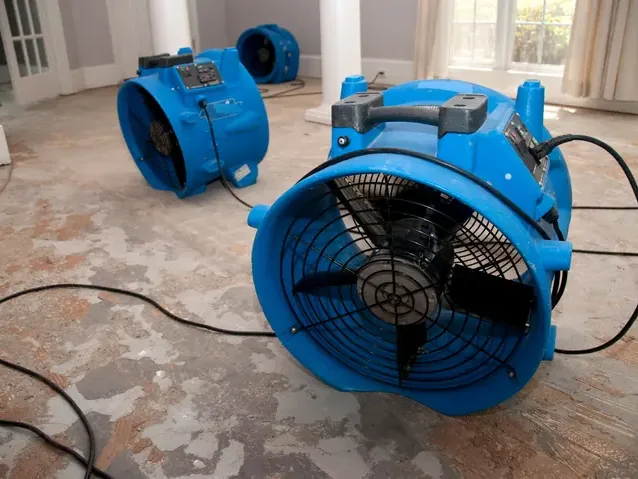 Structural DryingTrack moisture inside affected building materials and adjust airflow and dehumidification as the wet areas respond to treatment.
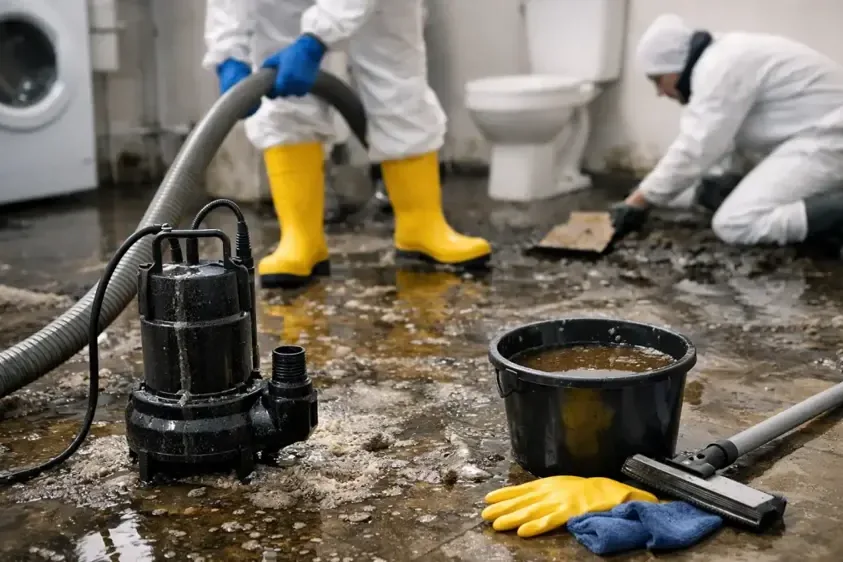 Sewage Backup CleanupRestrict contact with wastewater, remove affected porous materials when needed and clean accessible hard surfaces before drying.
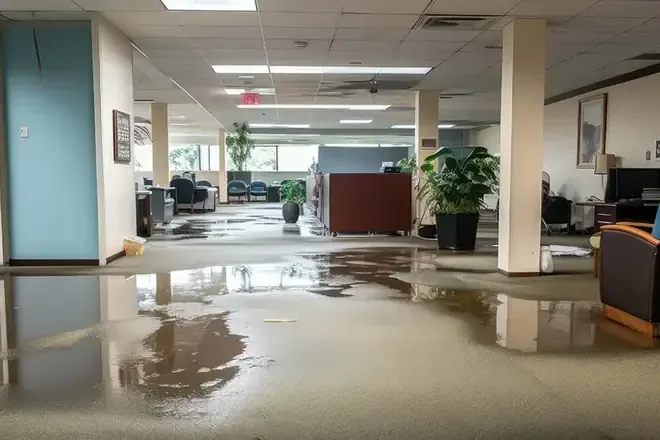 Commercial Water DamageOrganize water cleanup around business access, protected contents and clear boundaries between work areas and unaffected occupied rooms.
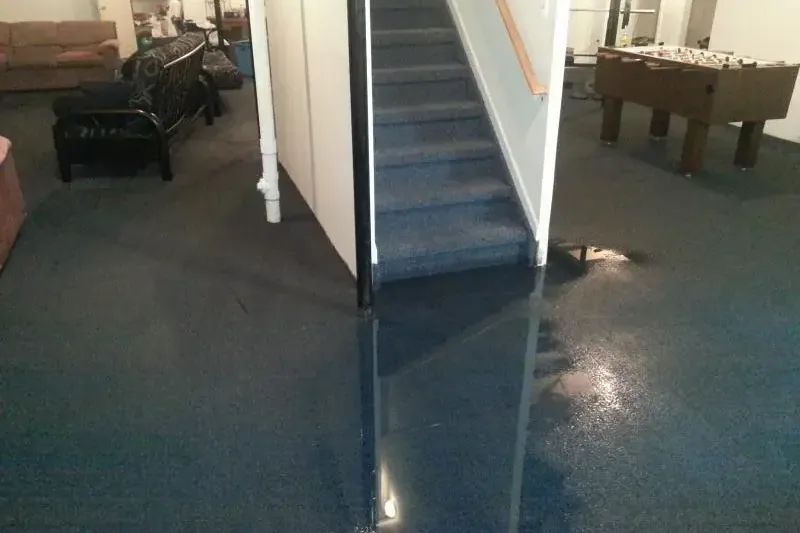 Basement Water RemovalAssess safe access to an existing basement before pumping, recovering wet contents and drying floor and wall assemblies.
Decisions tied to each wet assembly
The cleanup plan should explain what is wet, what can remain and what requires access. A written record helps households understand the work before finishes are replaced.
Visible scope
Room descriptions separate the source repair from water removal and material drying. That distinction makes it easier to understand the estimate and the tasks still outstanding.
Material checks
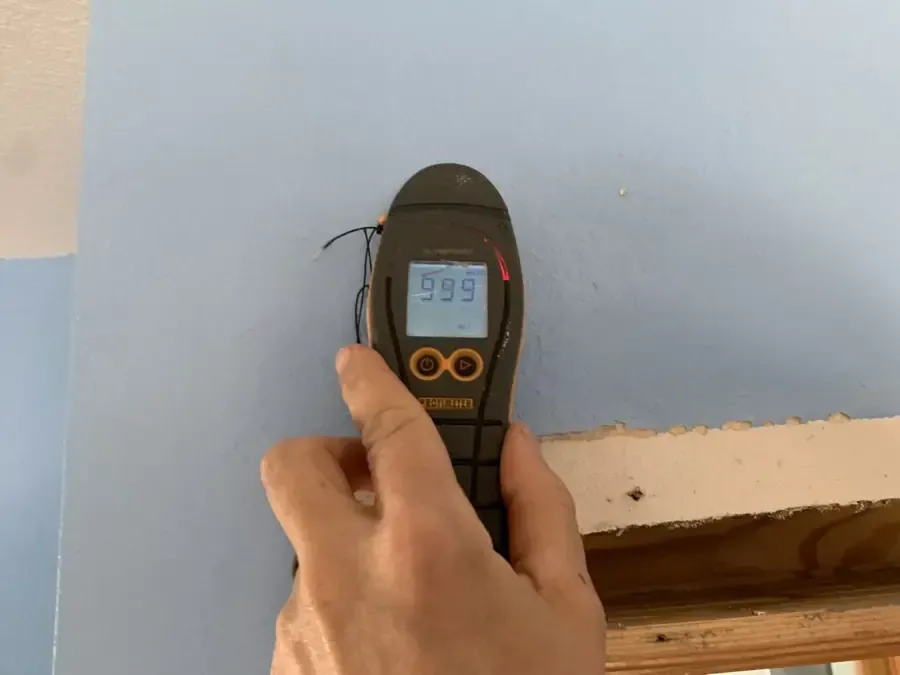
Carpet, wallboard and wood do not hold water in identical ways. Measurements help select drying methods and identify areas that need a closer look behind finishes.
Access planning
An occupied home needs a safe route around equipment. The plan should identify restricted rooms, hose crossings and any contents that must be moved before work proceeds.
Documented progress
Moisture readings and photographs provide a record of changes during drying. Final checks should support the decision to remove equipment and prepare the space for repairs.
A clear sequence for the building
Extraction changes the room immediately, but remaining moisture takes further attention. Each phase should connect the original water path to the materials that need drying or removal.
- 1
Map the wet boundary
Inspection follows water across thresholds and into adjoining materials. The initial record distinguishes visibly wet areas from surfaces that need moisture measurements to assess their condition.
- 2
Recover accessible liquid
Extraction tools remove standing water and moisture held in suitable floor coverings. Contaminated materials require handling that keeps the cleanup area separated from unaffected rooms.
- 3
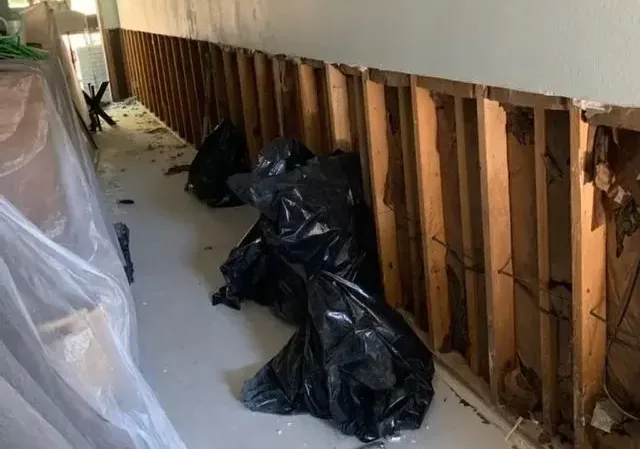
Expose and dry carefully
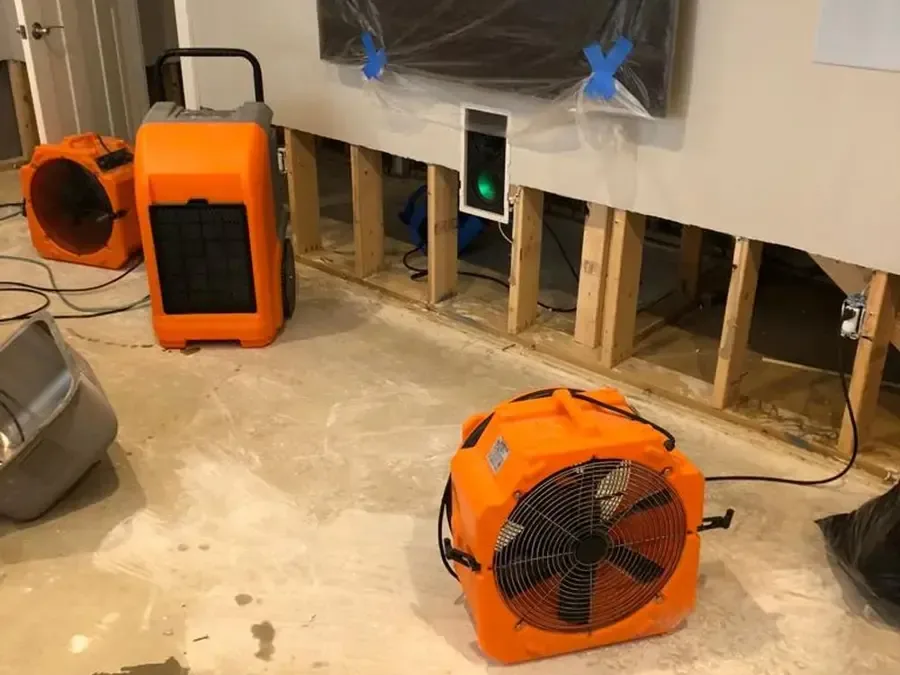
Selected openings can give access to damp cavities. Equipment placement then addresses the remaining wet surfaces while keeping circulation paths and safe electrical use in view.
- 4
Confirm the next phase
The drying record is reviewed before reconstruction. Any remaining plumbing or exterior repair belongs in the handoff so restored finishes are not exposed to another release.
A leak's origin changes the cleanup approach
Fresh supply release
A broken supply pipe can wet adjoining rooms before the source is isolated. Cleanup considers contact time, affected materials and changes in water condition during the loss.
Trace the releaseEquipment overflow
An appliance drip may disappear beneath cabinetry or flooring. Removing the visible puddle leaves the task of finding trapped moisture and coordinating repair of the failed connection.
Check hidden edgesWastewater intrusion
A drain backup requires controlled handling and separation from clean areas. Porous items that absorbed wastewater may need removal before accessible structural surfaces can be cleaned and dried.
Isolate contaminated roomsWhat affects water damage costs in Happy Valley?
The extent of wet materials determines the cleanup scope. Access, contamination, concealed cavities and the need to move belongings can change the estimate even when the visible puddle appears small at first.
Contained room impact
- Accessible wet surfaces
- Limited contents handling
- Focused moisture checks
Several affected assemblies
- Adjoining room assessment
- Selective cavity access
- Expanded drying equipment
Extensive interior damage
- Broad material removal
- Complex equipment access
- Detailed drying records
These planning ranges are followed by a property assessment. Source repairs, damaged contents and reconstruction should be identified separately in the written scope.
Document before discarding damaged materials
Photographs, a discovery timeline and item descriptions help explain the loss. Coverage decisions belong to the insurer, while the cleanup record describes the water path and work performed at the property.
- Record the room where water first appeared
- Photograph damaged belongings before removal where safe
- Retain available plumbing and equipment repair receipts
- Save the cleanup estimate and signed scope
- Keep drying measurements with dated progress photographs together
When paying for cleanup directly
A household paying directly still benefits from an itemized plan. The estimate should distinguish extraction, removal and structural drying so each authorized task has a clear purpose.
Ask for the conditions that could expand the work, such as wet insulation found behind a wall. Changed conditions should be explained before additional affected areas are opened.
Materials and equipment during water damage work
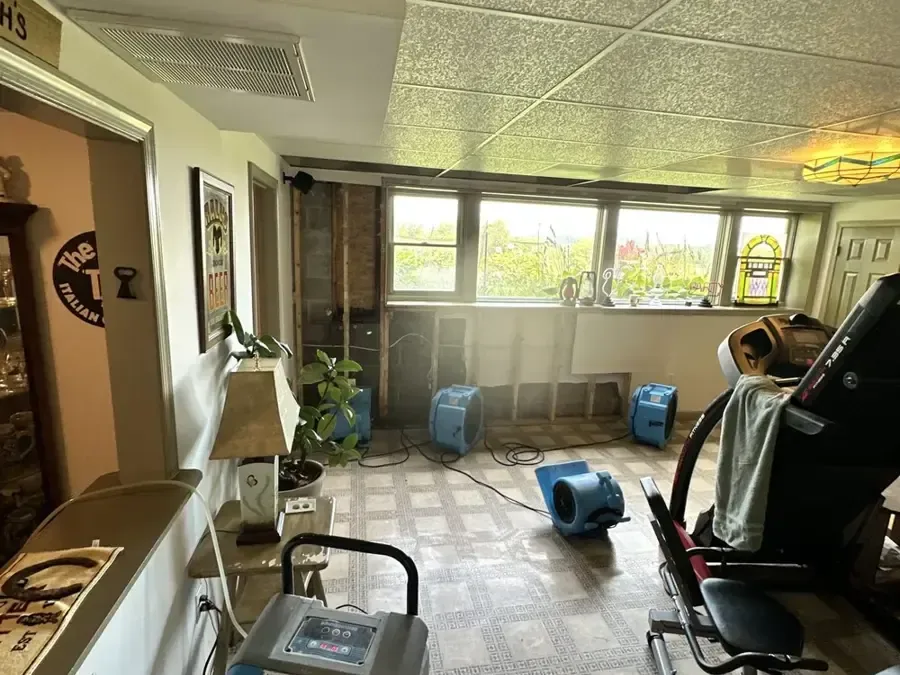
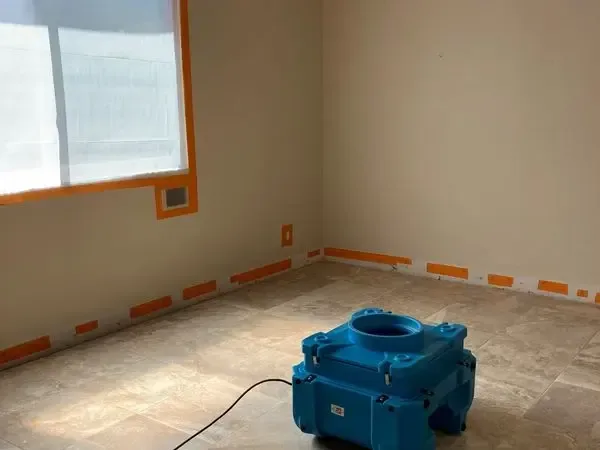
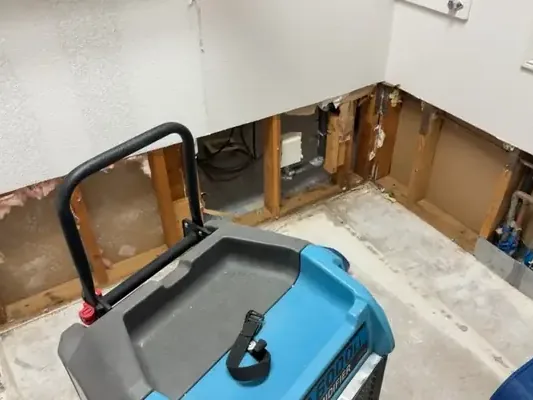
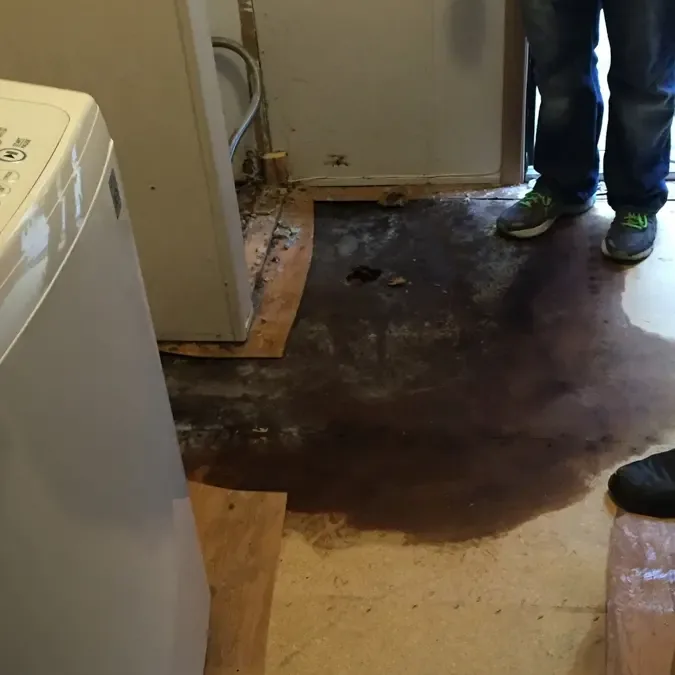
Describe access as well as the water damage
Mount Scott and Scouters Mountain are recognizable local landmarks. For water extraction, the useful details are the property entry arrangements, affected level and any restriction on safe access.
Happy Valley borders Pleasant Valley and Sunnyside. A complete property location and description of the wet rooms help establish the job location and the equipment access needed.
An individual plan for each household
Happy Valley had 8,081 housing units in the 2020 census. Each water loss needs an inspection of the actual rooms, finishes and access conditions before cleanup tasks are selected for the property.
Owner access
Owner occupancy accounted for 78.5% of occupied housing in 2020. For an affected property, establishing authorization early helps coordinate source repair, material access and the cleanup scope.
Rental communication
Renter occupancy was 21.5% in 2020. Tenants and property managers benefit from a shared description of wet rooms, safe access limits and any repairs already requested after discovery.
Water beneath finishes
A floor can appear dry on top while moisture remains below. Assessment should include transitions, cabinet bases and adjoining wall materials wherever the observed water path leads.
Overhead damage
Water above a ceiling can travel before it becomes visible. Stains, sagging finishes and wet insulation require investigation of the source and a safe plan for accessing the cavity.
Building use
Happy Valley had 7,813 households in 2020. Cleanup in an occupied home needs practical separation between the work area, dry belongings and the spaces residents can still use safely.
Housing growth
Rapid growth began in the late 1990s. A home's own construction and alterations determine where wet materials can be inspected and how drying equipment can reach them.
Happy Valley cleanup access
Local reference points
- Mount Scott
- Scouters Mountain
- Southeast Honorable Way
- Pleasant Valley
- Sunnyside
Listed postal area
- 97086
Questions after water enters a home
01Does a small puddle need moisture testing?
A small puddle can sit beside a larger wet area under a floor or behind trim. Testing is useful when water has reached absorbent materials, especially if the duration is unclear or finishes have begun to change shape.
02What information helps with the first call?
Describe the suspected source, which rooms are wet and whether water is still entering. Mention unsafe electricity, sagging ceilings or wastewater before discussing access. The person authorizing cleanup should also explain any tenant or property management arrangements.
03Can belongings stay in the affected room?
Some items can remain if protected and clear of the work. Others need careful relocation to expose wet surfaces or avoid contact with contaminated water. An inventory helps keep track of removed items and the condition in which they were found.
04Is plumbing repair included in drying?
Plumbing repair stops the failed pipe or connection from releasing more water. Drying addresses moisture already absorbed by the building. The estimate should identify responsibility for both tasks and explain how the repair schedule affects safe access to wet materials.
05Why does equipment remain after the floor looks dry?
The visible floor is only part of the building assembly. Wall bases, subflooring and cavities can retain moisture after standing water disappears. Equipment should remain according to measured drying progress, with placement adjusted as the remaining wet areas become clearer.
06Can a tenant arrange an inspection?
A tenant can report the loss and describe the condition of the rooms. Authorization for material removal or other building work needs coordination with the responsible property owner or manager. Keeping photographs and a discovery timeline helps everyone discuss the same damage.
07What happens to materials touched by sewage?
Wastewater exposure changes the removal and cleaning decisions. Absorbent finishes may require disposal, while suitable hard surfaces can be cleaned after contamination is removed. Restricting the area helps prevent people, pets and moved belongings from carrying contamination into otherwise unaffected rooms.
08When can replacement flooring be installed?
Replacement should follow successful drying checks and completion of the source repair. The installer may also have moisture requirements for the new flooring and adhesive. Keeping the drying record available supports a clearer handoff between cleanup work and the planned finish repairs.
09Will the cleanup estimate explain possible changes?
A useful estimate describes the accessible damage and identifies conditions that may require additional work. Wet insulation behind a closed wall is one example. If access reveals more damage, the expanded scope should be documented and discussed before further removal proceeds.
Bring the water path into focus
A clear description of the source, wet rooms and access conditions starts a cleanup plan suited to the affected Happy Valley property.