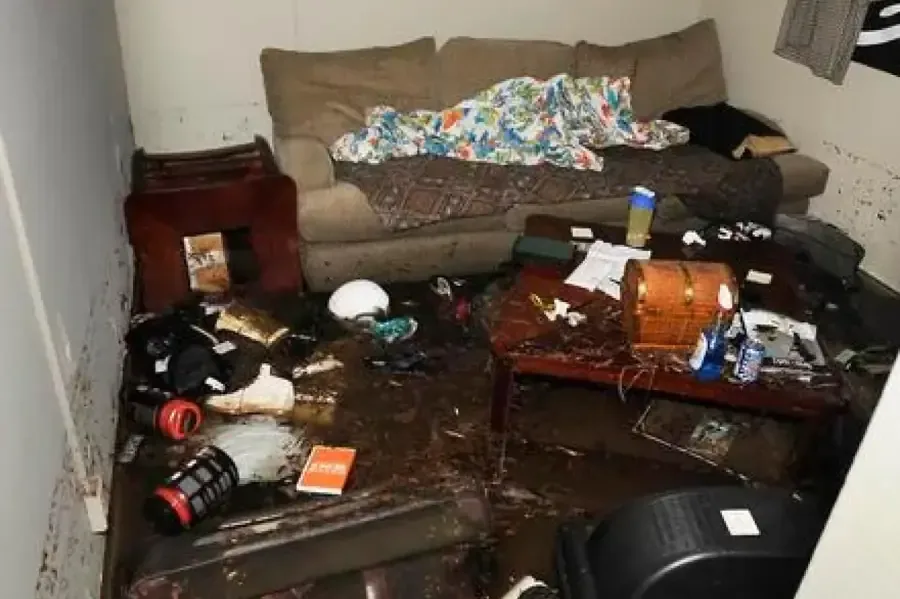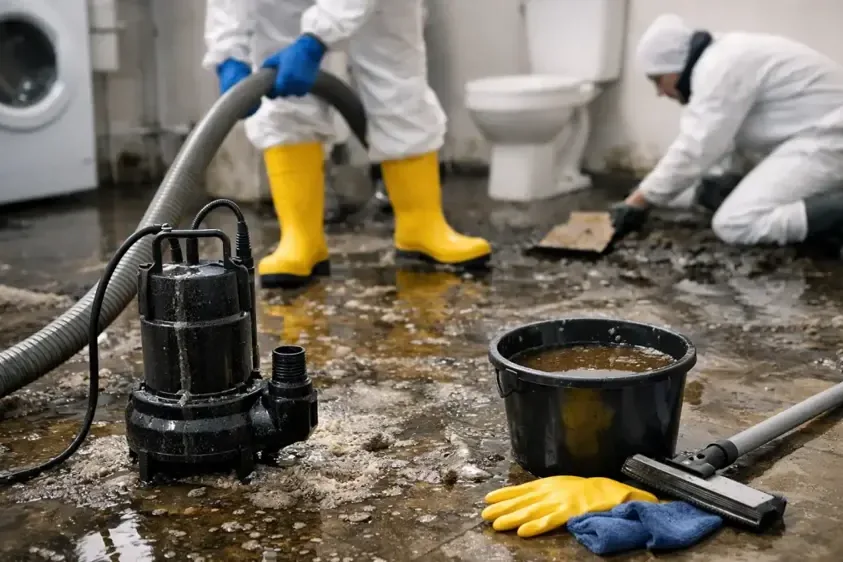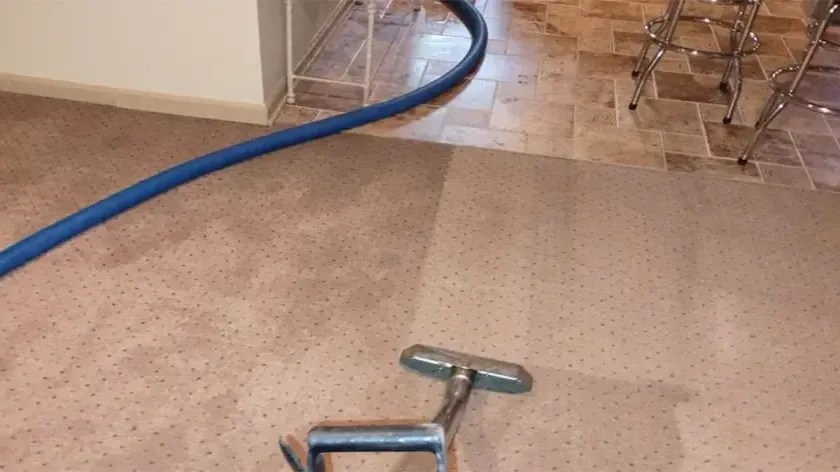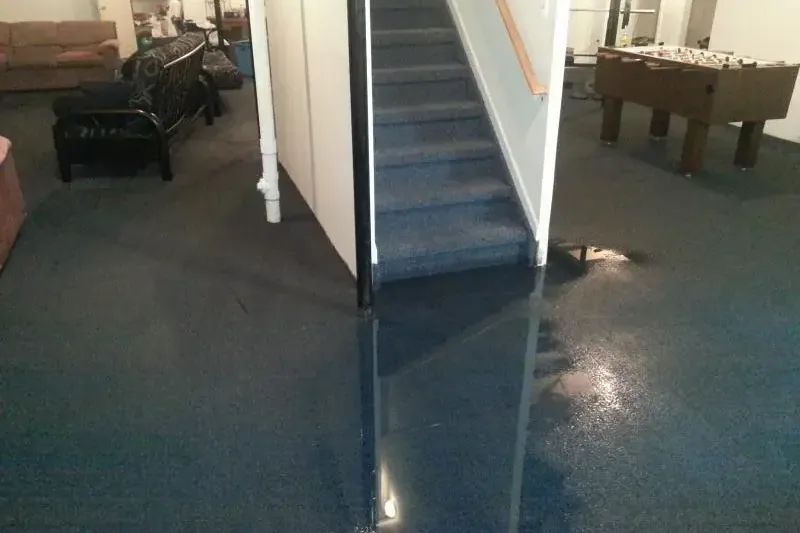
A flooded lower level should not be entered simply because the stairs remain visible. Electrical equipment, water depth and structural conditions can make access unsafe. The assessment also needs to establish where the water came from and whether it is still entering. Removal equipment and pumping decisions follow those conditions, not a one-size instruction to empty the room immediately.
Water source before basement pumping
The Tualatin River and Willamette River are part of West Linn's setting, but a wet basement can also involve plumbing or another source. The city preparedness information identifies topography and rainfall as factors in flood risk. The assessor checks evidence at the building rather than assuming that the nearest water feature caused the loss.
- A continuing supply release needs safe isolation before recovery can hold the water level down.
- Outdoor entry can require contamination controls and assessment of conditions around the structure.
- A drain backup introduces a different cleanup need from a clean supply spill.
- Water behind finished walls may remain after the exposed floor appears clear.
Finished and unfinished spaces need different access
In Willamette Heights, a lower-level assessment records the actual construction. For a property with a basement, the technician checks both the exposed floor and any finished perimeter walls. Where a basement exists, finished wall cavities, stored contents and floor coverings can hide moisture. An unfinished space may offer better visibility but still contain unsafe equipment or inaccessible edges.
The contractor documents the wall and floor assembly before proposing selective removal. Porous materials affected by contaminated water need appropriate disposal decisions. Retained structure then needs an effective evaporation path. A pump can remove standing water without addressing the moisture behind a finished wall or beneath a floor covering.
Verifying the lowest wet materials
The drying team tracks lower wall plates, floor edges and other retained surfaces at marked locations. Humidity control matters because evaporation from a broad wet area adds vapor to the room. Air movement and dehumidification work together, and equipment changes follow the measured response.
The flood cleanup page addresses outdoor-water contamination. Sewage cleanup explains a drain-backup loss. A clear basement scope identifies which source and material conditions apply before the contractor records the final drying result.