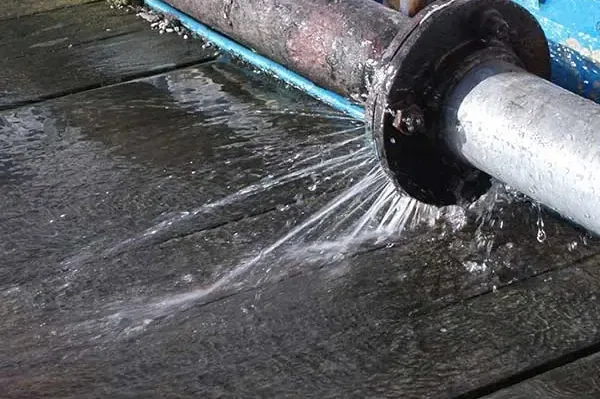
A split supply pipe can continue feeding a loss until the water is isolated. The visible opening may sit behind a wall while water emerges elsewhere through a baseboard or ceiling joint. The cleanup assessment follows the escaped water separately from the plumbing repair. Stopping the leak prevents more damage but leaves existing saturation to address.
Following a pressurized release
Bolton and Sunset are established parts of West Linn, where pipe-loss assessment follows the actual supply route inside each building. The assessor checks the actual failure and water path instead of assuming old galvanized pipe, copper or another system. A repair record can help explain when the release stopped.
- The first wet room may differ from the room containing the failed pipe.
- Water behind baseboards can travel into adjacent floor assemblies.
- Upper-level leakage can affect insulation and ceilings below the source.
- A closed valve should be verified before the extraction plan assumes no further inflow.
Opening only where the evidence leads
In Marylhurst, the mitigation technician maps moisture before selecting access points. The technician checks the wall layout and access points before any selective opening. Thermal imaging can flag temperature differences for closer investigation, while suitable meters help assess material moisture. Neither an image nor a surface touch replaces direct evaluation of a concealed wet layer.
Selective removal may expose soaked insulation or permit airflow behind a finish. The contractor photographs the assembly before changing it and records why an opening is needed. A plumbing access hole can reveal the failed pipe without providing enough access to dry every affected material.
Drying after the pressure stops
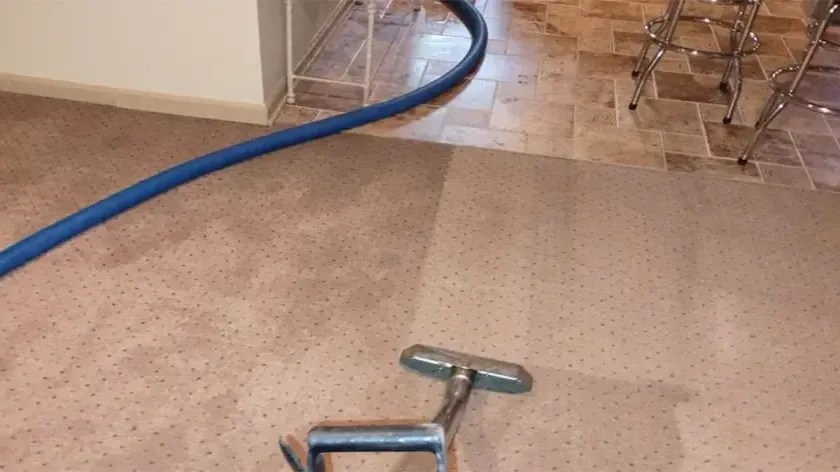
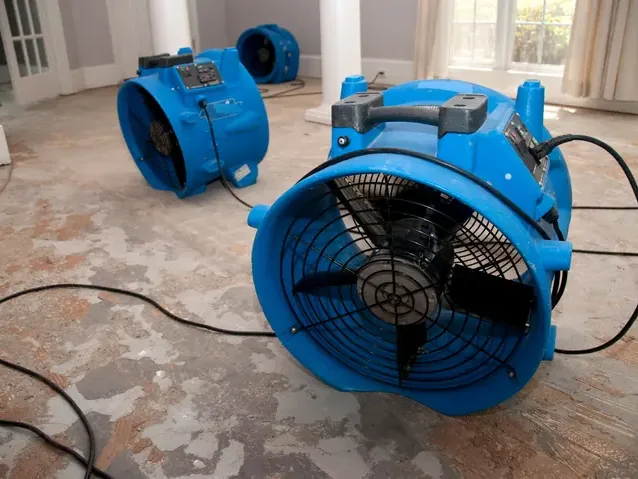
The crew extracts standing water before balancing air movement and dehumidification. Daily checks follow the wet boundary into the rooms that share the floor or wall. Equipment adjustments respond to the remaining load rather than the original puddle size. An apparently small pipe opening can create a broad drying scope if the release ran unnoticed.
The water extraction service covers initial recovery. The structural drying method explains how material readings support completion. The final record separates the pipe repair from the water-damage work and any finish replacement still required.