West Linn Water Damage RestorationWater extraction and structural drying
Outdoor water inside a building

Flood Damage Cleanup in West Linn, OR

Flood damage cleanup in West Linn addresses water that enters from outdoors and leaves sediment behind. The restoration crew assesses contamination, removes unsuitable materials and dries retained structure after safe access, 24/7.

(888) 373-8814Discuss floodwater inside
  • 24/7 flood assessment
  • Sediment and debris removal
  • Retained-structure drying
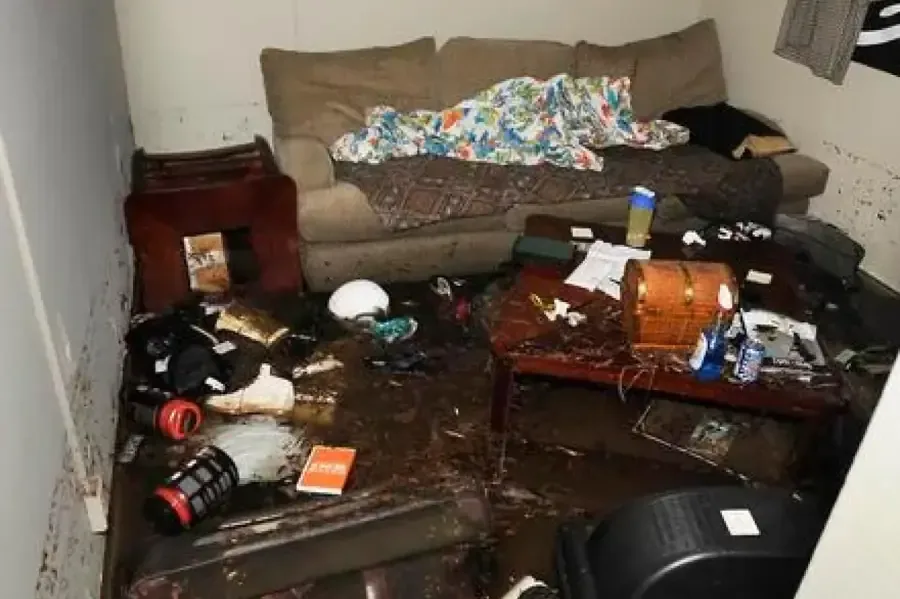
Mud and soaked household belongings across a flood-affected living room
Entry conditionSafe access first
Water sourceOutdoor contamination
Hidden damageWall and floor checks
Finish pointDocumented material goals
First steps

What to do before flood damage cleanup

  1. Wait for safe entry. Residents follow public emergency instructions and avoid flooded roads or buildings with uncertain electrical and structural conditions. Retrieval of contents can wait for clearance.
  2. Keep floodwater separate. Occupants stay out of affected rooms and prevent pets from tracking sediment into dry areas. Contaminants can remain on surfaces after the water recedes.
  3. Photograph from safe ground. Water marks and entry points can help explain the event. The owner should avoid opening unstable walls or walking over damaged flooring to collect images.
  4. Describe the entry route. A 24/7 inquiry should identify outdoor entry, affected levels and any remaining standing water. Those details help the crew plan containment and removal access.

Flood Damage Cleanup assessment

Assess access and contamination
The response team reviews the source, water marks and hazards, then establishes a work boundary that separates cleanup activity from usable rooms.
Extract and clear deposits
The crew recovers accessible water and sediment, documenting debris and affected contents while protecting the route used to move equipment and waste.
Open and clean affected assemblies
The assessor identifies porous materials that cannot remain, and the cleanup team exposes and cleans retained surfaces before controlled drying proceeds.
Measure the retained structure
Moisture readings track framing and other remaining materials. The contractor records drying progress and limitations so reconstruction does not conceal a wet assembly.
How the work proceeds

How flood damage cleanup is handled

  1. 1

    Assess access and contamination

    The response team reviews the source, water marks and hazards, then establishes a work boundary that separates cleanup activity from usable rooms.

  2. 2

    Extract and clear deposits

    The crew recovers accessible water and sediment, documenting debris and affected contents while protecting the route used to move equipment and waste.

  3. 3

    Open and clean affected assemblies

    The assessor identifies porous materials that cannot remain, and the cleanup team exposes and cleans retained surfaces before controlled drying proceeds.

  4. 4

    Measure the retained structure

    Moisture readings track framing and other remaining materials. The contractor records drying progress and limitations so reconstruction does not conceal a wet assembly.

Planning the work

What does flood damage cleanup cost in West Linn, OR?

Flood damage cleanup commonly ranges from $2,000 to $12,000 or more, depending on depth, contamination and the affected building levels. Drying, disposal and access work can make a modest-looking flood more involved.

Limited outdoor entry

$2,000 to $4,000
  • One accessible room
  • Sediment recovery
  • Targeted material removal

Multiple flooded rooms

$4,000 to $8,000
  • More debris handling
  • Wall and floor openings
  • Controlled structural drying

Extensive flood impact

$8,000 to $12,000+
  • Several building levels
  • Large disposal volume
  • Complex retained-material access

The scope reflects water category, affected area, material class and the delay before drying. Compare restoration cost factors.

Floodwater carries a different cleanup burden from a stopped fixture leak. Mud, debris and contaminants can remain after the visible water recedes. The mitigation crew checks the entry route and affected materials before deciding what can stay. Public clearance and property safety determine when indoor work begins.

Flood assessment beside two rivers

The Willamette River and Tualatin River frame West Linn's geography. Their presence is useful context, but a flood diagnosis still requires evidence at the property. Water may enter through a low doorway, a below-grade opening or another route. The city preparedness information emphasizes rainfall, topography and development among the factors that influence risk.

  • Exterior water marks help establish how high the water rose before it receded.
  • Sediment deposits identify cleanup needs beyond ordinary water extraction.
  • Wet insulation and other porous materials need contamination-based decisions.
  • Closed cavities require inspection even when the outside finish begins to dry.

Separating floodwater recovery from ordinary drying

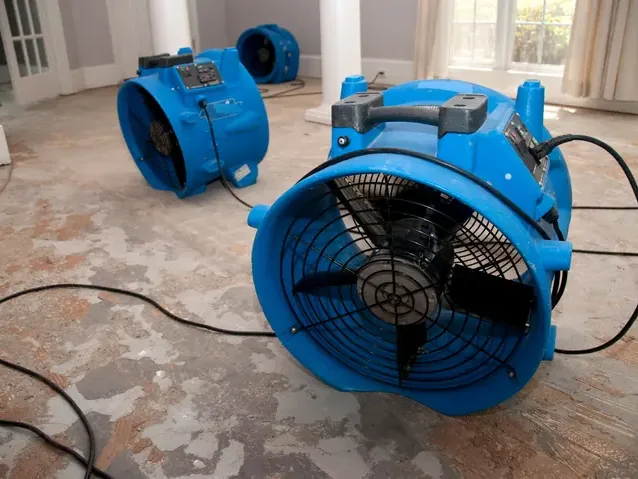
A Cedaroak assessment records the building's specific entry point and affected levels. Official parcel mapping supplies the flood designation, while an inspection checks the affected foundation. The cleanup crew recovers water, removes debris and exposes the materials that require cleaning. Air movers come into the process under suitable contamination controls, after the team evaluates what remains.

Contents also need individual decisions. A hard surface that can be cleaned differs from saturated upholstery or a layered floor assembly. The contractor records disposal recommendations and photographs items before they leave, keeping clean belongings away from the removal path.

A claim record that explains the water source

In Tanner Basin, as elsewhere, an owner needs evidence of the actual event rather than assumptions based on the neighborhood. Initial photographs, the entry route and sediment observations help describe the loss. The insurer determines whether the applicable coverage addresses floodwater or another cause.

The extraction page covers liquid recovery, while structural drying explains retained-material verification. A flood cleanup record should show both the contamination decisions and the moisture measurements that support closing the affected assembly.
Service area

Flood damage cleanup coverage

Water damage restoration covers ZIP 97068, including Bolton, Sunset, Cedaroak, Marylhurst, Hidden Springs and Tanner Basin. The response team checks access and affected building levels before setting up extraction and drying equipment. Nearby town coverage appears on the service-area page.

Neighborhood and town coverage
Next steps

Related restoration services

Questions

Flood Damage Cleanup questions

01Is clear floodwater safe to touch?

Clear-looking floodwater can still contaminate a room. Outdoor water can carry contaminants even without obvious sediment. Occupants should avoid contact while the cleanup team assesses the source, affected materials and protective controls.

02Can drying start before the mud is removed?

Liquid and sediment recovery, material decisions and surface cleaning generally precede ordinary structural drying. Uncontrolled fans can spread contaminants. The contractor sequences equipment around the condition of the work area.

03Does a river nearby mean the home is in a flood zone?

No. A parcel-specific flood designation comes from the applicable official map. Official mapping and the property location need review. The restoration assessment addresses observed water entry and damage rather than assigning a flood designation.

04What should stay for the adjuster?

Safe photographs and an inventory can preserve useful evidence before documented disposal. The owner should coordinate documentation requirements with the insurer and contractor, without keeping contaminated material in an occupied room unnecessarily.

05Is 24/7 cleanup possible while water keeps entering?

An urgent assessment can identify safe controls and immediate needs, but continuing entry or public access restrictions may limit work. The plan follows actual conditions rather than a promised completion time.

06Does standard home insurance cover a flood?

Flood coverage is commonly separate from standard homeowners coverage. The insurer evaluates the event under the actual policy. Source photographs and a clear scope document the entry route, affected materials and proposed cleanup for that review.

24/7 water restoration

Floodwater has receded but materials remain wet

The restoration crew evaluates cleanup and moisture together, with 24/7 assessment for active flood damage.

(888) 373-8814Wet rooms? Call