West Linn Water Damage RestorationWater extraction and structural drying
Rain through the building envelope

Roof Leak Water Damage in West Linn, OR

Roof leak water damage in West Linn can travel through an attic before a ceiling shows a mark. The mitigation team checks insulation, framing and downstream surfaces while roof-source work receives separate attention, 24/7.

(888) 373-8814Discuss rain above the ceiling
  • 24/7 interior-loss assessment
  • Attic moisture tracing
  • Drying after entry control
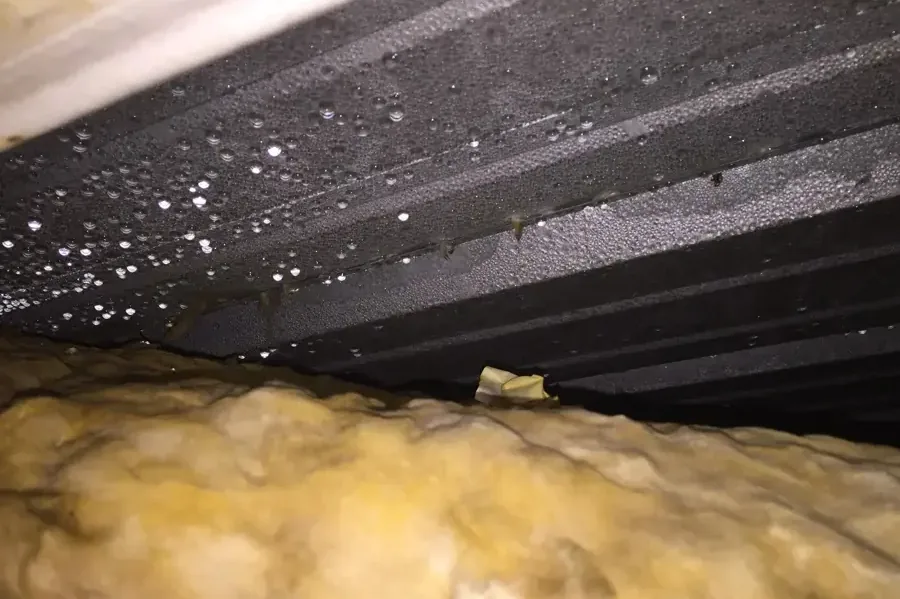
Water droplets beneath roof decking above yellow attic insulation
Entry routeRoof or penetration detail
Concealed storageInsulation and sheathing
Assessment boundaryBeyond the ceiling mark
Repair sequenceEntry control then verification
First steps

What to do before roof leak water damage

  1. Leave roof access to the right trade. Occupants avoid ladders, wet roof surfaces and improvised exterior repairs during unsafe conditions. A qualified roof assessment addresses the opening and access hazards.
  2. Keep clear of attic hazards. The household stays out of a wet attic with uncertain footing or electrical contact. A ceiling stain can be reported without entering the space above it.
  3. Record weather-linked changes. Safe notes about rain timing and new stains help trace the leak. Photographs from the room preserve evidence without disturbing insulation or overhead materials.
  4. Coordinate interior and exterior work. The owner confirms who controls the entry and who dries the affected assembly. A 24/7 mitigation assessment can identify indoor needs while source work is arranged.

Roof Leak Water Damage assessment

Trace the rain route
The assessor follows available evidence from the ceiling toward the roof assembly, recording wet insulation and framing while coordinating with exterior source investigation.
Protect the indoor work area
The crew establishes safe access below affected materials and documents removal needs, avoiding uncontrolled disturbance of wet insulation or unstable ceiling sections.
Dry retained attic materials
Air movement and moisture removal address exposed wet structure after entry control. The team adjusts access when hidden layers cannot release moisture through the existing opening.
Recheck before reconstruction
The technician compares repeat readings and verifies that new rainfall has not renewed the loss. Completion notes distinguish roof repair from interior drying and finish replacement.
How the work proceeds

How roof leak water damage is handled

  1. 1

    Trace the rain route

    The assessor follows available evidence from the ceiling toward the roof assembly, recording wet insulation and framing while coordinating with exterior source investigation.

  2. 2

    Protect the indoor work area

    The crew establishes safe access below affected materials and documents removal needs, avoiding uncontrolled disturbance of wet insulation or unstable ceiling sections.

  3. 3

    Dry retained attic materials

    Air movement and moisture removal address exposed wet structure after entry control. The team adjusts access when hidden layers cannot release moisture through the existing opening.

  4. 4

    Recheck before reconstruction

    The technician compares repeat readings and verifies that new rainfall has not renewed the loss. Completion notes distinguish roof repair from interior drying and finish replacement.

Planning the work

What does roof leak water damage cost in West Linn, OR?

Interior mitigation after a roof leak often ranges from $1,000 to $6,000, separate from roof repair. Wet insulation, overhead access and water migration into walls or floors determine how extensive the drying work becomes.

One localized rain path

$1,000 to $2,200
  • Small ceiling boundary
  • Accessible insulation checks
  • Limited equipment setup

Attic and ceiling saturation

$2,200 to $4,200
  • Selective insulation removal
  • Retained framing drying
  • Protected room below

Multiple interior assemblies

$4,200 to $6,000+
  • Water beyond one cavity
  • Additional wall or floor checks
  • More complex drying access

The scope reflects water category, affected area, material class and the delay before drying. Compare restoration cost factors.

A roof leak can enter at one detail and emerge in a room somewhere else. Framing, insulation and the underside of roof materials can redirect rain before it reaches the ceiling. The restoration assessor traces that path, while qualified roof personnel identify and address the exterior opening. Interior drying cannot substitute for a continuing entry repair.

Rain evidence and the roof-to-room path

In Marylhurst, an owner may report a stain that appears only during rain. That timing helps the investigation without proving which roof component failed. Cedaroak and Hidden Springs properties need the same building-specific checks. The inspection follows the actual roof assembly and attic access, with photographs of the wet route before materials move.

  • Drip timing can indicate weather-related entry but still needs source confirmation.
  • Wet insulation can conceal the route between the opening and the ceiling stain.
  • Framing contact may spread water sideways before gravity brings it into the room.
  • Photos before temporary protection help preserve the original evidence for the job record.

Drying does not replace roof repair

The roof trade evaluates the envelope and safe exterior access. The mitigation crew assesses the interior consequence: water in sheathing, framing, insulation and finishes. The written agreements should make those responsibilities clear. A temporary measure may reduce new entry, but the contractor still needs to verify that continued rainfall is not rewetting the assembly.

Access inside the attic can also be restricted by framing, electrical equipment and damaged walking surfaces. Occupants should avoid climbing into a wet attic to chase a drip. The technician chooses safe inspection positions and explains where selective removal from below provides a better drying route.

Checking the repaired interior assembly

West Linn homeowners need more than a dry ceiling face before replacement work closes the cavity. The drying team tracks retained wood and other wet layers, adjusting airflow and dehumidification as conditions change. Insulation that cannot remain receives documented removal rather than an attempt to hide it behind a new finish.

The ceiling leak page covers overhead material safety. Storm water mitigation addresses losses with more than one weather-entry route. The final drying notes should identify the materials checked and any areas still inaccessible to verification.

Service area

Roof leak water damage coverage

Water damage restoration covers ZIP 97068, including Bolton, Sunset, Cedaroak, Marylhurst, Hidden Springs and Tanner Basin. The response team checks access and affected building levels before setting up extraction and drying equipment. Nearby town coverage appears on the service-area page.

Neighborhood and town coverage
Questions

Roof Leak Water Damage questions

01Does the ceiling stain sit directly below the roof opening?

Not always. Water can travel along framing or through insulation before reaching the room. The assessor follows the moisture route, and the roof trade evaluates the exterior source rather than relying on the stain alone.

02Is interior drying useful before roof repair?

An assessment and safe loss-control measures may begin, but continuing entry can rewet materials. The contractor coordinates drying with source protection or repair and checks whether the assembly remains exposed to new rainfall.

03Can attic insulation dry without removal?

The decision depends on the insulation, contamination, saturation and access. Material that cannot dry effectively or remain suitable needs removal. The contractor records the condition and explains the choice before closing the cavity.

04Should occupants climb into the attic to photograph the leak?

A wet attic can have unsafe footing and electrical hazards. Occupants should provide observations from safe locations and leave difficult access to qualified personnel. Photos are useful only when collecting them does not add risk.

05What details help a 24/7 roof-loss assessment?

The caller describes active rain, visible drips, sagging material and affected rooms or levels. Any completed temporary protection should be mentioned so the assessor can distinguish ongoing entry from retained moisture.

06How does the owner know the interior is ready to repair?

The drying record identifies tested materials, reference readings and remaining access limitations. Roof-source work and interior moisture verification both matter before insulation and finishes conceal the affected area again.

24/7 water restoration

A roof repair stops rain but leaves a drying decision

The 24/7 restoration assessment checks insulation and framing before the repaired ceiling closes the cavity.

(888) 373-8814Wet rooms? Call