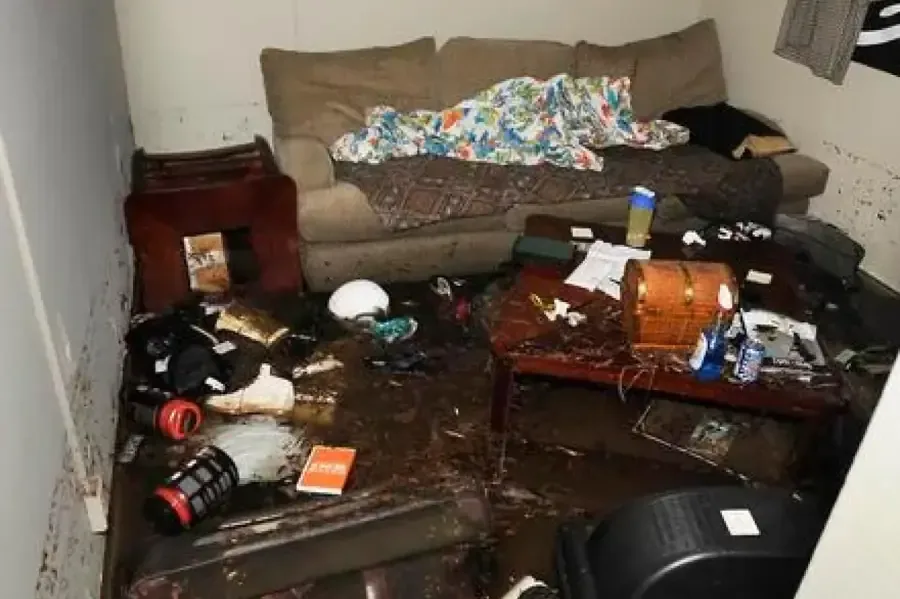
A shallow pool can conceal a wider loss. Water runs beneath cabinet kicks, under floating floors and into the bottom edge of drywall. The extraction crew follows that path instead of stopping where the visible puddle ends. Removing liquid water promptly also reduces the moisture that dehumidifiers must process later.
Water extraction starts with the source
West Linn lies between the Willamette River and Tualatin River, but a wet interior does not automatically indicate river flooding. A fixture supply, appliance discharge and outdoor water entry require different handling. The assessment records the source and contamination before anyone selects a recovery method. A clear-looking puddle still needs that review.
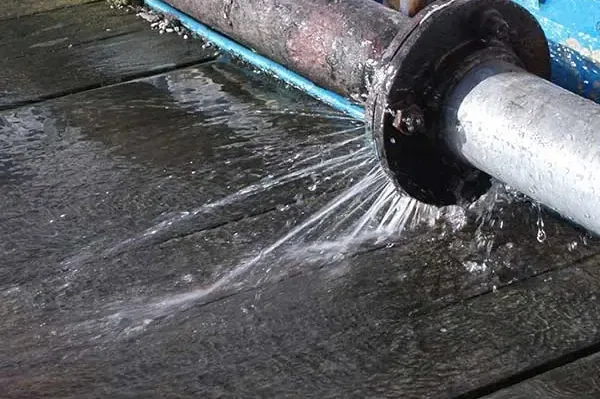
- Pressure-fed leakage requires a safe shutoff before removal can hold the room dry.
- Outdoor floodwater needs contamination controls and evaluation of porous materials.
- Water beneath a finish floor can remain after the exposed surface looks clear.
- Wet electrical equipment requires qualified clearance before powered tools enter the area.
Removal tools follow the room
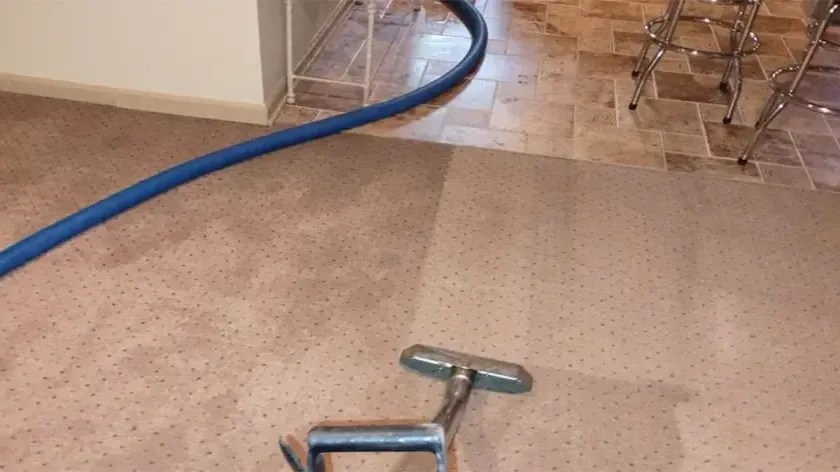
In Bolton, the crew checks the affected rooms and access route before positioning hoses. A pump handles pooled depth; a floor wand recovers shallower water; a weighted extractor may improve recovery from salvageable carpet. Those choices depend on the building and material condition, not the neighborhood name. Occupants should avoid a household vacuum on standing water.
The technician checks adjacent dry-looking rooms as well. A continuous floor covering may carry water through a doorway, while cabinetry hides the edge of the affected area. Photographs and initial readings record these boundaries before furniture moves or floor coverings lift.
Extraction leads into material drying
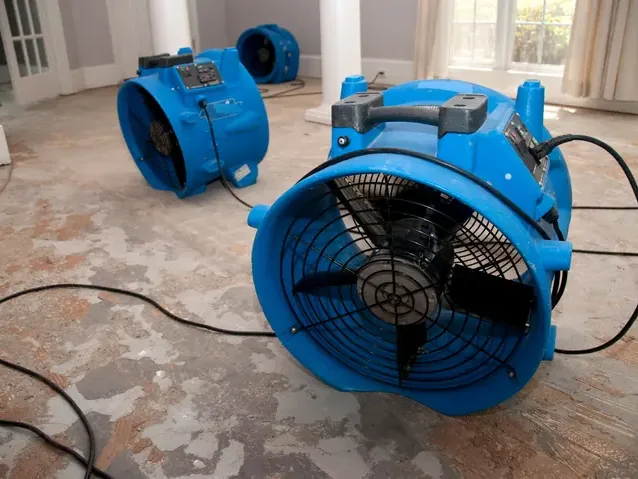
Sunset properties receive the same room-by-room verification of remaining moisture. The drying team places airflow where evaporation occurs and dehumidification where it can remove that vapor. The subfloor needs its own moisture reading after the first extraction pass. Follow-up readings show whether trapped moisture remains.
The structural drying process explains that next stage. The restoration cost calculator helps compare area and material factors before a written scope. Equipment stays in service until the documented drying goal supports removal.