West Linn Water Damage RestorationWater extraction and structural drying
Moisture beneath floor finishes

Slab Leak Water Damage in West Linn, OR

A suspected slab leak in West Linn needs a source check before floor repairs. The mitigation team traces damp boundaries, removes accessible water and plans drying around the plumbing investigation, with 24/7 response.

(888) 373-8814Discuss water beneath flooring
  • 24/7 moisture assessment
  • Floor and wall mapping
  • Drying after source control
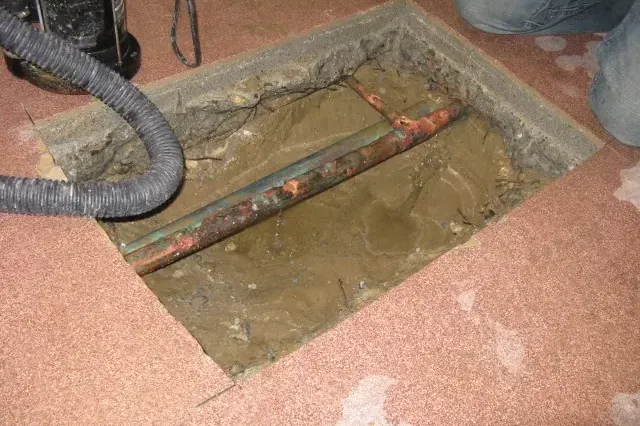
Exposed copper pipe in a concrete-floor trench beside a vacuum hose
DiagnosisSource testing first
Moisture routeSlab and finish layers
Drying targetMaterial-specific readings
Work recordPre-opening photos
First steps

What to do before slab leak water damage

  1. Limit the suspected release. The household stops unnecessary water use and arranges source isolation. Only an accessible shutoff reached without crossing wet electrical equipment should be operated.
  2. Protect the wet boundary. Occupants keep traffic and stored items off lifting floor sections. Covering the damp area with rugs or boxes can conceal changes that matter during assessment.
  3. Photograph before access. The technician documents seams, wall bases and visible staining before any flooring lifts. Original-condition images help explain why a particular opening became necessary.
  4. Separate the work decisions. The property owner asks for distinct descriptions of plumbing diagnosis, access, drying and finish replacement. Each stage depends on the findings from the previous stage.

Slab Leak Water Damage assessment

Locate the affected assembly
The assessor maps moisture through flooring and adjacent walls, noting fixtures and water-use patterns that the plumbing investigation needs to evaluate.
Expose trapped moisture selectively
After source control, the mitigation crew determines whether floor layers can dry in place or need limited removal to release water and permit readings.
Manage evaporation carefully
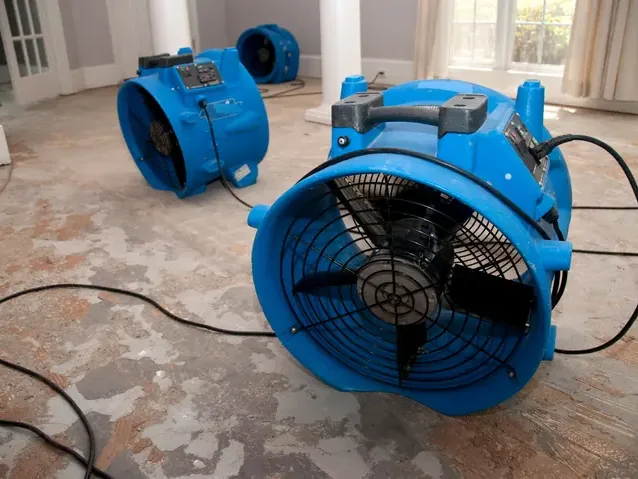
Air movers and dehumidifiers maintain a controlled environment around exposed materials. The drying team adjusts the setup when a sealed layer or dense material slows progress.
Document readiness for finishes
Final records identify the tested materials, reference conditions and remaining limitations. Replacement-floor requirements receive separate review before adhesives or coverings seal the surface.
How the work proceeds

How slab leak water damage is handled

  1. 1

    Locate the affected assembly

    The assessor maps moisture through flooring and adjacent walls, noting fixtures and water-use patterns that the plumbing investigation needs to evaluate.

  2. 2

    Expose trapped moisture selectively

    After source control, the mitigation crew determines whether floor layers can dry in place or need limited removal to release water and permit readings.

  3. 3

    Manage evaporation carefully

    Air movers and dehumidifiers maintain a controlled environment around exposed materials. The drying team adjusts the setup when a sealed layer or dense material slows progress.

  4. 4

    Document readiness for finishes

    Final records identify the tested materials, reference conditions and remaining limitations. Replacement-floor requirements receive separate review before adhesives or coverings seal the surface.

Planning the work

What does slab leak water damage cost in West Linn, OR?

Slab leak water-damage drying often ranges from $1,200 to $6,000, excluding pipe repair and replacement flooring. Access restrictions, wet finish layers and the extent of adjacent wall damage change the mitigation scope.

Limited finish damage

$1,200 to $2,500
  • Small damp floor section
  • Accessible perimeter readings
  • Controlled room drying

Trapped floor moisture

$2,500 to $4,500
  • Selective floor opening
  • Wet underlayment removal
  • Extended material monitoring

Multiple affected layers

$4,500 to $6,000+
  • Several rooms involved
  • Cabinet or wall-base access
  • Detailed completion testing

The scope reflects water category, affected area, material class and the delay before drying. Compare restoration cost factors.

A damp floor over concrete needs source testing to distinguish a buried pipe leak from other water entry. Water may come from a nearby fixture, exterior entry or another concealed route. The restoration assessment records the visible pattern and moisture readings while qualified plumbing personnel investigate the source. Flooring decisions should follow those findings.

Slab moisture inspection in Cedaroak

West Linn lies between the Tualatin River and Willamette River. At a wet property, the inspection checks for outdoor entry as well as plumbing leakage before opening a concrete floor. The technician compares the timing of wetness, supply use and nearby fixtures. A warm patch, lifted finish or persistent damp edge calls for testing to identify the actual source.

  • Meter observations may support a plumbing investigation when water use is controlled.
  • Moisture readings show where the finish and adjacent wall base are affected.
  • Photographs record floor seams, discoloration and existing damage before access openings.
  • A written scope separates leak access, pipe repair, drying and replacement finishes.

Floor layers and wall bases in Marylhurst

In Cedaroak, the mitigation crew traces dampness across the floor assembly. Nearby Marylhurst and Hidden Springs also receive material-specific checks of wet flooring and adjacent wall bases. An impermeable finish may limit evaporation even after the pipe repair stops the release. Underlayment, adhesive and nearby wood trim need individual assessment. Selective access can expose trapped water while preserving material that remains sound.

The drying team tracks the environment and floor condition together. Dehumidification lowers the vapor load, but it cannot make a sealed wet layer accessible by itself. Readings and observations determine whether the initial plan needs a different airflow path or additional opening.

Drying verification in Hidden Springs

Tanner Basin homeowners need a material-specific completion record before a floor closes over the affected area. A dry wall face is not a substitute for appropriate testing of the floor assembly. The contractor coordinates the restoration findings with the requirements of the replacement finish and adhesive.

The structural drying page describes verification, while water extraction addresses pooled water above the slab. Moisture records and an itemized scope help a property owner distinguish necessary drying from later finish work.
Service area

Slab leak water damage coverage

Water damage restoration covers ZIP 97068, including Bolton, Sunset, Cedaroak, Marylhurst, Hidden Springs and Tanner Basin. The response team checks access and affected building levels before setting up extraction and drying equipment. Nearby town coverage appears on the service-area page.

Neighborhood and town coverage
Next steps

Related restoration services

Questions

Slab Leak Water Damage questions

01Does a damp concrete floor confirm a slab leak?

No. The pattern may involve a supply pipe, fixture overflow or exterior water. Moisture mapping locates affected material; a qualified plumbing investigation establishes whether a buried pipe is responsible.

02Does drying include pipe repair?

A mitigation scope describes water removal and material drying. Leak detection, access and pipe repair may involve separate work. The property owner should review who performs each task and how the stages fit together.

03Must all flooring come out?

The answer depends on contamination, bond condition and whether trapped layers can release moisture. The assessor documents the affected assembly and explains selective removal before proposing complete replacement.

04Can a room dry with the floor covering intact?

Some assemblies allow useful drying from exposed edges; others trap moisture beneath an impermeable finish. Daily readings test progress. A stalled result prompts reassessment of access instead of simply adding more fans.

05What helps an urgent 24/7 assessment?

The household can describe where dampness first appeared, whether water use changed and which rooms share the floor. Nobody needs to lift flooring or open a wall before the source and hazards are assessed.

06When can the new floor go down?

The restoration record must support the drying goal, and the replacement product may require its own moisture tests. The installer evaluates those requirements before sealing the assembly with flooring or adhesive.

24/7 water restoration

A repaired pipe can leave a wet floor assembly

A 24/7 restoration assessment separates the leak from the remaining moisture and identifies the next material checks.

(888) 373-8814Wet rooms? Call