West Linn Water Damage RestorationWater extraction and structural drying
Wet overhead materials

Ceiling Leak Water Damage in West Linn, OR

Ceiling leak water damage in West Linn requires attention to overhead stability and electrical contact. The restoration technician traces moisture above the stain, assesses wet insulation and plans safe access for drying, 24/7.

(888) 373-8814Discuss the wet ceiling area
  • 24/7 ceiling assessment
  • Overhead safety checks
  • Cavity moisture verification
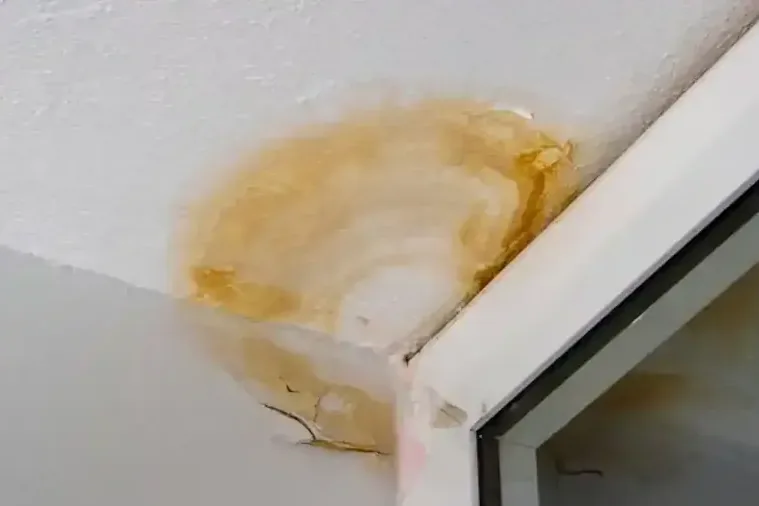
Yellow moisture stain extending across the corner of a ceiling
Immediate hazardSagging overhead material
Source investigationAbove the visible stain
Drying accessAssessed cavity openings
Completion checkFraming and retained finishes
First steps

What to do before ceiling leak water damage

  1. Stay out from under sagging drywall. Occupants move away from bulging or cracked overhead material and keep the area closed. A bucket should not require standing beneath an unstable section.
  2. Avoid wet electrical fixtures. The household leaves lights, fans and switches alone when water contact is possible. Qualified personnel assess electrical safety before equipment or ceiling work begins.
  3. Describe the space above. A caller can identify an upper bathroom, attic or known pipe route without entering it. The 24/7 assessment uses those observations to plan source checks.
  4. Preserve the overhead evidence. Safe photos of stains and drips help document the initial pattern. Occupants should not puncture the ceiling, remove insulation or paint over the mark before assessment.

Ceiling Leak Water Damage assessment

Evaluate overhead conditions
The response technician checks ceiling integrity and electrical concerns, establishing a safe work area below before tracing the source and moisture boundary.
Document and open selectively
The crew photographs the original condition, protects the room and removes unsuitable ceiling or insulation material where the assessment shows access is necessary.
Dry accessible retained materials
Airflow reaches wet framing and cavity surfaces while dehumidification controls vapor in the room. The setup avoids directing uncontrolled air through contaminated material.
Verify the cavity before closure
Repeated material readings establish progress beyond the visible stain. The final record supports the decision to replace insulation and ceiling finishes or identifies remaining limitations.
How the work proceeds

How ceiling leak water damage is handled

  1. 1

    Evaluate overhead conditions

    The response technician checks ceiling integrity and electrical concerns, establishing a safe work area below before tracing the source and moisture boundary.

  2. 2

    Document and open selectively

    The crew photographs the original condition, protects the room and removes unsuitable ceiling or insulation material where the assessment shows access is necessary.

  3. 3

    Dry accessible retained materials

    Airflow reaches wet framing and cavity surfaces while dehumidification controls vapor in the room. The setup avoids directing uncontrolled air through contaminated material.

  4. 4

    Verify the cavity before closure

    Repeated material readings establish progress beyond the visible stain. The final record supports the decision to replace insulation and ceiling finishes or identifies remaining limitations.

Planning the work

What does ceiling leak water damage cost in West Linn, OR?

Ceiling leak mitigation often ranges from $900 to $5,500, excluding source repair and new finishes. Overhead access, wet insulation, electrical clearance and the extent of cavity saturation determine the restoration scope.

Small ceiling area

$900 to $2,000
  • Limited wet boundary
  • Accessible source route
  • Targeted material checks

Ceiling and insulation loss

$2,000 to $3,800
  • Protected overhead removal
  • Exposed framing drying
  • Multiple monitoring locations

Cavity and wall spread

$3,800 to $5,500+
  • Larger access openings
  • Water entering wall cavities
  • More equipment and protection

The scope reflects water category, affected area, material class and the delay before drying. Compare restoration cost factors.

A ceiling stain is often the end of a water route rather than its beginning. Water can cross the top of drywall, follow a framing member or collect around a penetration before it drips. The assessment looks above and beyond the visible mark while keeping people out from under unstable material. A small stain can conceal wet insulation.

Safety sets the ceiling inspection boundary

For a leak in Sunset, the technician first evaluates bulging drywall and nearby light fixtures. A similar stain in Bolton or Willamette Heights may come from a different source. The technician identifies whether the room above contains a bathroom, attic access or a concealed pipe route. The source investigation follows the actual building layout and reported timing.

  • Sagging material can release suddenly and should not be punctured by an occupant.
  • Water at a light fixture requires electrical assessment before nearby work begins.
  • Insulation above the finish can hold moisture against framing.
  • A stain that stops growing can still conceal an assembly that remains wet.

Selective removal makes the wet cavity accessible

The mitigation contractor records the ceiling condition before opening it. Removal decisions depend on material integrity, contamination and access to trapped moisture. Sound retained material may be dried, while saturated or damaged sections can require removal. The contractor explains the boundary and protects the room below during overhead work.

Opening one drain point does not provide a complete inspection. The technician maps moisture outward from the source route and checks where water may have entered a wall. A repaired fixture above can stop new leakage without changing the condition of insulation or framing already saturated.

Ceiling drying before a new finish

West Linn ceiling repairs should follow a record of the retained assembly. The drying team controls room humidity, directs airflow to accessible wet material and repeats readings at marked locations. A dry face on the remaining drywall is only one observation. Framing and adjoining cavities can determine whether work is ready to close.

The roof leak assessment addresses rain entering from above the building envelope. The burst pipe cleanup page explains a pressure-fed source. Identifying the correct cause keeps the ceiling drying scope separate from the repair that stops further water.
Service area

Ceiling leak water damage coverage

Water damage restoration covers ZIP 97068, including Bolton, Sunset, Cedaroak, Marylhurst, Hidden Springs and Tanner Basin. The response team checks access and affected building levels before setting up extraction and drying equipment. Nearby town coverage appears on the service-area page.

Neighborhood and town coverage
Next steps

Related restoration services

Questions

Ceiling Leak Water Damage questions

01Should a bulging ceiling be punctured?

Occupants should stay clear and leave unstable overhead materials for qualified assessment. Puncturing a bulge can trigger an uncontrolled release or collapse, especially near wiring and fixtures. The crew establishes protection before opening the assembly.

02Does a dry stain mean the cavity is dry?

No. The visible face may dry before insulation and framing above it. The restoration technician checks retained materials and follows readings over time rather than relying on stain color or surface touch.

03Can ceiling drywall be saved?

Condition, contamination and access determine the decision. Sound material may remain when an effective drying path exists. Sagging, damaged or unsuitable sections require removal, with photographs and a clear explanation of the boundary.

04Who fixes the source above the ceiling?

A plumbing, roof or other source repair may require a separate trade. The owner should confirm responsibility for that work and coordinate it with overhead access, water removal and material drying.

05What helps a 24/7 ceiling request?

The caller notes sagging, active drips, nearby electrical fixtures and the room above. Safe observations are enough; nobody should enter an unstable attic or stand under damaged drywall to provide more detail.

06When can the ceiling be painted?

Painting follows source control, material assessment and any required drying or replacement. Sealing a stain too early can conceal retained moisture. The completion record should describe the condition behind the repaired surface.

24/7 water restoration

Water above the room needs a safe access plan

A 24/7 restoration assessment separates overhead hazards from the source repair and the retained-material drying work.

(888) 373-8814Wet rooms? Call