Sherwood Water Damage Restoration
A soaked floor needs a clear next step. Restoration in Sherwood starts with identifying the water source, checking safe access and deciding which materials need extraction, cleaning or controlled drying before repairs begin.
(888) 373-8814Discuss the wet rooms- Source focused assessment
- Measured material drying
- Sewage cleanup planning
The initial conversation covers where water appeared, whether it continues entering and which occupied spaces need protection from further damage.
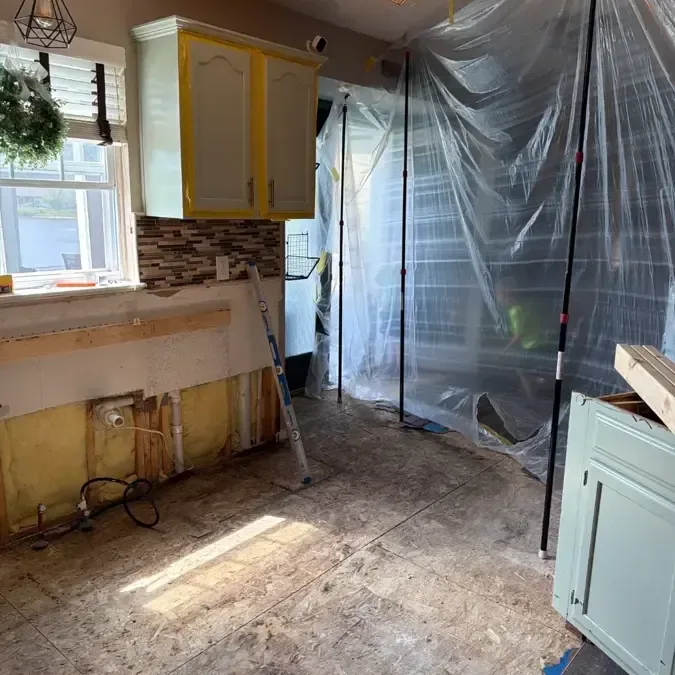
Make the affected space safer first
- Keep access clear. Occupants should avoid water near electrical equipment and leave rooms with unstable ceilings until qualified help evaluates the hazards.
- Identify ongoing flow. A reachable shutoff can limit an indoor supply leak when the route and valve remain dry and safe to access.
- Notify the responsible party. Tenants should alert the property manager and describe the affected rooms so entry permission and repair decisions can be arranged.
- Record visible changes. Photographs from a dry position can capture water depth, staining and damaged belongings without disturbing contaminated or unstable materials.
- Describe the source. The cleanup discussion should include rainfall, fixture use or equipment operation immediately before the first signs of water appeared.
Different leaks need different cleanup decisions
The source and travel path determine the work. These services address specific wet materials, from a small appliance release to contamination across a lower room.
 Water ExtractionRecover standing water from accessible rooms, then inspect carpet backing and floor edges where the remaining moisture collects.
 Flood Damage CleanupRemove sediment and contaminated porous materials after outdoor water enters, with cleaning planned before drying equipment is positioned.
 Storm Water DamageSeparate rain entry through the building from runoff at doors so each wet assembly receives the appropriate treatment.
 Slab Leak Water DamageInvestigate damp flooring over concrete and coordinate pipe repair with moisture assessment beneath finishes that hide the release.
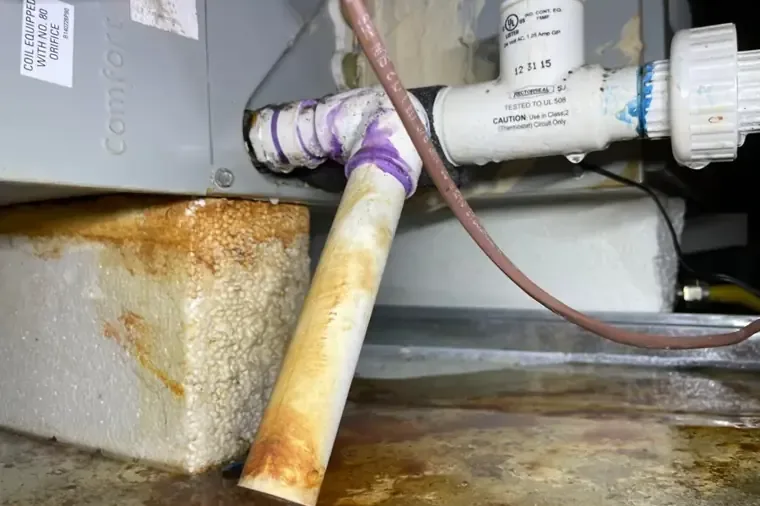 AC Condensate Leak CleanupAddress overflow around cooling equipment, including wet insulation and ceiling surfaces below a blocked or damaged condensate drain.
 Water Heater Leak CleanupContain tank water and examine nearby wall bases, flooring and stored items before replacement equipment covers the area.
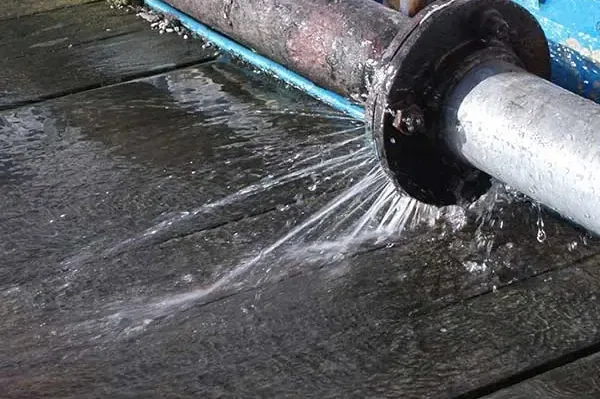 Burst Pipe CleanupFollow pressurized water through connected cavities after the supply is isolated, keeping plumbing repair and material drying coordinated.
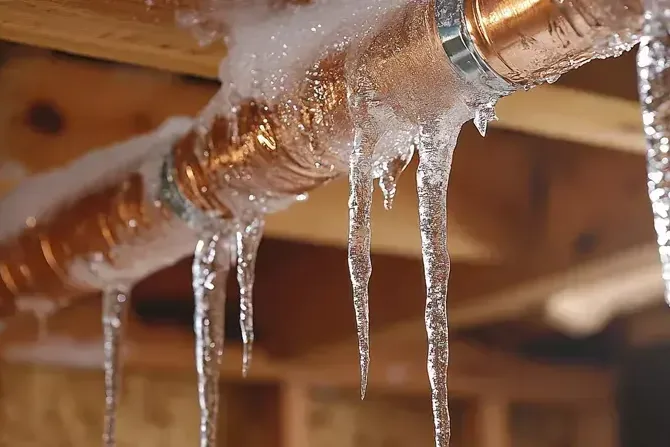 Frozen Pipe Water DamageAssess damage revealed during thawing and monitor additional pipe sections while saturated finishes receive a separate cleanup plan.
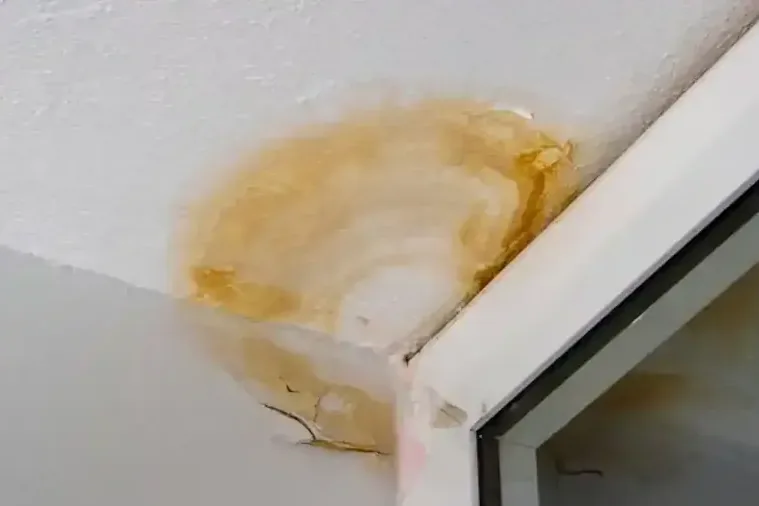 Ceiling Leak Water DamageEvaluate sagging panels and trace the source above the stain before deciding how much overhead material needs removal.
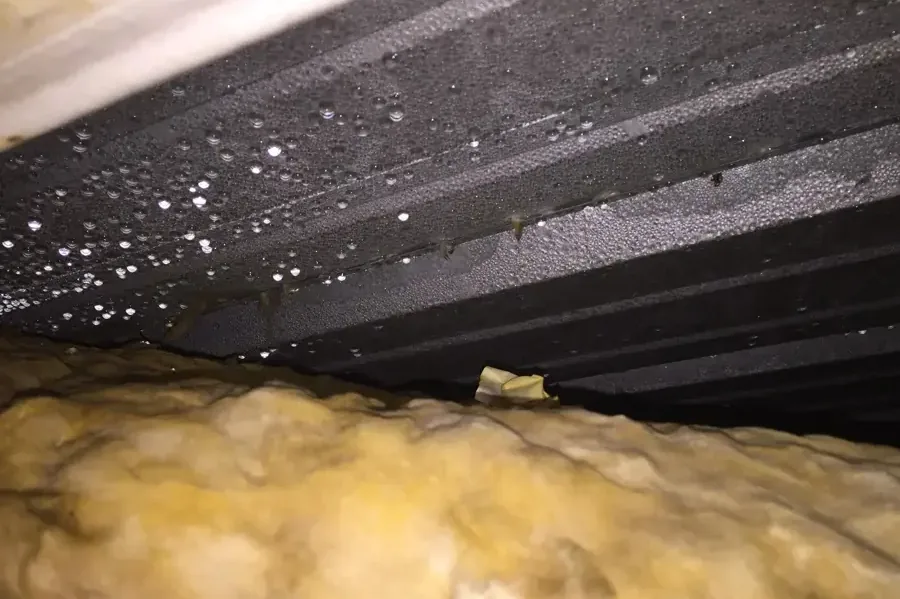 Roof Leak Water DamageTrack roof entry into insulation and framing, with safe weather protection coordinated ahead of interior drying and finish repairs.
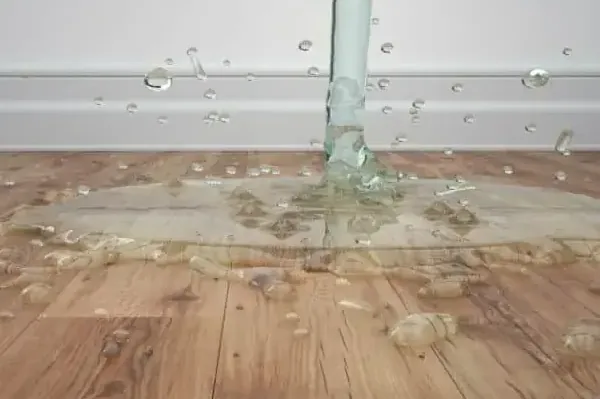 Appliance Leak Water DamageLook beneath cabinet bases and equipment recesses after a hose or drain failure spreads water beyond the visible puddle.
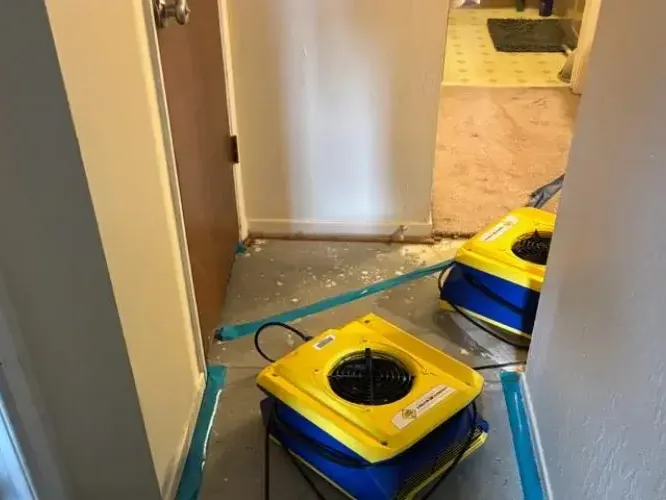
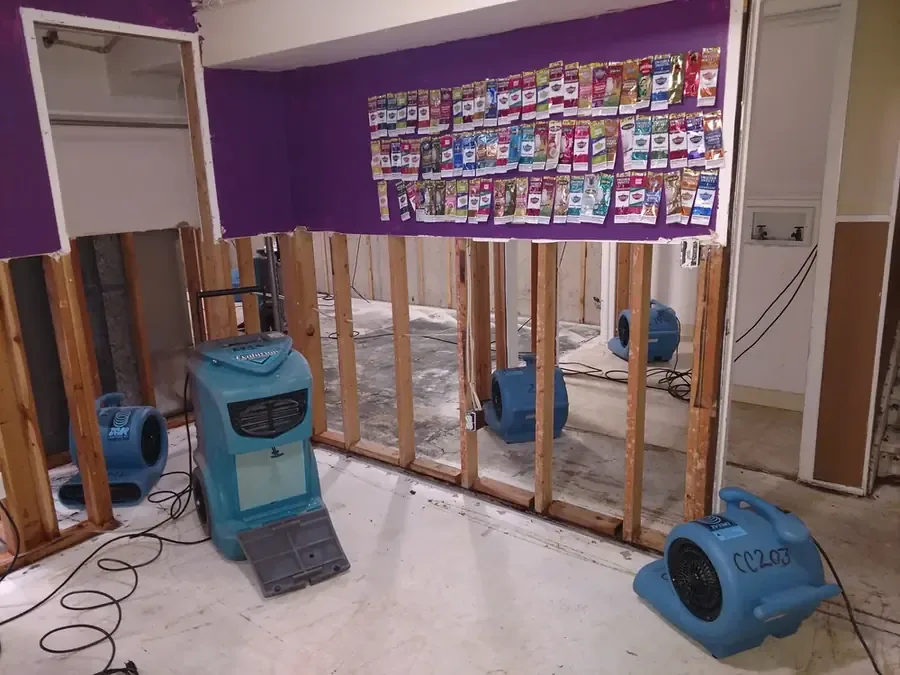
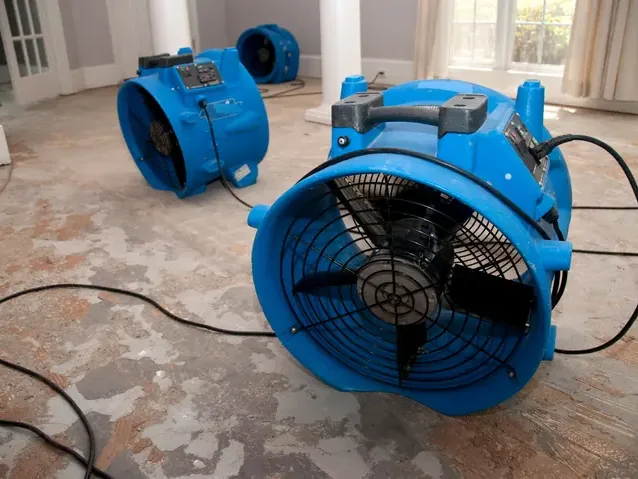 Structural DryingUse material readings to adjust airflow and dehumidification until retained assemblies reach suitable conditions for the planned repairs.
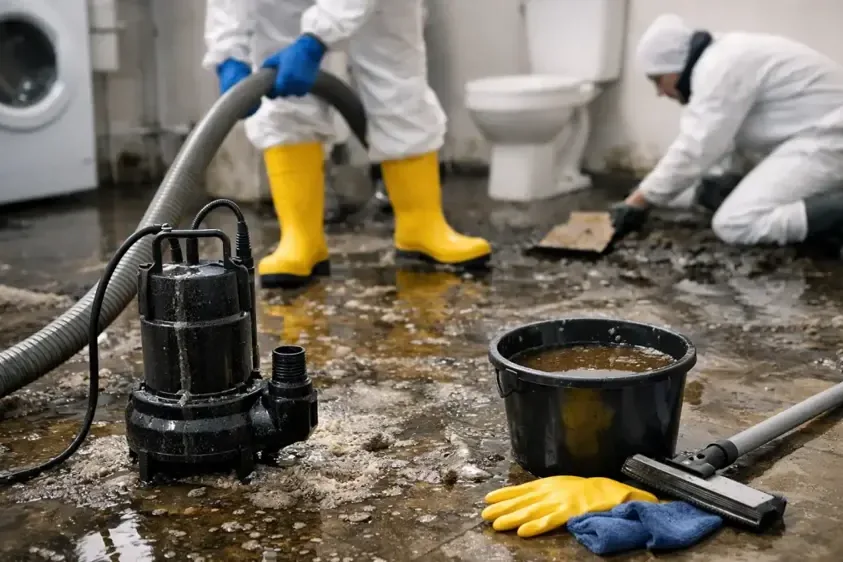 Sewage Backup CleanupRestrict access to wastewater, remove affected absorbent materials and clean retained surfaces before evaluating the remaining drying work.
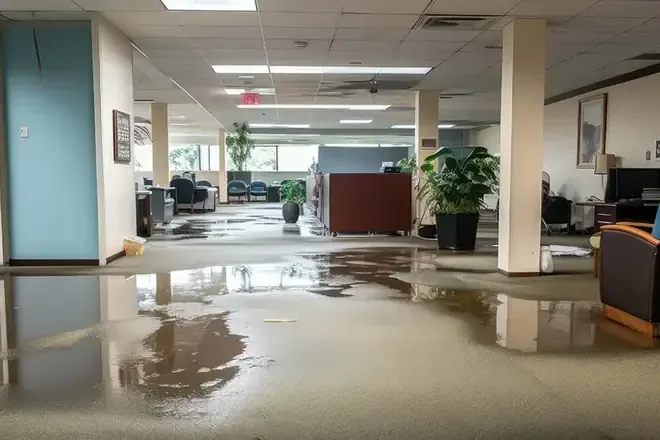 Commercial Water DamageOrganize wet work areas around occupancy, stock protection and authorized access so the recovery scope matches business operations.
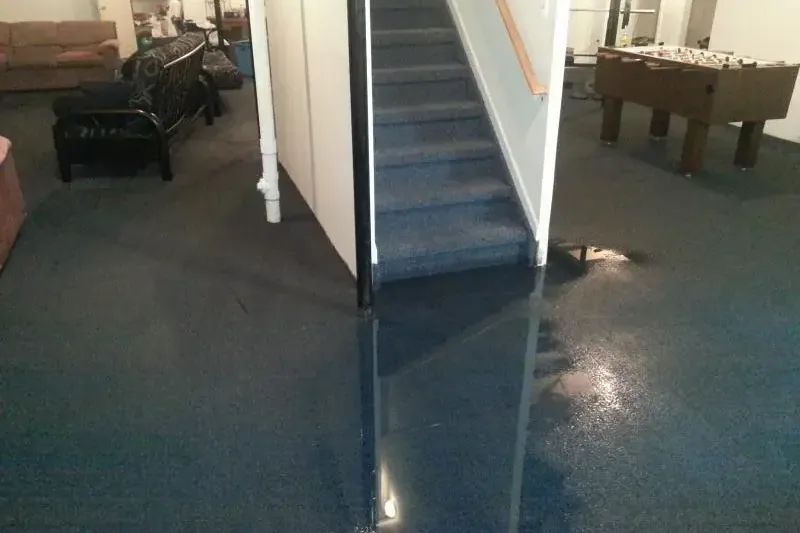 Basement Water RemovalPlan safe pumping for an affected basement, then assess wall bottoms, stairs and stored contents exposed to the water.
A drying plan needs visible milestones
A room can look better while hidden layers remain wet. Useful restoration records connect each removal decision, equipment adjustment and repair recommendation to the condition of the materials.
Defined wet boundary
Moisture checks extend beyond the obvious puddle, giving the owner a clearer picture of affected wall bases, adjoining rooms and concealed floor layers.
Access agreed early
Occupied homes need workable routes around hoses and equipment. The responsible property party should understand room restrictions and the access needed for repeated checks.
Material specific decisions
Carpet, drywall and dense wood respond differently to water. Cleaning and retention decisions account for contamination, physical damage and the ability to dry each assembly.
Documented next stage
The handoff should distinguish completed cleanup from remaining repairs, explaining which areas are ready for finishes and which still need attention from another trade.
The work follows the material condition
Recovery progresses through source control, water removal, cleaning and monitored drying. Each stage answers a practical question before a wall is closed or flooring is replaced in the affected room.
- 1
Establish the starting condition
The first inspection records where water reached, which materials absorbed it and whether contamination or structural hazards change the order of the work.
- 2
Recover accessible water
Extraction reduces the liquid load on floors and contents, while separate access decisions address pockets concealed behind trim or within layered construction.
- 3
Control the drying environment
Air movement and moisture removal are balanced for the exposed materials. Progress checks reveal areas that need different access or an equipment adjustment.
- 4
Confirm the remaining work
Final observations are compared with appropriate drying targets. The owner receives an explanation of retained materials, discarded items and repairs still required after mitigation.
The source changes what can be retained
Supply water release
A broken indoor pipe can soak multiple surfaces quickly. The length of exposure and contact with other materials affect the cleaning and drying decisions that follow.
Follow the pipeEquipment discharge
Appliance water may carry residues from the machine or its drain. The inspection considers what escaped, where it traveled and whether cabinet cavities remain wet.
Inspect appliance recessesWastewater intrusion
Sewage requires restricted access and contamination controls. Porous items that cannot be adequately cleaned are separated from materials suitable for cleaning and subsequent moisture assessment.
Arrange contamination cleanupWater damage costs depend on the wet layers
Sherwood cleanup estimates should describe the affected assemblies rather than count puddles alone. These planning ranges change with water condition, removal requirements and access to trapped moisture beneath flooring or behind finished walls.
Contained room damage
- Accessible water recovery
- Limited material exposure
- Focused drying setup
Several wet assemblies
- Connected room assessment
- Selective finish removal
- Expanded equipment placement
Extensive affected interior
- Complex water migration
- Broader contamination controls
- Detailed repair coordination
A written scope should identify cleanup, drying and disposal separately. Plumbing repairs, equipment replacement and finish reconstruction may require additional estimates from the relevant trades.
Organize records before finishes disappear
Clear documentation helps explain the sequence of a water loss. Policy decisions belong to the insurer, while photographs, material notes and itemized work descriptions make the condition easier to assess.
- Photograph the first visible water from safe ground
- Record when the problem was initially noticed
- Keep invoices for stopping the active leak
- List belongings affected in each separate room
- Save moisture reports and descriptions of removed building materials
When payment comes directly
An owner paying directly can request a staged scope that distinguishes urgent water removal from later finish work. The immediate priorities should remain clear even when several trades are involved.
Before authorizing repairs, the owner should understand which materials are staying, how drying completion will be assessed and which replacement costs fall outside the mitigation estimate.
The materials behind a finished room
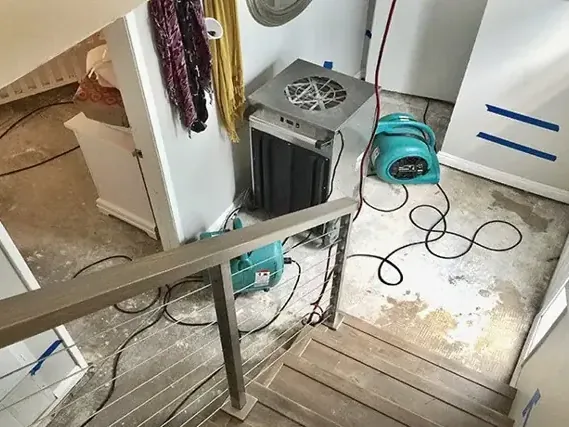
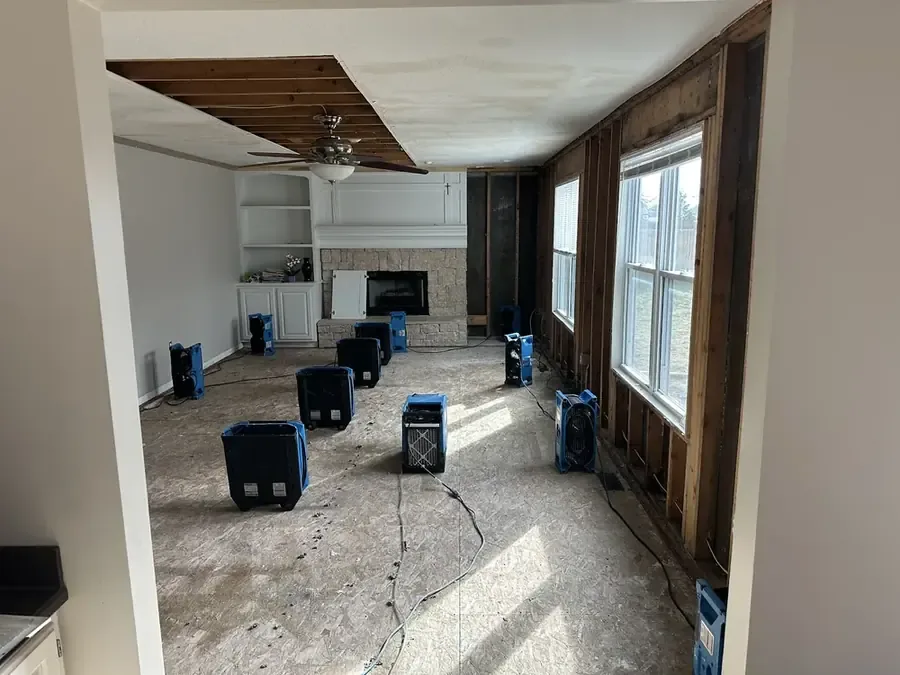
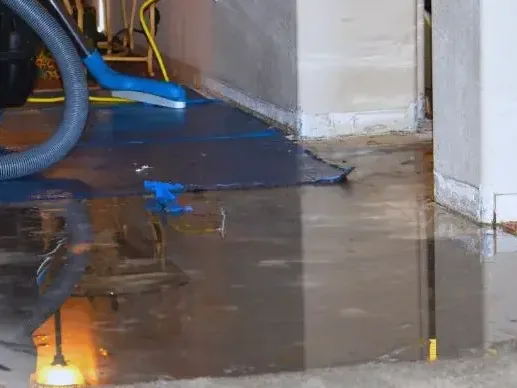
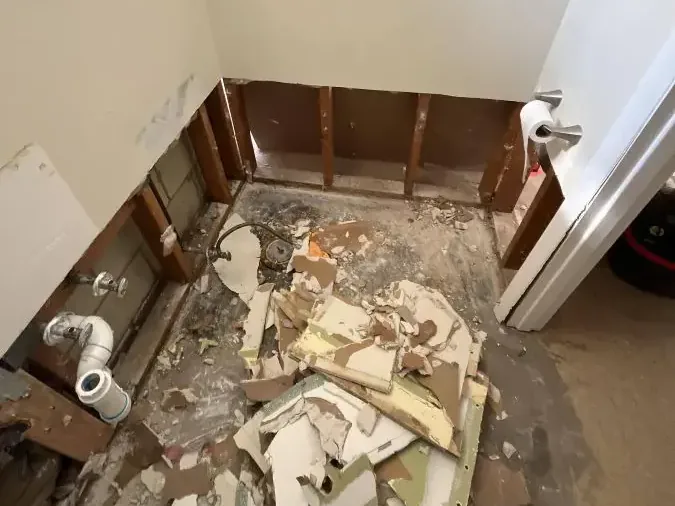
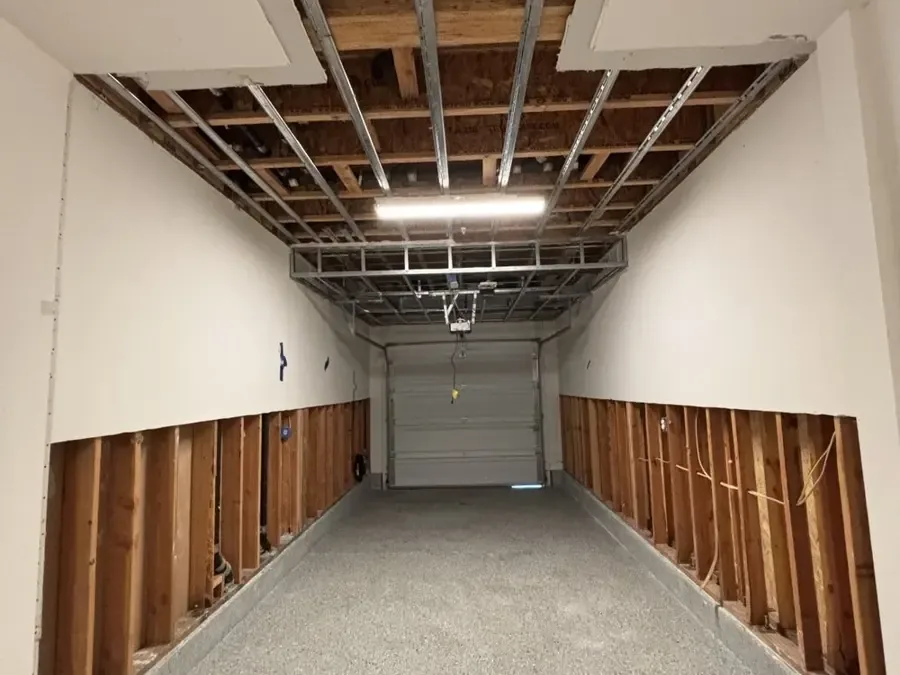
A useful first description saves confusion
A location near SW Timbrel Lane or the Sherwood Highway 99W Pedestrian Bridge helps orient the initial discussion. Access instructions should identify the actual entrance and affected level.
For an occupied property, the caller should explain who can authorize entry, whether pets need separation and which rooms remain usable while cleanup is assessed.
Local details that shape practical preparation
Sherwood's leaf collection program addresses debris that can obstruct storm drainage. Indoor losses need separate attention to fixtures, supply pipes and equipment, with the source at the property determining the cleanup approach.
Private street drainage
Curbside leaf collection excludes private streets, and crews stay off private property. Owners should account for their own drainage maintenance when planning autumn leaf removal around the building.
Sandbag preparation
Sherwood Public Works provides an always accessible self serve sandbag location. Property preparation should happen from safe ground, with attention to entrances where surface water could approach.
Hidden indoor consumption
The city recommends reading the water meter to help detect an indoor leak. Unexplained consumption deserves a plumbing assessment alongside inspection of damp finishes and accessible cavities.
Brookman system changes
The Brookman Sanitary Sewer project includes future connections for residences lacking sewer service. Cleanup planning should establish which wastewater arrangement actually serves the affected building before work begins.
Occupant coordination
Both rented and owner occupied homes are part of the community. A responsible contact should arrange entry, describe essential room use and approve decisions about wet materials and belongings.
November and December
The city's curbside leaf pickup runs during these months. Residents are instructed to leave space at the curb so water can continue reaching storm drains.
Help across Sherwood
Named local areas
- Brookman
- SW Pine Street
- SW Willamette Street
- SW Sunset Boulevard
Listed ZIP
- 97140
Questions after water appears indoors
01Does every wet floor need to be removed?
Removal depends on the flooring material, contamination and what lies beneath it. An intact surface can conceal wet backing or underlayment. Inspection and material readings help determine whether drying in place is practical or access requires selective removal.
02What should a tenant report to the manager?
The tenant should describe the first sign of water, affected rooms and whether flow continues. Photos from a safe location can help. The manager also needs to know about blocked entrances, unsafe electrical conditions and access arrangements for assessment.
03Can a dry looking wall still hold moisture?
Yes. Paint and the outer paper surface can feel dry while insulation or framing remains damp. Moisture checks should cover the wall base and adjoining assemblies, especially where water traveled through a ceiling or behind trim before becoming visible.
04How can meter readings help with an indoor leak?
Sherwood recommends meter reading as a way to help detect indoor leakage. A plumber can interpret unexplained use and isolate the source. Restoration assessment then focuses on materials already affected, including areas that remain hidden after the pipe is repaired.
05Is the curbside leaf program relevant to preparation?
Leaves can interfere with storm drainage, which is why the city operates its collection program. Residents should preserve a path for curb water when placing leaves. Maintenance within private property still needs separate attention because collection crews stay off private land.
06What changes when outdoor water enters a room?
Outdoor water can carry sediment and contamination into porous finishes. Cleanup therefore includes decisions about removal and cleaning before drying begins. Occupants should avoid tracking that water into unaffected areas and keep children and pets away from the affected room.
07When can replacement flooring be installed?
The retained substrate needs to meet the conditions required for the planned flooring installation. Equipment removal alone is not the deciding factor. Final material readings and an installer assessment help prevent a new finish from covering moisture that still needs attention.
08Does the cleanup estimate include fixing the source?
The written scope should state that clearly. Plumbing repair, roof work or appliance replacement may be handled separately from extraction and drying. A useful estimate identifies the parties responsible for stopping water and restoring the damaged interior materials.
09Can a business remain partly occupied during drying?
Some layouts allow unaffected rooms to remain accessible after hazards are evaluated. The plan must preserve exits, separate work areas and control equipment access. Occupancy decisions should be revisited if contamination, electrical concerns or removal work changes the usable space.
Turn the visible damage into a clear plan
A focused assessment connects the water source, affected materials and immediate safety needs to the next practical cleanup decision for the property.