West Linn Water Damage RestorationWater extraction and structural drying
Cooling-system moisture escape

AC Condensate Leak Cleanup in West Linn, OR

AC condensate leak cleanup in West Linn addresses water escaping a cooling system drain or collection pan. The mitigation technician checks the surrounding assembly while HVAC source service coordinates with indoor drying, 24/7.

(888) 373-8814Discuss condensate water damage
  • 24/7 moisture assessment
  • HVAC source coordination
  • Concealed-layer drying checks
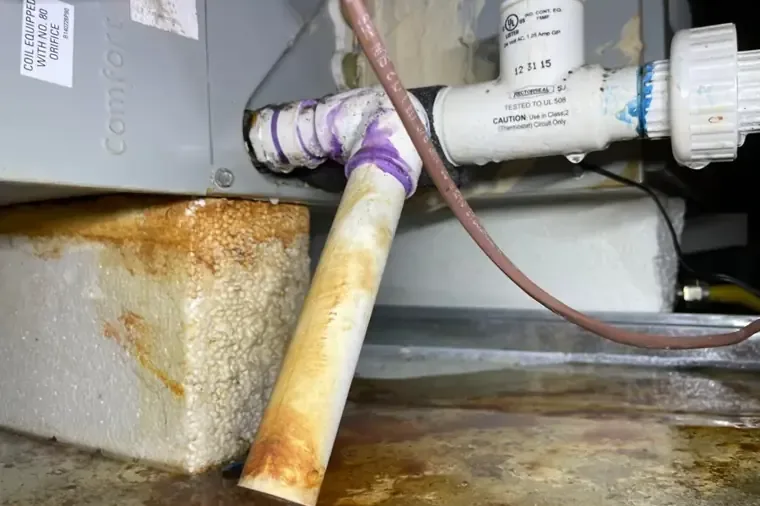
Rust staining around the condensate pan and drain connection beneath an air handler
Source systemCondensate collection and drain
Trade coordinationHVAC and mitigation
Moisture routeSurrounding cavities
Final evidenceRetained-material readings
First steps

What to do before AC condensate leak cleanup

  1. Avoid wet equipment controls. Occupants keep clear of water near powered cooling components. Qualified HVAC personnel assess safe system isolation and the cause of condensate escaping its intended route.
  2. Describe when the drip appears. The household notes whether leakage follows cooling operation or continues when the system is idle. That timing helps the technician trace the source and choose which components to inspect.
  3. Protect the room below. People stay out from under sagging ceiling material and avoid wet fixtures. Small belongings may move only when the route and overhead area remain safe.
  4. Coordinate the two scopes. A 24/7 restoration assessment addresses wet building materials, while HVAC service addresses the equipment. The owner confirms how both jobs provide access without rewetting or sealing damp layers.

AC Condensate Leak Cleanup assessment

Trace the condensate route
The assessor records where water leaves the equipment area and which assemblies it reaches, coordinating observations with the HVAC source investigation.
Map affected layers
The technician checks ceiling, wall or floor materials around and below the unit, photographing the original condition before selective access changes the visible pattern.
Establish controlled drying
After source control, the mitigation crew removes unsuitable material where required and directs airflow and dehumidification toward retained wet structure through suitable openings.
Verify after source service
Repeat readings confirm the material response and check for renewed wetting. The completion record distinguishes HVAC repair from drying and later finish replacement.
How the work proceeds

How AC condensate leak cleanup is handled

  1. 1

    Trace the condensate route

    The assessor records where water leaves the equipment area and which assemblies it reaches, coordinating observations with the HVAC source investigation.

  2. 2

    Map affected layers

    The technician checks ceiling, wall or floor materials around and below the unit, photographing the original condition before selective access changes the visible pattern.

  3. 3

    Establish controlled drying

    After source control, the mitigation crew removes unsuitable material where required and directs airflow and dehumidification toward retained wet structure through suitable openings.

  4. 4

    Verify after source service

    Repeat readings confirm the material response and check for renewed wetting. The completion record distinguishes HVAC repair from drying and later finish replacement.

Planning the work

What does AC condensate leak cleanup cost in West Linn, OR?

AC condensate water-damage mitigation often ranges from $600 to $4,000, separate from HVAC repair. Ceiling access, wet insulation and the duration of hidden leakage can expand the drying scope beyond the unit footprint.

Small accessible drip area

$600 to $1,400
  • Limited wet surface
  • Source promptly isolated
  • Basic moisture mapping

Wet ceiling or wall cavity

$1,400 to $2,800
  • Selective access opening
  • Insulation assessment
  • Controlled retained-material drying

Repeated concealed overflow

$2,800 to $4,000+
  • Broader material damage
  • Several monitoring locations
  • More complex equipment access

The scope reflects water category, affected area, material class and the delay before drying. Compare restoration cost factors.

Cooling equipment removes moisture from air and directs the resulting water through a collection and drainage system. A blocked route, damaged component or other fault can allow that water into the building. The HVAC investigation establishes the cause; the restoration assessment determines what the escaped water has affected.

Equipment position shapes the water path

Condensate-loss assessments cover Hidden Springs, Marylhurst and Tanner Basin. Equipment access and the route to affected rooms shape the work at each property. The technician checks the actual unit, collection area and surrounding materials. Water above a ceiling needs a different access plan from a release next to a finished floor.

  • A drain overflow can continue while the cooling system operates.
  • A collection pan can conceal water that escapes around an edge or connection.
  • Nearby insulation may retain moisture after the visible drip stops.
  • The HVAC technician checks the drain, collection pan and connected components to locate the fault.

Source service precedes a durable dry-out

A West Linn property owner should coordinate HVAC service with the mitigation contractor. Clearing or repairing the source does not remove water already in a wall or ceiling. Conversely, running dehumidifiers cannot resolve an overflowing condensate system. The written scope should identify who evaluates the equipment and who handles the affected building materials.

The restoration technician records the water boundary and checks areas below the equipment. A repeated small release may affect concealed layers even without a dramatic pool. Material condition, time wet and contamination guide decisions about insulation or damaged finishes. The team avoids assuming that every condensate release remains suitable for drying in place.

Monitoring the surrounding assembly

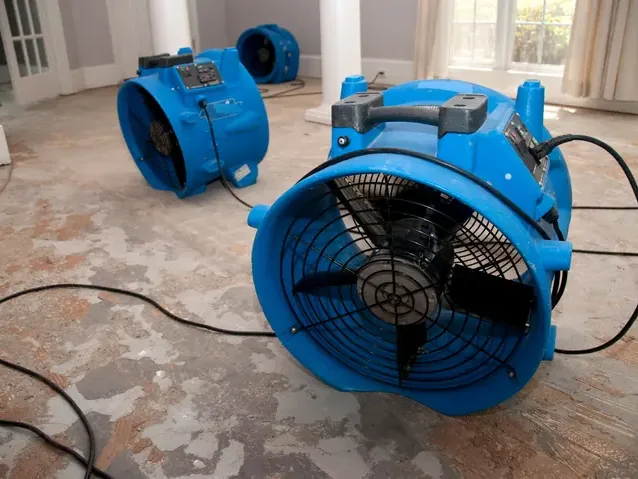
After source attention and extraction where needed, the drying team establishes access to retained wet material. Air movement assists evaporation; dehumidification removes vapor from the surrounding space. Equipment placement must preserve safe access to the cooling system and avoid interference with its service work.

The ceiling water-damage page covers overhead material concerns, while structural drying explains repeat measurements. Final documentation should show that the affected assembly received checks after the source service, including any locations that remained inaccessible.
Service area

AC condensate leak cleanup coverage

Water damage restoration covers ZIP 97068, including Bolton, Sunset, Cedaroak, Marylhurst, Hidden Springs and Tanner Basin. The response team checks access and affected building levels before setting up extraction and drying equipment. Nearby town coverage appears on the service-area page.

Neighborhood and town coverage
Questions

AC Condensate Leak Cleanup questions

01Does condensate leakage always come from a blocked drain?

No. The drainage route, collection pan and other components can contribute. Qualified HVAC personnel establish the equipment fault. The restoration technician follows escaped water into the surrounding building materials.

02Is a repaired drain enough to close the ceiling?

After the drain is repaired, the inspection checks insulation and framing for retained moisture. Material assessment and drying verification should precede ceiling closure or replacement finishes.

03Can the cooling system keep operating during drying?

Qualified HVAC personnel and the restoration contractor should coordinate safe operation. A system that continues releasing water can undermine drying, while unsafe electrical conditions may require isolation before any equipment runs nearby.

04Why inspect below a small drip?

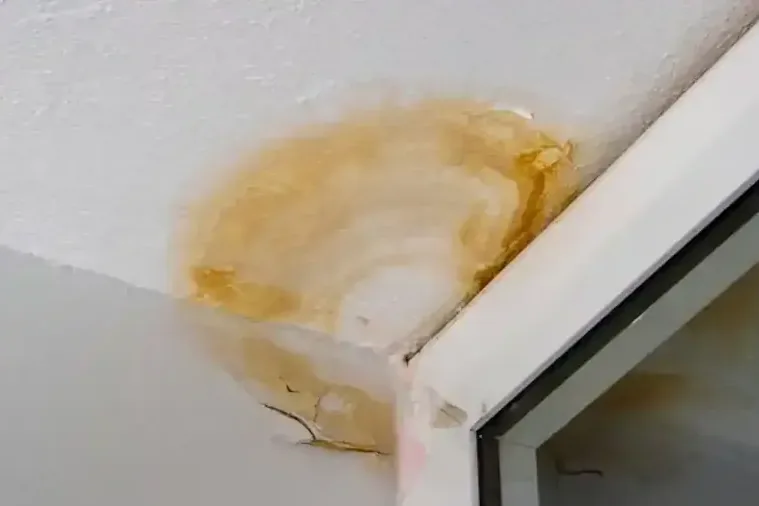
Repeated leakage can move through insulation and along framing before reaching the visible mark. The total wet area may exceed the unit footprint. Moisture mapping checks that hidden route.

05What helps a 24/7 condensate-loss request?

The caller describes unit location, operating timing and the affected ceiling, wall or floor. Electrical contact and overhead sagging should be reported without entering the equipment area to inspect them.

06Are HVAC costs included in mitigation?

They may be separate. The owner should review who handles source service, material access, extraction and drying. Distinct descriptions make the proposed work and later documentation easier to assess.

24/7 water restoration

The drain is clear; the surrounding assembly needs checks

The 24/7 restoration assessment evaluates retained moisture before ceiling or wall finishes close the affected area.

(888) 373-8814Wet rooms? Call