West Linn Water Damage RestorationWater extraction and structural drying
Tank discharge and wet flooring

Water Heater Leak Cleanup in West Linn, OR

Water heater leak cleanup in West Linn follows tank discharge into floor layers and adjoining walls. The restoration team assesses escaped water after qualified source isolation and plans drying around the actual installation, 24/7.

(888) 373-8814Discuss tank-water damage
  • 24/7 tank-loss assessment
  • Floor-edge moisture checks
  • Source and drying coordination
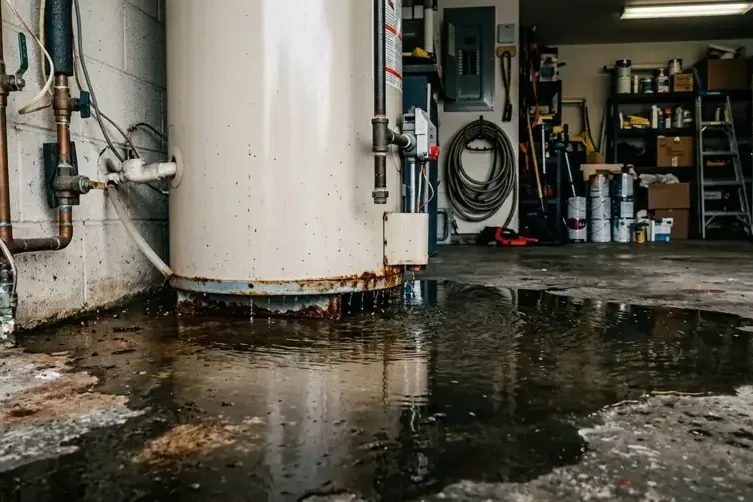
Standing water around a tank water heater on a utility-room floor
HazardsHot water and energy supply
Water routePan and surrounding floor
Hidden layerUnderlayment and wall bases
Next decisionSource repair plus drying
First steps

What to do before water heater leak cleanup

  1. Keep clear of hot discharge. Occupants avoid standing water around the heater and do not touch wet controls. A qualified trade assesses energy isolation and the source of the release.
  2. Use only a safe shutoff. An accessible water valve may limit leakage when it can be reached safely. The household should not move the tank or disconnect fittings to find the source.
  3. Check adjacent rooms visually. Safe observations of wall bases, doorways and rooms below help describe the loss. Nobody should enter a wet electrical area or unstable ceiling space to inspect it.
  4. Coordinate replacement and drying. The owner asks how heater repair or replacement affects drying access. Installing new equipment over an unassessed wet assembly can conceal moisture that still needs attention.

Water Heater Leak Cleanup assessment

Assess the installation
The technician records the heater position, discharge route and affected materials while qualified personnel address the appliance and its water and energy connections.
Remove escaped tank water
The extraction crew recovers water around the equipment and adjoining rooms, checking pan edges, partitions and low points that can retain liquid.
Dry affected floor layers
The mitigation plan exposes inaccessible wet layers where necessary and balances air movement with dehumidification around materials that remain in place.
Verify before closing access
Final moisture checks document the surrounding floor and wall condition. The record identifies remaining access limitations and coordinates with appliance installation or finish replacement.
How the work proceeds

How water heater leak cleanup is handled

  1. 1

    Assess the installation

    The technician records the heater position, discharge route and affected materials while qualified personnel address the appliance and its water and energy connections.

  2. 2

    Remove escaped tank water

    The extraction crew recovers water around the equipment and adjoining rooms, checking pan edges, partitions and low points that can retain liquid.

  3. 3

    Dry affected floor layers

    The mitigation plan exposes inaccessible wet layers where necessary and balances air movement with dehumidification around materials that remain in place.

  4. 4

    Verify before closing access

    Final moisture checks document the surrounding floor and wall condition. The record identifies remaining access limitations and coordinates with appliance installation or finish replacement.

Planning the work

What does water heater leak cleanup cost in West Linn, OR?

Water heater leak cleanup often ranges from $800 to $5,000 for mitigation, separate from heater replacement. Floor layers, wall contact, water temperature and access around the appliance affect the work required.

Small accessible release

$800 to $1,800
  • Open floor recovery
  • Limited wall contact
  • Short equipment route

Floor and wall saturation

$1,800 to $3,500
  • Underlayment assessment
  • Wall-base access
  • Several moisture locations

Concealed or lower-level spread

$3,500 to $5,000+
  • Water below the installation
  • More selective removal
  • Complex equipment placement

The scope reflects water category, affected area, material class and the delay before drying. Compare restoration cost factors.

A leaking water heater can wet more than the floor immediately beside the tank. Water may pass beneath a partition, collect below a pan or follow an opening into a lower room. The mitigation assessment follows the actual installation and discharge route. Hot water and the appliance's energy supply require attention before anyone approaches.

Tank location determines the inspection route

In Tanner Basin, the assessor checks where the water heater sits and which materials adjoin it. The position of the tank determines where the crew checks for concealed water. The same property-specific approach applies in Cedaroak and Bolton: a garage, utility room or upper-level installation changes access, but the neighborhood name does not identify the arrangement.

  • A pan may catch some discharge while water escapes at another connection.
  • Flooring can conceal water that traveled beneath the tank enclosure.
  • Wet wall bases deserve checks on both sides of a shared partition.
  • An upper-level release calls for inspection of the ceiling and rooms below.

Source work and mitigation stay distinct

Qualified personnel assess the heater, connections and energy isolation. The restoration crew handles escaped water and wet building materials within its agreed scope. The surrounding floor needs moisture checks after the damaged tank is replaced. The owner should confirm how the two jobs coordinate, including access for equipment and later installation work.

The team documents the original water pattern before moving affected contents or removing trim. If the heater obstructs access, the contractor explains that limitation and coordinates safe movement with the appropriate trade. Improvised draining or disconnecting can add water to the loss or expose occupants to hazards.

Drying around the former wet area

Once the source is controlled, extraction reduces the liquid load. The drying technician then checks flooring, underlayment and nearby wood or drywall for retained moisture. Dense or covered layers may need selective access, while sound exposed material can receive controlled airflow and dehumidification. Repeat readings determine the result.

The appliance leak page addresses other equipment-related releases. Structural drying explains how the wet floor and surrounding assembly receive verification. A clear record separates the heater work from mitigation and any replacement finishes.
Service area

Water heater leak cleanup coverage

Water damage restoration covers ZIP 97068, including Bolton, Sunset, Cedaroak, Marylhurst, Hidden Springs and Tanner Basin. The response team checks access and affected building levels before setting up extraction and drying equipment. Nearby town coverage appears on the service-area page.

Neighborhood and town coverage
Questions

Water Heater Leak Cleanup questions

01Does a drain pan prevent all water damage?

A pan can help contain certain releases but may overflow, drain poorly or miss leakage from another connection. The assessor checks the actual water route and surrounding materials rather than assuming the pan protected everything.

02Should the heater be moved before cleanup?

Moving a connected heater can create additional hazards. Qualified personnel should assess disconnection and movement. The mitigation contractor coordinates access needs without asking occupants to shift the appliance themselves.

03Is tank replacement part of the cleanup price?

Heater repair or replacement is separate from water-damage mitigation unless the written agreement explicitly includes it. The scope should identify extraction, material removal, drying equipment and any appliance work clearly.

04Why inspect the wall behind the heater?

Water can wick into drywall and framing at the base or pass through a partition. Restricted access behind the tank may hide that damage. Moisture checks establish whether an opening or equipment change is needed.

05What belongs in a 24/7 tank-leak report?

The caller describes active flow, the tank location and nearby wet rooms, while noting hot water or electrical concerns. Safe source-isolation information helps the response team plan extraction and trade coordination.

06Can replacement flooring begin after the tank is fixed?

The floor assembly needs its own moisture assessment. A source repair stops new discharge but does not remove water already beneath the finish. Final readings and product requirements guide the replacement schedule.

24/7 water restoration

A replaced heater can leave wet materials behind

The restoration team provides 24/7 assessment of the surrounding floors, wall bases and lower-level moisture.

(888) 373-8814Wet rooms? Call