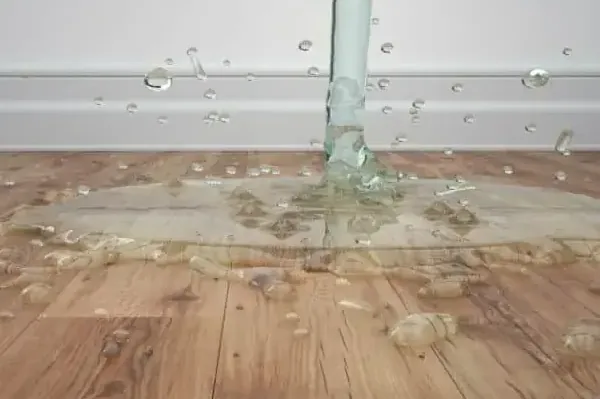
A leaking appliance can leave a tenant trying to protect belongings while the property owner arranges a repair. Happy Valley includes both owner occupied and renter occupied housing. In a rental home, a useful response connects the appliance service appointment with access to wet flooring, cabinets and personal property, so each person knows what needs attention and where work will happen.
Key takeaways
- Report the appliance, affected room and whether water is still escaping.
- Preserve safe photographs before moving wet belongings.
- Agree on access for the appliance technician and the restoration crew.
- Distinguish damaged personal contents from wet building materials.
- Keep equipment instructions and return visits in a shared written record.
Send a report that can become a work order
A message saying that the kitchen is wet leaves important questions unanswered. A stronger report names the appliance, describes where water first appeared and explains whether the room can be entered safely.
It can also identify wet electrical components or any water reaching a room below.
Tenants should keep clear of wet plugs and avoid pulling an appliance through standing water to reach its connection. The property contact can arrange appropriate professional assessment.
Any source control should be performed only where safe access and the correct method are established.
A photograph of the room from its dry entrance gives the owner a useful overview. A closer view can show the cabinet base or floor edge already affected.
The appliance leak cleanup service can use these observations when arranging the material inspection.
- Name the appliance and room in the initial message.
- Describe whether the water is growing, dripping or no longer visible.
- Include any access limitation that will affect a contractor visit.
Agree on entry before the appliance is moved
An appliance technician may need access to supply connections, drain fittings or the area behind the machine. The restoration crew may need the same space to inspect wet finishes.
Scheduling those needs together helps avoid moving the appliance before the floor beneath it has been documented.
The owner and occupant can identify who will meet the contractors and which rooms may be entered. Instructions should also cover pets, keys and any household member needing assistance.
Those arrangements belong in a practical access record that can be updated when appointments change.
Happy Valley is in Clackamas County, and its housing includes occupied homes with different ownership arrangements. For an individual rental, the lease and the property contact establish the communication channel.
The cleanup work order should list the agreed contact for decisions about cabinets, flooring and wall openings.
- Record the person authorized to discuss building repairs.
- Share appliance service findings with the material inspection team.
- Confirm how the crew will reach concealed areas behind the appliance.
Check beneath the visible front edge
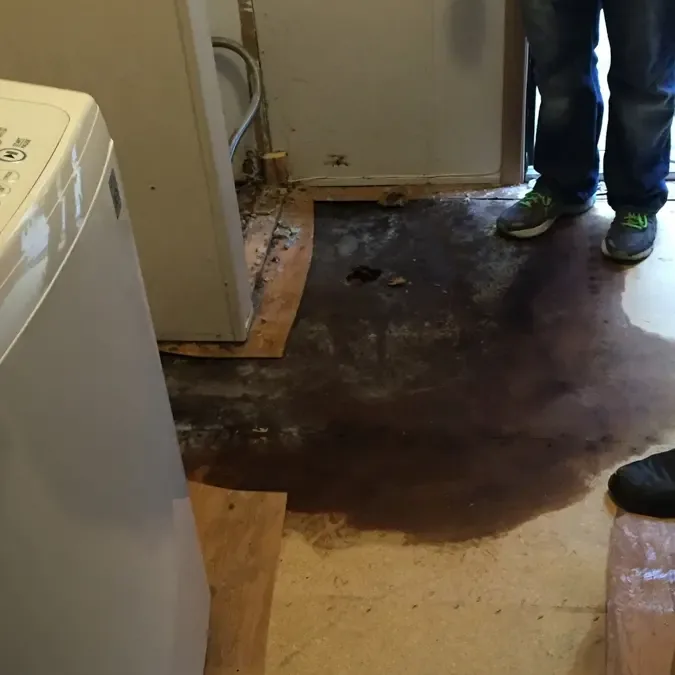
A small amount of water at the front of a dishwasher or washer can conceal a larger wet area beneath it. Once the appliance can be moved safely, the inspection should examine the full footprint.
Adjacent cabinet sides and the wall behind the machine also deserve attention.
Floor layers may continue under fixed furnishings, leaving inaccessible edges where moisture is held. The technician should describe which surface is being tested and any access needed to reach it.
An owner can then evaluate the proposed material work alongside the appliance repair findings.
The water extraction service handles accessible liquid while the broader assessment follows the release into adjoining materials. The plan should explain how the equipment route avoids dry rooms and where temporarily removed items will be kept during floor access.
- Photograph the appliance footprint after safe movement.
- Inspect the adjoining cabinet base and nearby floor transition.
- Add any newly exposed wet material to the work order.
Keep tenant belongings distinct from building components
A tenant may own the rug beside the appliance while the property owner arranges replacement of damaged flooring beneath it. The inventory should describe each item separately and record who can answer questions about it.
This keeps a general room description from obscuring individual decisions.
Wet boxes, baskets or movable storage should be assessed before they are placed in an unaffected room. Items can be grouped by their condition and handling needs.
Photographing them in their original position, when safe, preserves the relationship between the appliance release and the affected contents.
The household can identify essential belongings that must remain accessible during the work. A dry temporary location should avoid the equipment path and wet wall edges.
The crew can explain when larger items may return without covering a surface that still needs inspection.
- Separate a contents list from the building repair list.
- Label temporary storage with the original room location.
- Keep photographs of damaged containers and the items inside them.
Make drying visits compatible with daily occupancy
An occupied rental may need continued access to cooking, laundry or a route to another room. The crew should discuss those needs before arranging equipment.
Where a room cannot be used during work, the owner and occupant need a clear description of the restriction and the reason for it.
The structural drying process includes repeat visits to retained materials. Those visits should use identifiable test locations so the floor beneath the appliance and the adjacent cabinet can be compared over time.
Access arrangements should remain current as household schedules change.
Equipment instructions should be understandable to the person living with the machines. The occupant should know whom to contact about a stopped unit, an obstructed passage or a concern about heat or noise.
Adjustments should be coordinated with the crew so the drying plan remains effective.
Keep local context separate from the appliance diagnosis
Mount Scott is the highest point in the city, and Scouters Mountain is another prominent feature. A work order for an appliance release should focus on the fixture and the rooms affected inside the home.
The technician can document the failed connection or appliance component after inspection.
The city's population growth accelerated in the late twentieth century, while its housing includes both owners and renters. For this repair, the useful building details come from the affected unit: its appliance position, floor assembly and accessible connections.
Photographs and trade findings should identify those actual conditions.
When a repair recommendation changes after the appliance is moved, the revised scope should describe the new finding. A swollen cabinet side or wet floor beneath a machine may require a different task from the original appliance service call.
The owner and occupant should receive the same updated explanation.
Close the job with a shared condition record
The final room inspection can compare the original photographs with the exposed appliance footprint and the repaired area. It should identify what was dried, removed, cleaned or replaced.
A simple list of remaining finish repairs helps everyone understand what will happen after the drying equipment leaves.
An appliance service record should state the correction performed and any operating instructions from the repair professional. The mitigation file should describe the surrounding materials separately.
Keeping these documents together allows a later contractor to understand both the source repair and the interior work.
The owner and occupant can confirm where belongings have been returned and whether normal access has resumed. Any remaining concern should be tied to a specific item or location.
Clear written handoff notes make followup easier than relying on separate recollections of a busy repair visit.
Questions
What should a tenant report if the appliance cannot be moved safely?
The message should describe the water visible around it and the obstacle to access. A qualified contractor can plan movement after electrical and other hazards have been assessed, preserving photographs of the surrounding area first.
Why does the owner need both an appliance invoice and a drying record?
The invoice describes the machine or connection repair, while the drying record explains treatment of the floor, cabinet and other wet materials. Together they provide a fuller account of the work completed.
How can a household avoid missed monitoring visits?
The access arrangement can name a contact, an entry method and any schedule limits. Changes should be shared with the crew so the same wet locations remain available for inspection.
Who decides whether a damaged rug can be retained?
The rug should receive its own material assessment, with the owner of the item included in the decision. Its condition, water contact and available cleaning options belong in the contents record.