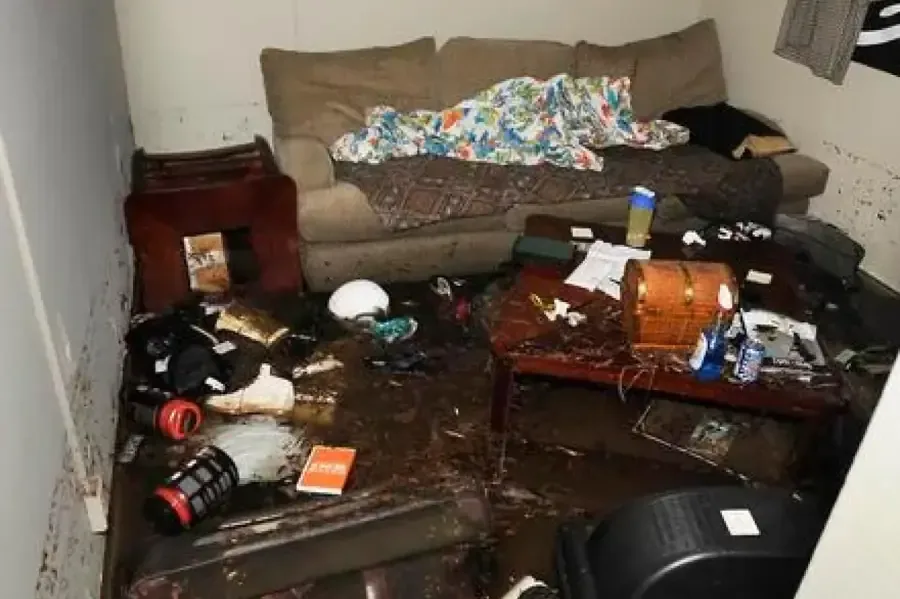
A wet doorway can turn an outdoor drainage problem into a room full of damaged belongings. West Linn lies between the Willamette River and Tualatin River, and the city identifies rainfall, topography and development as factors in flood risk. Inside an affected home, the practical work starts at the opening where water crossed into the building and follows the materials it reached.
Key takeaways
- Keep occupants away from standing water, wet electrical equipment and unstable floors.
- Record the entry opening and the indoor water boundary from a dry position.
- Separate contaminated belongings from items that stayed dry.
- Have flooring edges and concealed cavities assessed before selecting a drying method.
- Keep drainage repairs, material removal and final moisture records together.
Describe the opening where the water arrived
A useful first description identifies a door threshold, a low window, a foundation joint or another visible opening. Notes should describe what the owner saw when the water arrived, including whether rain was continuing and whether the indoor puddle was growing.
A simple sketch can connect that opening to the affected room.
Photographs taken before cleanup preserve marks that disappear when floors are washed. A wide view shows the relationship between the entrance and furniture, while a closer view records deposited grit or a swollen floor edge.
Neither view requires stepping into the wet area or moving a heavy object.
The flood damage cleanup service addresses water that has already entered the structure. The first inspection should also identify any continuing entry so a separate drainage or building repair can be coordinated while indoor recovery proceeds.
- Label photographs with the room and the visible opening.
- Record changes in water level from a safe location.
- Preserve any earlier images showing the same doorway while dry.
Establish a clean route through the house
Shoes, boxes and cleanup hoses can carry residue beyond the original wet area. Before furniture moves, the team should choose an equipment route and a place for removed belongings.
An unaffected room should remain available for essential household items that have stayed clean and dry.
Children and pets need a boundary they can recognize, especially when the affected entrance is normally used throughout the day. Where the route passes through an occupied part of the house, the plan should explain which doors remain usable and who may enter the work area.
Electrical concerns belong in the first conversation, including outlets near the water and cords lying across the floor. Occupants should leave wet equipment untouched and arrange qualified assessment where electrical components may have become wet.
Cleanup access can be organized after the area is safe.
- Identify an entrance that avoids the affected floor.
- Keep bags of wet debris out of dry living spaces.
- Tell the crew about mobility needs before equipment arrives.
Sort belongings by contact and material
A solid object with a washable surface needs a different evaluation from a cushion or a cardboard carton. The cleanup inventory should describe the item, where it sat and whether outside water touched it.
That detail supports a useful decision about cleaning, specialist handling or disposal.
Storage boxes deserve attention even when their lids look dry. Water can enter from beneath, leaving papers and fabric wet before the top of the box changes appearance.
Items should be opened and assessed in a controlled area rather than carried through the home in dripping containers.
Owners can identify irreplaceable photographs, documents or keepsakes at the outset so the team can consider appropriate specialist care. A damaged item should be photographed before disposal whenever safe access allows.
The inventory should preserve its identity without requiring occupants to handle contaminated material.
- List belongings by room rather than by a single household total.
- Record the lowest shelf or surface reached by water.
- Keep receipts and disposal records with the corresponding item photographs.
Look beyond the visible puddle
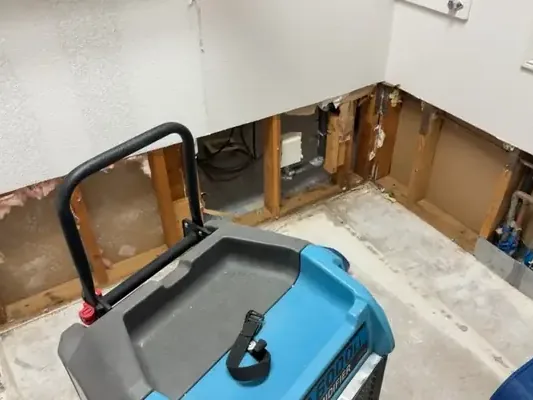
Floor finishes can conceal water along their edges, beneath an underlayment or inside a cabinet base. An inspection should follow the route from the entrance into adjoining materials, including the far side of a shared partition when the observed spread reaches it.
The wet boundary may extend past a visible stain.
Accessible liquid is recovered before evaporation becomes the main task. The water extraction process reduces the amount held on floors and in recoverable materials, while inspection determines which layers need cleaning or removal before drying equipment is arranged.
A room diagram gives each test location a clear identity. Recording the material and the side of the wall helps later measurements refer to the same place.
This also gives the repair contractor a practical explanation for any opening made at a floor edge or wall base.
- Check the transition where wet flooring meets a dry room.
- Include the space beneath fixed cabinets when water reached their base.
- Photograph exposed layers before covering or removing them.
Connect drainage work with the indoor repair plan
The city preparedness material names both topography and development when discussing flooding. Around an affected building, the owner can keep a separate record of water collecting on paving, debris at an opening or a visible flow path across the yard.
Those observations help the appropriate contractor investigate recurring entry.
West Linn neighborhoods include Bolton, Sunset and Willamette Heights. A repair request in any of these areas is clearer when it identifies the actual affected opening, rather than only the neighborhood name.
Photographs of that opening before and after correction can remain with the interior cleanup file.
Outdoor repairs and indoor drying should be scheduled so new water does not undo completed work. Temporary protection, permanent drainage changes and replacement of damaged finishes belong in separate task descriptions.
The responsible parties can then confirm which condition must be met before the next task starts.
Evaluate retained materials throughout drying
Once unsuitable materials and residue have been addressed, retained framing and finishes need a drying plan that reaches the wet surfaces. Furniture placement, enclosed cavities and floor coverings can restrict access.
Equipment should be arranged around the actual materials remaining in the room.
During structural drying, repeated readings show whether those materials are responding. A surface that feels dry can still need further evaluation where layers meet.
The owner should receive an explanation of any area drying more slowly and the access change proposed for it.
Normal household use may need adjustment while equipment operates. The team can explain access routes, doors that should stay in their assigned position and which belongings can return.
Questions about noise or room use are best raised before occupants move equipment away from a wet area.
Keep a completion record that supports rebuilding
A useful closing file shows the original affected rooms, the materials removed and the condition of what remains. It should connect final readings to the locations recorded earlier.
This makes the handoff understandable to a flooring installer or other repair contractor arriving after the cleanup equipment leaves.
The scope should identify work still outstanding, such as replacing trim, repairing the entry opening or restoring a cabinet base. An owner can then compare repair proposals against the same room descriptions.
This reduces confusion when separate contractors use different names for the same space.
Flood insurance is addressed separately in the city preparedness material. Owners should retain their policy questions for their insurer and keep mitigation photographs, invoices and repair records organized by event.
The cleanup record should describe the work performed and the observed damage in straightforward terms.
Questions
Should wet cardboard boxes stay in the room until everything dries?
The contents and the carton should be assessed promptly as separate materials. Saturated packaging can hide damage and interfere with access to the floor beneath it, so the crew can arrange a controlled sorting area.
What helps explain water that crossed a threshold?
An exterior view, a close photograph of the threshold and a room view showing the spread form a useful sequence. Notes about continuing entry help the drainage contractor and cleanup team coordinate their work.
Can a floor be replaced as soon as standing water is gone?
The underlying assembly needs evaluation before new flooring is installed. The handoff should state whether retained materials have reached their drying targets and identify any remaining preparation or repair.
How should an owner track items moved during cleanup?
A room inventory can record the item, its original position and its temporary storage location. Matching photographs to that list makes later cleaning decisions and returns easier to follow.