
Leaves collecting beside a curb can interrupt the route rainwater normally takes to a storm drain. Sherwood operates curbside leaf pickup during November and December to help reduce flooding from leaf clogs. When water reaches a doorway, the owner needs both an outdoor drainage record and a clear account of the flooring, wall edges and belongings contacted inside.
Key takeaways
- Leave room beside the curb for water to reach storm drains when placing leaves.
- Follow the city instructions for loose leaf rows and scheduled pickup areas.
- Observe outdoor ponding from safe ground without entering moving water.
- Photograph the threshold and the interior spread before cleanup changes them.
- Assess water under floor edges and furnishings before returning the room to use.
Place leaves so curb drainage remains open
The city instructs residents to arrange loose street leaves in rows rather than a single pile. It also directs them to leave room at the curb for water to reach the storm drains.
These placement details matter when leaves are being prepared for collection ahead of rain.
Pickup crews work within a scheduled area during a specified week. Owners should check the current collection arrangement before placing leaves and keep the drainage route visible.
Wet leaves can shift after placement, so a later look from a safe location can reveal a new obstruction.
Sherwood excludes private streets from the curbside program, and crews remain off private property. Owners responsible for those areas need their own maintenance arrangement.
The leaf pickup schedule and private drainage work should be recorded separately so no needed task is overlooked.
- Arrange loose leaves according to the city row instructions.
- Preserve the open curb route leading toward storm drains.
- Confirm who handles leaves and drainage on private areas.
Record ponding without entering the water
During rain, a photograph from a dry doorway or other safe position can show where water is collecting. The frame should include the curb or paved surface and the affected entrance if visible.
A later image from the same location can preserve whether the collection area changed.
Residents should avoid entering moving water or working around a submerged drain. A public drainage concern can be reported through the appropriate city contact with a clear location description.
The City of Sherwood lists Public Works customer service and assistance outside normal office hours in its directory.
The storm water damage service addresses indoor materials after rainwater enters the property. The contractor will need the entry point and the extent of indoor spread, while the outdoor report can help the party evaluating the drainage route.
- Describe visible leaves, ponding and the nearest affected opening.
- Keep the observation time with each photograph.
- Mention any change that affects safe access to the property.
Trace the crossing at the threshold
A wet entrance can show several useful clues: grit along the threshold, a damp door surround or water beneath an entry mat. These observations should be preserved before wiping or moving material where safe access allows.
They connect the outdoor condition with the route into the room.
The indoor assessment should follow water beyond the mat to adjoining floor seams and wall bases. A closed interior door can conceal spread beneath it.
The technician should identify the farthest affected material rather than ending the inspection at the most visible puddle.
An owner can describe whether the entrance was open, closed or already leaking when the water was first noticed. The detail belongs in the event record along with photographs of the same opening after cleanup.
It can help the repair professional understand what needs further investigation.
- Photograph the threshold before cleaning removes visible residue.
- Include the underside and position of the entry mat in the assessment.
- Check the transition from the entrance into adjoining rooms.
Treat outdoor residue as part of the cleanup
Water crossing an exterior surface can carry soil, leaf fragments and other residue into the building. The condition of contacted materials should determine cleaning and removal decisions.
Occupants should keep clear of the wet space and avoid carrying muddy belongings through clean rooms.
A hard floor surface, an absorbent rug and the backing beneath it need separate evaluation. The crew can explain which items can be cleaned and which require removal or specialist handling.
Photographs and item descriptions should be retained before damaged possessions leave the property.
The flood cleanup assessment examines the route and material contact from outside water. The work scope should include residue along corners and fixed furnishings where it can remain after the open floor looks cleaner.
That access must be planned before finish repairs begin.
- Keep wet entry items separate from clean household storage.
- Identify porous materials that contacted outside water.
- Record concealed residue found after mats or furnishings are moved.
Recover liquid from the floor and its edges
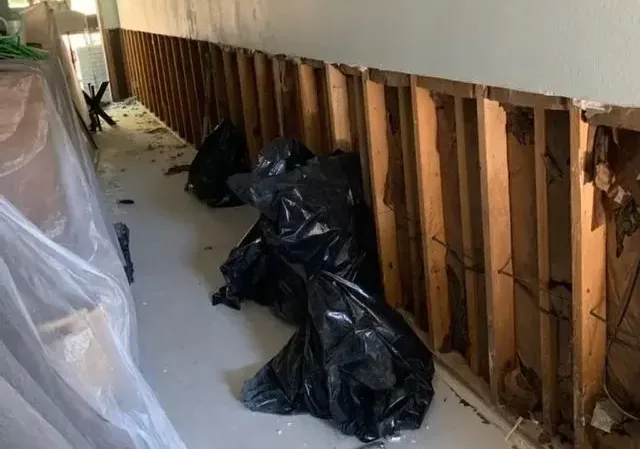
Standing water should be addressed after the area has been made safe and the handling plan is established. The water extraction service can recover accessible liquid and expose the condition of floor surfaces.
Electrical hazards and unstable materials must be assessed before equipment is used.
Inspection should include the contact between flooring and trim, especially where the visible flow reached a wall. Water held beneath a finish can remain after the entry puddle disappears.
The team should explain the access needed to determine the condition of those layers.
Moving an entry cabinet or bench can reveal another part of the wet boundary. Its original position should remain on the room sketch so the findings connect with the first photographs.
Any additional removal should be supported by the material condition found there.
Match preparation tasks to the correct property area
Washington County designates sandbag locations during flooding events, and Sherwood Public Works provides an accessible self serve sandbag location. An owner considering preparation can check the current directions and coordinate any property protection before an unsafe situation develops.
Indoor recovery still needs attention when water has already entered.
A maintenance list can distinguish the public curb, private paving and the building entrance. Each may involve a different responsible contact or contractor.
Recording who handles each task is more useful than assuming that leaf collection also addresses every drainage feature around the home.
After the event, photographs can help the drainage contractor evaluate repeated ponding at the same opening. The record should include visible changes after leaves are removed or a repair is performed.
This links maintenance work with the actual entry condition observed at the property.
Finish with a room record and a drainage followup
Retained materials should be monitored through drying before floor coverings and furnishings return to their usual places. The crew can identify the comparison points used at the entrance and adjoining room.
A handoff should state the material condition and any remaining finish work.
The cleanup file should also preserve the outdoor photographs and the response to any drainage report. Keeping them with the threshold images makes the sequence easy to follow.
A contractor returning later can see both the original entry and the repairs completed around it.
The next leaf collection period can be prepared for with the city placement instructions and a clear private maintenance plan. The owner can retain the appropriate contacts alongside the completed cleanup record.
This keeps future preparation practical while preserving a useful account of the water event.
Questions
Does curbside pickup include a private street?
The city program excludes private streets, and its crews do not enter private property. The owner or responsible property contact should arrange maintenance for those areas separately from the public collection schedule.
What is the city instruction for leaves beside the curb?
Loose street leaves should be placed in rows with room left for water to reach storm drains. The pickup arrangement follows scheduled areas, so current collection directions should be checked before placement.
Why check beneath an entry mat after the visible water is removed?
The mat and its backing can hold moisture and residue against the underlying floor. Lifting it through the planned handling process exposes surfaces that need their own cleaning and material assessment.
How can an owner connect drainage repair with indoor cleanup?
A sequence of outdoor, threshold and room photographs can show where water crossed into the building. Keeping the drainage contractor findings with the interior records makes the work at that opening easier to understand.