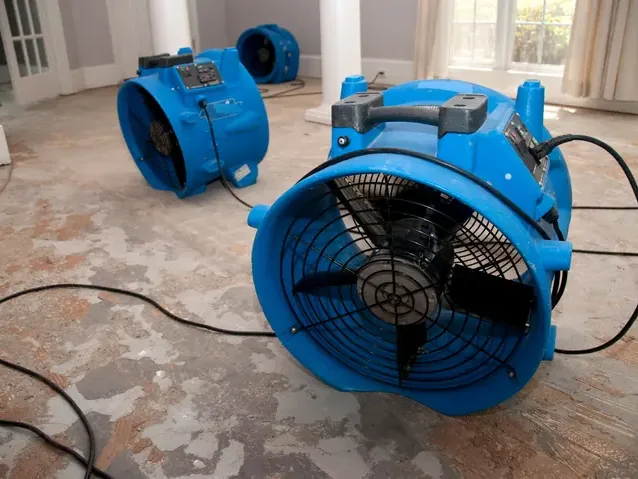
West Linn Water Damage RestorationWater extraction and structural drying
Rain entry and drainage

Storm Water Damage in Sherwood

Rainwater may arrive through an opening overhead or collect against a doorway. A Sherwood storm damage assessment distinguishes those routes, then coordinates protection, cleanup and drying around the building materials that actually became wet.

(888) 373-8814Discuss the rain entry path
  • Building entry assessment
  • Drainage context
  • Interior recovery sequence
Workers pumping muddy floodwater from a property beside a recovery truck
Entry questionOverhead rain or runoff
Seasonal taskKeep curb drainage open
Indoor priorityProtect retained building materials
Repair sequenceControl entry before finishes
First steps

What to do before storm water damage

  1. Avoid exposed outdoor hazards. The occupant should remain clear of unstable trees, damaged overhead materials and water around electrical equipment. Exterior inspection belongs with appropriate help when conditions make ground access unsafe.
  2. Note where rain enters. From inside a safe area, record whether wetting begins at a ceiling, window opening, wall base or doorway. These observations help separate distinct entry paths.
  3. Protect dry room access. Keep unaffected belongings and walking routes apart from the wet area. Moving items should not require crossing runoff, standing beneath sagging finishes or touching damp electrical devices.
  4. Explain temporary protection. The property contact should report any covering or repair already arranged, along with renewed water entry. That information helps align interior work with source control efforts.

Storm Water Damage assessment

Compare the entry clues
Inspection considers the first wet surface, weather exposure and migration into connected assemblies. Distinct routes are documented separately so the cleanup plan addresses each affected area.
Coordinate continued protection
The appropriate repair trade addresses the opening or drainage issue. Interior recovery can then proceed with awareness of any remaining exposure that could wet materials again.
Address damaged layers
Affected finishes are evaluated for contamination and physical condition. Selective access exposes retained framing or substrates that need cleaning, water recovery and a controlled drying environment.
Monitor for renewed wetting
Drying readings are reviewed alongside source observations. A fresh moisture increase prompts reassessment of the entry path before the property is considered ready for finish repairs.
How the work proceeds

How storm water damage is handled

  1. 1

    Compare the entry clues

    Inspection considers the first wet surface, weather exposure and migration into connected assemblies. Distinct routes are documented separately so the cleanup plan addresses each affected area.

  2. 2

    Coordinate continued protection

    The appropriate repair trade addresses the opening or drainage issue. Interior recovery can then proceed with awareness of any remaining exposure that could wet materials again.

  3. 3

    Address damaged layers

    Affected finishes are evaluated for contamination and physical condition. Selective access exposes retained framing or substrates that need cleaning, water recovery and a controlled drying environment.

  4. 4

    Monitor for renewed wetting

    Drying readings are reviewed alongside source observations. A fresh moisture increase prompts reassessment of the entry path before the property is considered ready for finish repairs.

Planning the work

What does storm water damage cost in Sherwood, OR?

Storm water cleanup in Sherwood varies with the entry route, contaminated surfaces and concealed saturation. These ranges concern interior recovery; roof repairs or changes to exterior drainage should be identified separately in the project scope.

Localized rain entry

$1,000 to $2,500
  • Limited interior wetting
  • Accessible affected surfaces
  • Focused source coordination

Several wet surfaces

$2,500 to $5,000
  • Ceiling and walls
  • Selective cavity access
  • Expanded drying setup

Widespread storm entry

$5,000 to $7,500+
  • Multiple water paths
  • Larger material losses
  • Complex recovery staging

The scope reflects water category, affected area, material class and the delay before drying. water damage cost calculator.

A wet ceiling and a wet door threshold can appear during the same rain, yet require different investigations. The ceiling may point toward an opening in the building enclosure, while the threshold calls for attention to water at ground level. The restoration scope should preserve that distinction so cleaning and drying match the actual exposure.

Leaf placement affects the drainage path

Sherwood's curbside leaf collection operates in November and December. Residents are instructed to arrange loose street leaves in rows and leave room at the curb for water to reach storm drains. A large pile placed across that route can interfere with drainage. Crews work by scheduled area, stay off private property and exclude private streets from pickup.

For a property near SW Pine Street, SW Willamette Street or SW Odge Gribble Lane, outdoor observations are useful when made from safe ground. The caller can describe whether water approached a doorway, accumulated beside a wall or appeared indoors only after rain reached an overhead opening.

Protect the interior while entry is addressed

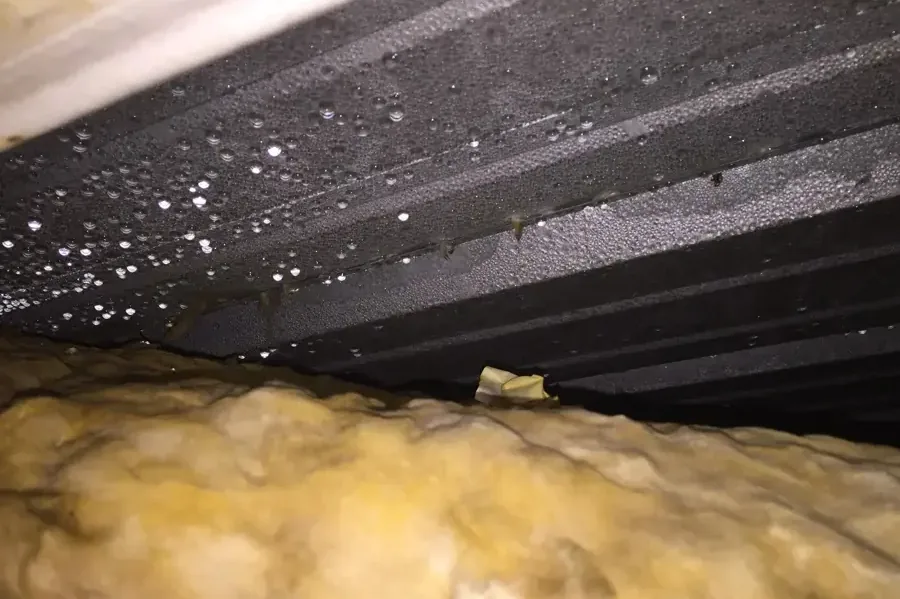
Roof or enclosure repairs and interior restoration need coordination. Temporary protection should be handled by an appropriate trade under safe conditions. Indoors, wet insulation, wallboard and flooring are evaluated for removal or retention. Material readings help locate moisture that traveled away from the visible stain along framing or a concealed surface.

  • Keep the original entry observations separate from later drying measurements.
  • Identify ground water contact before selecting cleaning methods for wet finishes.
  • Record any renewed wetting after temporary protection is installed.

Choose the cleanup path from the water source

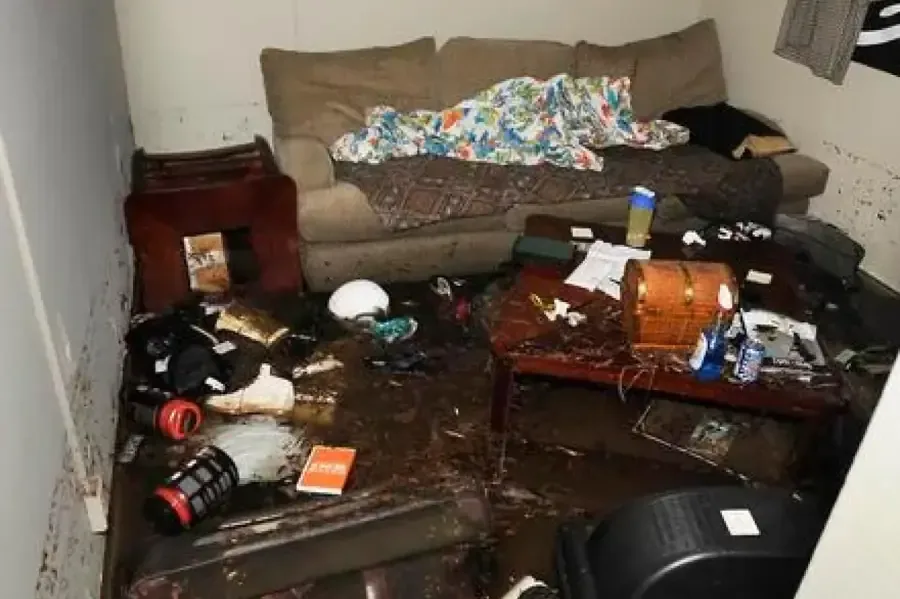
When muddy outdoor water crosses an entrance, flood cleanup addresses contamination and sediment. If the damage follows an overhead rain path, roof leak restoration focuses on the affected attic and ceiling layers. Both routes need a stable source condition and a measured drying plan before replacement finishes hide the repaired area.
Service area

Storm water damage coverage

Around SW Timbrel Lane and SW Sunset Boulevard, callers can describe the street location alongside the water's point of entry. Interior assessment also needs the affected level, current weather exposure and any rooms that cannot be entered safely.

The same service nearby: storm water damage in West Linn, Wilsonville, Lake Oswego.

Water damage restoration in Sherwood · every town covered
Questions

Storm Water Damage questions

01Why ask where the water first appeared?

The earliest visible location helps distinguish roof entry from runoff or another source. Water can travel before it drips, so those observations direct inspection without limiting it to the final puddle alone.

02How should street leaves be arranged?

The city instructs residents to use rows of loose leaves while preserving room for curb water to reach storm drains. The collection program has scheduled areas and does not extend onto private property.

03Does leaf pickup cover private streets?

Private streets are excluded from the city's curbside program. Property preparation therefore needs to account for the actual drainage areas and maintenance arrangements serving the building, including surfaces outside the public pickup route.

04Can interior drying begin during roof work?

The trades can coordinate tasks once access is safe, but continued rain entry may undermine drying. The plan should identify temporary protection and explain which assemblies remain exposed while permanent source repairs proceed.

05What if rainwater contacted soil first?

Soil contact changes the cleaning assessment because sediment and contamination may accompany the water indoors. That exposure should be reported before anyone tries to dry carpet or spread airflow across affected surfaces.

06Should a ceiling stain be painted immediately?

The entry source and moisture condition need evaluation first. Paint can conceal the visible mark while wet insulation or damaged wallboard remains behind it, leaving unfinished recovery work hidden beneath a new surface.

24/7 water restoration

Build the recovery plan around the entry

Interior cleanup works best when the source repair, material decisions and drying checks follow a coordinated sequence for the property.

(888) 373-8814Wet rooms? Call