West Linn Water Damage RestorationWater extraction and structural drying
Measured recovery inside building materials

Structural Drying in Canby, OR

A room can feel comfortable while its floor layers remain damp. Structural drying in Canby tracks the materials affected by a water loss, adjusting access and equipment as readings show how those assemblies respond.

(888) 373-8814Review the drying requirements
  • Track material readings
  • Adjust drying access
  • Verify repair readiness
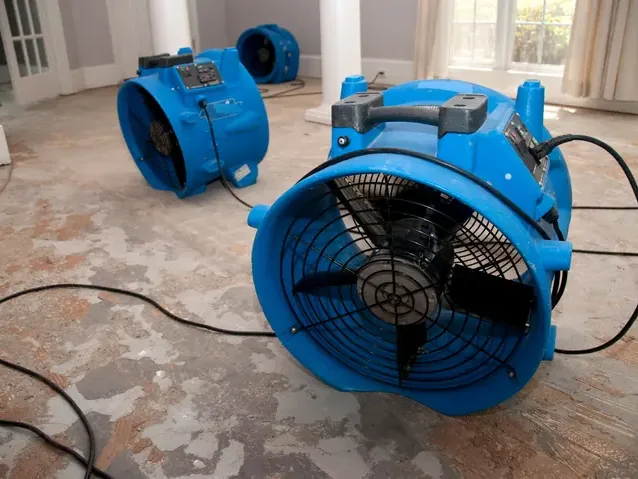
Air movers and dehumidification equipment arranged to dry a room
Starting conditionRetained moisture after water removal
Progress measureReadings in affected materials
Adjustment pointSlow or concealed areas
Repair releaseAssessed material readiness
First steps

What to do before structural drying

  1. Confirm the water source status. Drying starts after source status is established. Continuing entry can overwhelm equipment and obscure progress in the affected materials.
  2. Gather earlier damage records. Photos, removal notes and any prior readings help identify what was wet before the room changed. These records can prevent a concealed section from being missed after surface cleanup improves appearance.
  3. Keep equipment routes accessible. A clear dry path supports safe placement and monitoring. Occupants should avoid moving equipment or blocking airflow with stored items while the drying arrangement is operating around the affected building materials.
  4. Raise access or noise concerns. Practical concerns should be discussed with the restoration contact before equipment is switched off. Placement adjustments can preserve household access while keeping the drying plan connected to the materials that need attention.

Structural Drying assessment

Establish the material baseline
The initial record identifies affected assemblies and useful measurement points. Condition checks help select what can remain for drying and what needs access or removal before equipment is placed.
Set controlled drying conditions
Air movement and dehumidification are arranged around the exposed wet surfaces. The setup accounts for access, electrical safety and the route moisture must take out of retained materials.
Respond to measured progress
Repeat readings show which sections are improving and which need further attention. Adjustments may involve equipment placement, more access or renewed investigation of a source that continues adding water.
Document readiness for the next trade
Final findings identify retained material condition and outstanding repairs. This record supports finish decisions after equipment leaves the affected space.
How the work proceeds

How structural drying is handled

  1. 1

    Establish the material baseline

    The initial record identifies affected assemblies and useful measurement points. Condition checks help select what can remain for drying and what needs access or removal before equipment is placed.

  2. 2

    Set controlled drying conditions

    Air movement and dehumidification are arranged around the exposed wet surfaces. The setup accounts for access, electrical safety and the route moisture must take out of retained materials.

  3. 3

    Respond to measured progress

    Repeat readings show which sections are improving and which need further attention. Adjustments may involve equipment placement, more access or renewed investigation of a source that continues adding water.

  4. 4

    Document readiness for the next trade

    Final findings identify retained material condition and outstanding repairs. This record supports finish decisions after equipment leaves the affected space.

Planning the work

What does structural drying cost in Canby, OR?

Structural drying costs in Canby reflect affected material density, access and the monitoring needed to reach the drying objective. Concealed layers can require more preparation than an open room with readily accessible wet surfaces.

Open, limited wet area

$1,000 to $2,000
  • Accessible retained surfaces
  • Focused equipment placement
  • Simple monitoring route

Several affected assemblies

$2,000 to $3,800
  • Mixed material response
  • Connected room access
  • Adjusted drying arrangement

Dense or concealed layers

$3,800 to $5,500+
  • Restricted moisture movement
  • Additional opening decisions
  • Detailed progress tracking

The scope reflects water category, affected area, material class and the delay before drying. water damage cost calculator.

Drying is a material problem as well as an air problem. A dehumidifier can improve room conditions while water remains beneath a floor covering or behind an enclosed wall. The plan should name the affected assemblies, identify how moisture will leave them and track their response. That makes equipment operation part of a documented recovery process instead of a substitute for inspection.

Build the plan around what became wet

Framing, wallboard, floor coverings and dense underlying layers respond differently to moisture. The initial assessment records the condition and accessibility of each affected material. Some surfaces can remain with suitable drying access, while damaged or contaminated layers may need removal. Water extraction should recover available liquid so drying equipment is not left to handle a pool that can be removed directly.

A Canby property near Arneson Garden can have a different interior assembly from one near Northwood Park. Logging Road Trail provides another local reference when arranging access. At each building, the drying decisions follow the materials encountered in the affected rooms and the path of the original water release.

Use repeat readings to find the slow sections

Measurements at consistent locations help show progress through the wet area. A section that changes slowly may need different airflow, additional access or inspection for continuing water entry. The response should address that cause instead of extending equipment use without an explanation. Photographs and notes make those adjustments easier for an owner to understand.

  • Compare affected materials with suitable unaffected reference areas when practical.
  • Check beneath coverings that restrict moisture movement from the wet layer.
  • Record equipment changes alongside the readings that prompted the adjustment.
  • Keep the source repair status visible throughout the drying work.

Connect the final readings to reconstruction

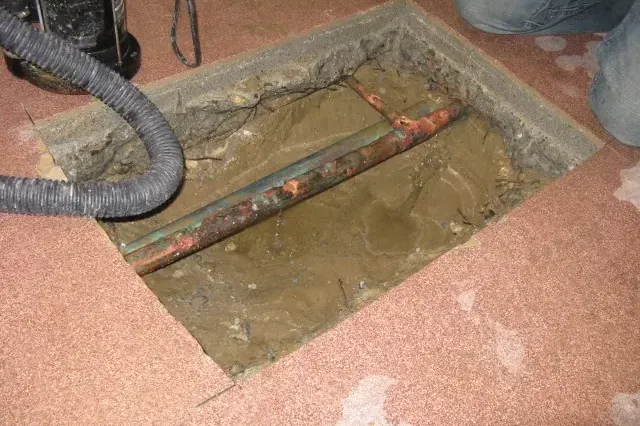
Where a concealed pipe release affected the floor, slab leak restoration may involve a coordinated opening and finish repair. Whatever the source, the drying handoff should identify retained materials and outstanding work before new surfaces enclose the assembly.

A dry touch test is one observation. Material condition and recorded moisture progress provide the stronger basis for removing equipment and scheduling the next repair stage.
Service area

Structural drying coverage

For work near Arneson Garden, Logging Road Trail or Northwood Park, describe the rooms and materials already exposed. Existing moisture notes, removal records and equipment access details help organize drying around the building's actual affected assemblies.

The same service nearby: structural drying in West Linn, Wilsonville, Sherwood.

Water damage restoration in Canby · every town covered
Questions

Structural Drying questions

01Why measure materials when the room feels dry?

Room air and building layers can recover at different rates. Measurements help identify moisture inside the affected assembly, especially where dense materials or coverings slow drying beyond what a surface touch test reveals.

02Does more equipment always improve drying?

Equipment needs to match the affected materials and available access. Extra airflow in the room may offer little benefit to a sealed wet cavity, so inspection and placement decisions matter alongside equipment capacity.

03Can windows stay open during the work?

The drying setup depends on controlled conditions. Window use should be discussed with the restoration contact because outside air can change how the equipment performs and how moisture leaves the affected materials indoors.

04What happens if a reading stops improving?

A slow area should be evaluated for restricted access, material density or continuing water entry. The response may involve opening another layer or adjusting the setup instead of simply assuming the whole room needs more time.

05Are all wet materials kept for drying?

No. Damage, contamination and access can make some layers unsuitable for retention. The scope should explain removal decisions and identify the remaining structural materials that will receive controlled drying and repeated condition checks.

06What shows that finish work can begin?

The handoff combines moisture findings, material condition and source repair information. That record helps the next trade understand which assemblies are ready and whether any remaining access or repair task must be completed first.

24/7 water restoration

Prepare retained materials for repair

A recorded moisture assessment helps explain equipment adjustments and the point at which the affected assembly can move toward finish restoration.

(888) 373-8814Wet rooms? Call