West Linn Water Damage RestorationWater extraction and structural drying
Standing water recovery

Water Extraction in Canby, OR

Water pooled across a room needs a safe removal route before drying can begin. Canby extraction planning accounts for the water source, floor layers and permission to reach every affected space.

(888) 373-8814Plan the water removal
  • Recover pooled water
  • Inspect floor edges
  • Coordinate room access
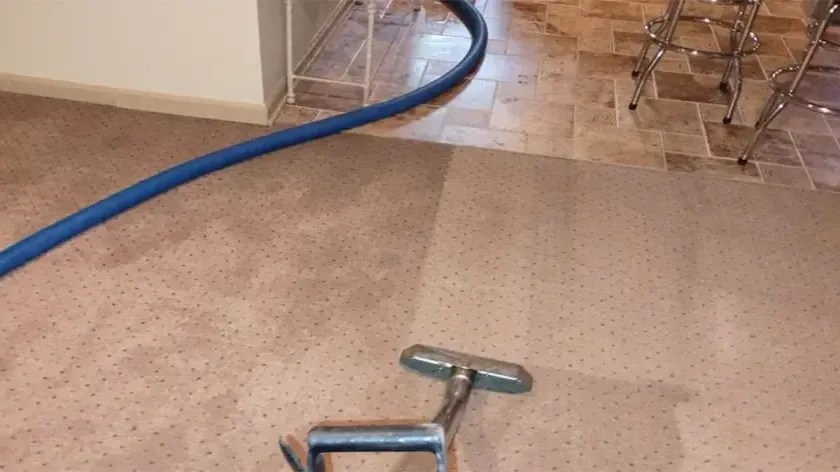
Extraction wand and hose recovering water from saturated indoor carpet
Starting taskMake wet areas accessible
Removal targetRecoverable liquid in materials
Next decisionCheck underlying floor layers
HandoffMeasured drying
First steps

What to do before water extraction

  1. Keep the route dry. People should stay out of water near electrical devices. A dry entrance and clear walkway allow inspection without crossing a potentially energized or contaminated area.
  2. Describe the release. The discovery time, suspected source and rooms involved help distinguish a small isolated spill from water that continued moving through the building before anyone noticed.
  3. Arrange owner contact. Where the home is rented, notify the property manager and identify who can approve entry or movement of building finishes before extraction reaches concealed layers.
  4. Preserve the initial scene. Capture the water edge and affected possessions from a safe position. Keep the pictures together with notes about items moved before recovery equipment arrived.

Water Extraction assessment

Establish the wet perimeter
Inspection traces liquid across adjoining surfaces and records the source status. The perimeter includes suspicious transitions even when their upper surface no longer looks wet.
Choose a recovery method
Pumps or extraction tools are selected for the accessible water and material condition. The method should recover liquid without adding avoidable damage to salvageable finishes.
Revisit concealed edges
After the main pool clears, attention shifts to padding, trim and adjoining rooms. Remaining moisture can change the opening or drying scope discussed with the owner.
Record the remaining work
Notes identify what was extracted and what still needs drying. That handoff supports equipment placement and later decisions about returning furniture or replacing affected finishes.
How the work proceeds

How water extraction is handled

  1. 1

    Establish the wet perimeter

    Inspection traces liquid across adjoining surfaces and records the source status. The perimeter includes suspicious transitions even when their upper surface no longer looks wet.

  2. 2

    Choose a recovery method

    Pumps or extraction tools are selected for the accessible water and material condition. The method should recover liquid without adding avoidable damage to salvageable finishes.

  3. 3

    Revisit concealed edges

    After the main pool clears, attention shifts to padding, trim and adjoining rooms. Remaining moisture can change the opening or drying scope discussed with the owner.

  4. 4

    Record the remaining work

    Notes identify what was extracted and what still needs drying. That handoff supports equipment placement and later decisions about returning furniture or replacing affected finishes.

Planning the work

What does water extraction cost in Canby, OR?

Water extraction costs in Canby reflect the amount of recoverable liquid, floor materials and access to hidden areas. Inspection establishes whether the loss remains contained or requires removal across several connected rooms.

Small contained pool

$700 to $1,500
  • Open floor access
  • Limited wet belongings
  • Simple recovery route

Several wet rooms

$1,500 to $3,000
  • Connected floor areas
  • More material checks
  • Additional recovery passes

Deep or concealed water

$3,000 to $4,500+
  • Trapped liquid access
  • Layered floor assessment
  • Complex pumping setup

The scope reflects water category, affected area, material class and the delay before drying. water damage cost calculator.

Extraction is most useful when the operator can follow water beyond the center of a puddle. Liquid travels under furniture, against baseboards and into absorbent floor layers. Recovering that water reduces the load left for drying equipment and makes the edges of the damage easier to inspect. The first visit should identify both accessible water and the spaces that still need opening.

Arrange access around the people responsible

Canby's census housing figures include 66.8% owner occupied homes and 33.2% rented homes among occupied units. An owner may authorize access directly, while a tenant should involve the property manager in decisions about floor coverings and permanent finishes. Photos taken before extraction help both parties understand the original spread and record belongings moved out of the wet area.

Check transitions instead of stopping at the puddle

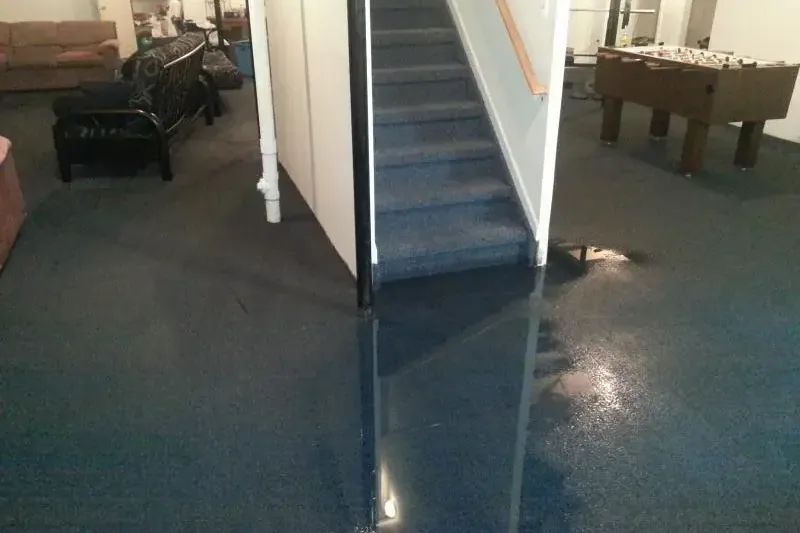
A doorway can look dry while padding continues beneath it. Cabinet bases and changes in flooring also interrupt the visible water edge. Inspection should consider those transitions before choosing a removal method. Where water has reached a lower room, basement water removal may require a separate pumping and access plan.

  • Carpet extraction should account for the condition of the underlying padding.
  • Hard floor seams can conceal water beneath an apparently clear surface.
  • Furniture feet and stored boxes may transfer moisture into adjoining areas.
  • Wall bases deserve checks when water remained against them during the release.

Connect extraction to the next stage

Ivy Street and Oregon Route 99E provide familiar location references, and Wait Park can help describe nearby access. Inside the property, the useful information is more specific: which rooms connect, which finishes are wet and whether the source has stopped. That room map informs structural drying once pooled liquid is recovered.

A successful extraction visit leaves more than a cleaner floor. It identifies remaining moisture, documents materials that need attention and gives the owner a clear explanation of the next work before furniture returns.
Service area

Water extraction coverage

For properties near Ivy Street, Wait Park or Arneson Garden, access details matter as much as the location. Describe the wet room, the available entrance and any locked areas that could prevent inspection of adjoining materials.

The same service nearby: water extraction in West Linn, Wilsonville, Sherwood.

Water damage restoration in Canby · every town covered
Questions

Water Extraction questions

01Is extraction enough for a wet carpet?

The visible carpet surface is only part of the assembly. Padding and the floor below need evaluation, with material condition and contamination determining whether they can remain for drying.

02Can a household vacuum remove the puddle?

A standard household vacuum should not be used for liquid recovery. Electrical safety and the type of water must be assessed before any equipment is brought into the affected space.

03Why check a room beside the wet one?

Water can move beneath a doorway or floor covering before a visible stain appears. Adjoining room checks help locate that hidden spread and prevent a premature end to the cleanup.

04Must furniture leave the room?

Some items can be protected or moved within the property, while heavily affected pieces may need separate handling. Their condition and the access needed for extraction determine the practical arrangement.

05What can a renter prepare before arrival?

Contact information for the property manager, photographs and a description of the affected rooms help organize authorization. A tenant should avoid pulling up permanent flooring or opening walls independently.

06When does the next drying stage begin?

Drying planning begins during inspection and continues after accessible liquid is recovered. Moisture readings help establish which materials still need controlled airflow, dehumidification or additional access beneath the surface.

24/7 water restoration

Recover the water and assess what remains

A room by room assessment connects liquid removal with the drying attention still needed beneath floors and along walls.

(888) 373-8814Wet rooms? Call