West Linn Water Damage RestorationWater extraction and structural drying
After the liquid is gone

Structural Drying in Wilsonville

The room may look ready while water remains inside its building layers. Wilsonville structural drying uses moisture measurements to decide where airflow, dehumidification and selective access are needed before those layers receive new finishes.

(888) 373-8814Assess retained building moisture
  • Material based readings
  • Controlled evaporation
  • Recorded drying progress
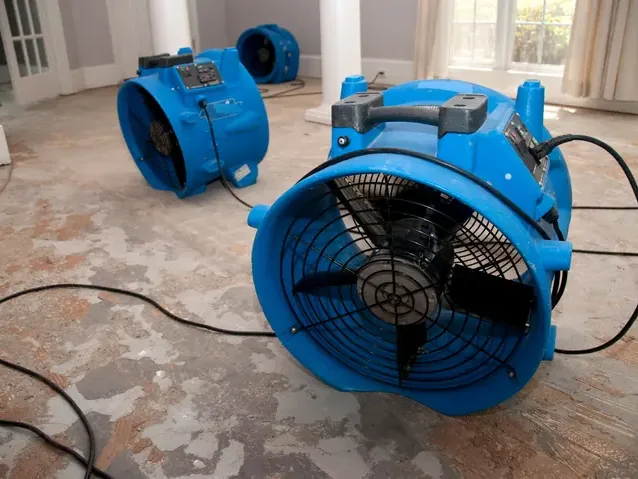
Air movers and dehumidification equipment arranged to dry a room
Starting conditionLiquid removal completed
Drying targetMoisture held in materials
Equipment roleEvaporate and remove moisture
Finish decisionCompare measured progress
First steps

What to do before structural drying

  1. Keep the source status clear. Share repair findings and describe whether any new water has appeared since extraction. Continued release can undermine the drying setup and requires attention before progress can be judged.
  2. Identify previous removal work. Explain which finishes or belongings were removed and which wet sections remain enclosed. That history helps the assessment focus on materials still needing access or measurement.
  3. Preserve equipment access. Keep belongings and foot traffic away from the planned drying positions. Airflow paths, collection arrangements and safe electrical access need to remain usable while the setup is operating.
  4. Report changing room conditions. New drips, shifted equipment or a closed access opening should be reported to the restoration contact. These changes can affect the moisture trend and the usefulness of repeat readings.

Structural Drying assessment

Set material drying objectives
The assessment identifies affected layers and appropriate comparison conditions. Initial readings create a starting record so later decisions can be tied to changes in the actual materials.
Build the drying environment
Air movement and dehumidification are arranged for the wet assembly and room access. Enclosed sections receive an access decision before equipment performance is judged at the surface.
Compare repeat measurements
Progress checks revisit the relevant materials and locations. Slow sections are reviewed for hidden moisture, ongoing entry or restricted airflow so the setup can be adjusted purposefully.
Document readiness and damage
The closeout inspection separates completed moisture recovery from physical finish damage. Repair planning can then address warped or removed materials after the retained assembly meets its drying objectives.
How the work proceeds

How structural drying is handled

  1. 1

    Set material drying objectives

    The assessment identifies affected layers and appropriate comparison conditions. Initial readings create a starting record so later decisions can be tied to changes in the actual materials.

  2. 2

    Build the drying environment

    Air movement and dehumidification are arranged for the wet assembly and room access. Enclosed sections receive an access decision before equipment performance is judged at the surface.

  3. 3

    Compare repeat measurements

    Progress checks revisit the relevant materials and locations. Slow sections are reviewed for hidden moisture, ongoing entry or restricted airflow so the setup can be adjusted purposefully.

  4. 4

    Document readiness and damage

    The closeout inspection separates completed moisture recovery from physical finish damage. Repair planning can then address warped or removed materials after the retained assembly meets its drying objectives.

Planning the work

What does structural drying cost in Wilsonville, OR?

Structural drying in Wilsonville varies with material density, concealed access and the area still holding moisture. These ranges compare equipment and recovery complexity; removal work, source repairs and replacement finishes should be explained separately in the scope.

Open, limited wet area

$1,000 to $2,000
  • Accessible retained materials
  • Simple airflow arrangement
  • Focused progress readings

Several affected assemblies

$2,000 to $3,800
  • Different material responses
  • Broader equipment placement
  • Multiple monitoring locations

Dense or concealed layers

$3,800 to $5,500+
  • Restricted evaporation paths
  • Additional access decisions
  • Complex moisture tracking

The scope reflects water category, affected area, material class and the delay before drying. water damage cost calculator.

Drying is a material recovery process, not simply a period with fans running. Moisture can remain inside wood, behind wallboard or beneath a floor covering long after standing water has been extracted. In Wilsonville, the equipment plan should respond to those specific layers and the access available to reach them.

Start with the assembly that became wet

Old Town is the city's oldest neighborhood, and Villebois is a planned community on the western edge. At either property, the actual wall or floor construction matters more to drying than the neighborhood label. Measurements should identify which layers absorbed water and compare them with suitable unaffected material where possible.

Make airflow reach the moisture

Air moving across a finish can support evaporation, but an enclosed pocket may need access before it responds. Dehumidification removes water vapor from the drying environment. The setup should address both functions, with equipment positioned so it works on the affected assembly rather than only making the room feel drier.

  • Trim can restrict access to a damp lower wall edge.
  • Floor coverings may slow evaporation from the layer underneath them.
  • Dense materials can respond differently from exposed absorbent finishes.
  • Closed cavities need an assessment of how moisture will escape.

Use progress to direct the next decision

A Canyon Creek North property with several wet materials may show different drying rates within the same room. Repeat readings help identify whether an area needs more access, adjusted equipment or a removal decision. Water extraction should precede this work wherever accessible liquid remains in the assembly.

If the original release came from an appliance, appliance leak cleanup may also require cabinet access before drying can proceed. Finish repair should follow an evaluation of the readings and the physical condition of the retained materials. Dryness and salvageability are separate decisions when a panel or floorboard has already changed shape.
Service area

Structural drying coverage

Old Town, Villebois and Canyon Creek North are local settings for material recovery assessments. The drying discussion should identify the wet assembly, previous extraction work and any enclosed surfaces that remain inaccessible, along with occupied areas that need a clear route.

The same service nearby: structural drying in West Linn, Sherwood, Canby.

Water damage restoration in Wilsonville · every town covered
Questions

Structural Drying questions

01Why does a room need drying after extraction?

Extraction removes liquid that equipment can recover directly. Water absorbed into wood, wallboard or floor layers remains behind. Drying provides a controlled way for that moisture to leave the material and be removed from the room air.

02Is room humidity enough to judge completion?

Air conditions describe the drying environment, but the building materials need their own measurements. A room can feel dry while a concealed layer remains damp. Progress should be assessed at the affected assemblies rather than by comfort alone.

03Can the equipment be moved out of the way?

Moving equipment can reduce airflow or interrupt collection arrangements. The restoration contact should resolve access conflicts. A revised position should preserve safe movement while continuing to address the material targeted by the setup.

04Why might a wall section need opening?

An enclosed wet layer may not release moisture effectively through the visible finish. Selective access can reach that pocket and allow condition checks. The scope should explain why the opening is needed and which material will remain for drying.

05Does drying repair a swollen floorboard?

Removing moisture does not always reverse physical distortion or finish damage. The final assessment should consider both dryness and condition. Some materials can remain, while others need repair or replacement even after their moisture levels have improved.

06What records should accompany the finished work?

Initial and repeat material readings, access notes and equipment changes help explain the drying process. The handoff should identify remaining physical damage and any source work still required, so later repairs do not conceal an unresolved wet area.

24/7 water restoration

Establish when the assembly is ready

Arrange a measured evaluation of drying progress before repaired walls, flooring or cabinetry cover the affected building materials again.

(888) 373-8814Wet rooms? Call