West Linn Water Damage RestorationWater extraction and structural drying
Damage revealed as pipes thaw

Frozen Pipe Water Damage in Sherwood

A frozen section may hide a split until flow returns. Sherwood restoration begins with the leaking property's actual pipe condition, then checks for wet insulation, wall cavities and floors as plumbing repairs and thaw related changes are addressed.

(888) 373-8814Assess damage after pipe thawing
  • Thaw leak assessment
  • Additional source checks
  • Concealed material recovery
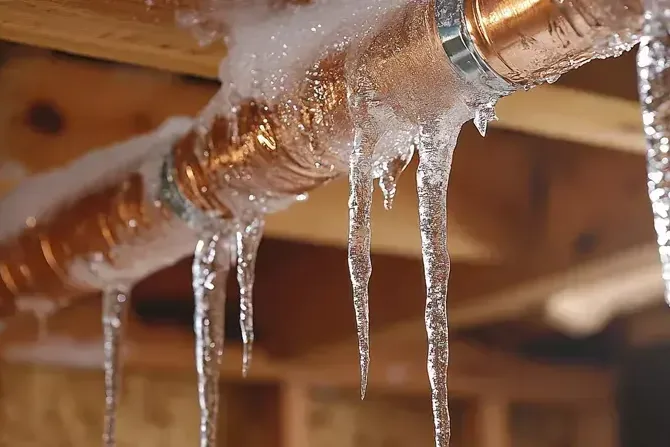
Icicles hanging from an exposed copper pipe inside a framed space
Changing conditionLeaks emerging during thaw
Pipe assessmentCheck the affected sections
Material concernInsulation and hidden cavities
Work sequenceStabilize then assess drying
First steps

What to do before frozen pipe water damage

Sherwood lists Public Works customer service and after hours assistance in its directory. Indoor leaking and wet building materials should be described separately from any public supply interruption when the property contact arranges help.

  1. Leave thawing methods to professionals. Open flames and improvised high heat can damage materials or create additional hazards. The property owner should arrange appropriate plumbing assessment instead of attempting aggressive thawing inside a concealed assembly.
  2. Report changing flow and leaks. The caller should describe the order of symptoms and any newly wet rooms. A change from restricted flow to visible water helps the plumbing professional prioritize the affected sections.
  3. Keep vulnerable rooms clear. Occupants should avoid areas beneath wet ceilings and near electrical equipment. Stored belongings should only be moved when the route is dry and the surrounding materials remain stable.
  4. Maintain access during repair. The responsible property party should arrange entry to pipe spaces and affected rooms. Access may be needed again if thawing reveals a further leak or drying checks identify concealed moisture.

Frozen Pipe Water Damage assessment

Establish the active source status
The assessment records supply isolation, known pipe damage and changing leak observations. Plumbing and restoration contacts coordinate so renewed flow does not undermine the planned interior recovery.
Trace water into enclosures
Moisture checks follow the affected pipe route through accessible cavities and adjoining surfaces. Wet insulation and damaged finishes are evaluated before a drying approach is selected.
Recover and expose wet materials
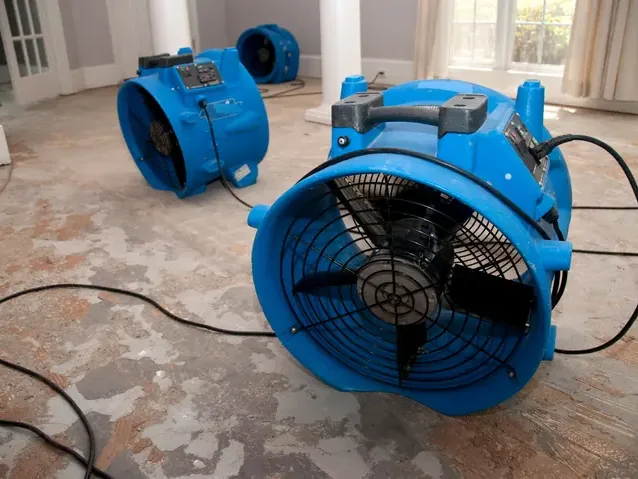
Accessible water is extracted and necessary removal creates drying access. Retained framing, wall layers and floor assemblies receive equipment placement suited to their measured moisture condition.
Compare drying and pipe repairs
Material checks are compared with new source observations. The handoff separates completed drying from insulation replacement, finish repairs and plumbing tasks awaiting completion.
How the work proceeds

How frozen pipe water damage is handled

  1. 1

    Establish the active source status

    The assessment records supply isolation, known pipe damage and changing leak observations. Plumbing and restoration contacts coordinate so renewed flow does not undermine the planned interior recovery.

  2. 2

    Trace water into enclosures

    Moisture checks follow the affected pipe route through accessible cavities and adjoining surfaces. Wet insulation and damaged finishes are evaluated before a drying approach is selected.

  3. 3

    Recover and expose wet materials

    Accessible water is extracted and necessary removal creates drying access. Retained framing, wall layers and floor assemblies receive equipment placement suited to their measured moisture condition.

  4. 4

    Compare drying and pipe repairs

    Material checks are compared with new source observations. The handoff separates completed drying from insulation replacement, finish repairs and plumbing tasks awaiting completion.

Planning the work

What does frozen pipe water damage cost in Sherwood, OR?

Frozen pipe water damage costs in Sherwood increase with concealed wet insulation and the number of rooms reached during thawing. Plumbing investigation and repair should remain distinct from the interior cleanup and drying estimate.

Localized thaw leak

$1,200 to $2,700
  • Accessible pipe area
  • Limited finish exposure
  • Focused recovery work

Wall and insulation damage

$2,700 to $4,800
  • Wet cavity materials
  • Selective insulation removal
  • Framing drying access

Several affected rooms

$4,800 to $7,000+
  • Multiple moisture paths
  • Expanded equipment placement
  • Coordinated repair staging

The scope reflects water category, affected area, material class and the delay before drying. water damage cost calculator.

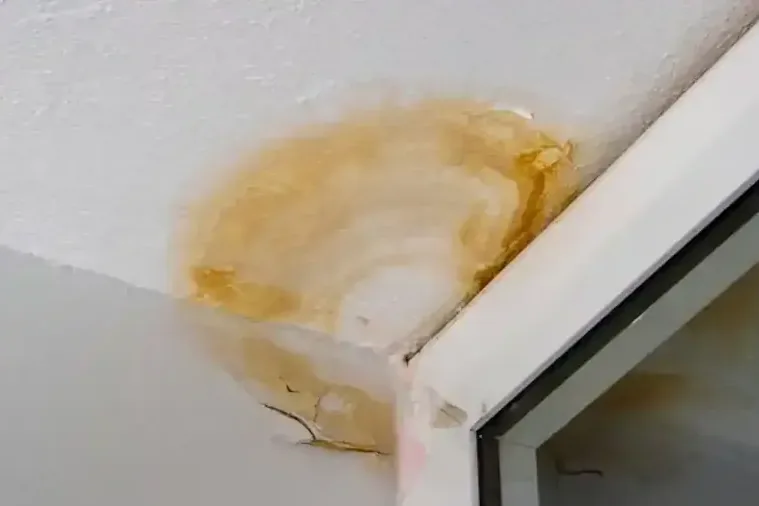
Reduced flow and a later wet wall can be parts of the same pipe problem. When a damaged frozen section begins passing water again, a concealed split may release into the building. Cleanup planning must account for that changing condition, with the plumbing professional checking the source while restoration follows water into the materials around and below it.

Keep the observations in sequence

The owner should describe when flow changed, when the first leak appeared and which supply controls have been used. These details help distinguish the original symptoms from water released later. A repaired visible break may be only part of the assessment when other affected sections remain inaccessible or have not yet returned to normal operating conditions.

Sherwood lists Public Works customer service and after hours assistance in its department directory. For a property near Brookman, SW Pine Street or SW Willamette Street, the initial report should clearly describe indoor damage and any separate supply concern. The restoration scope remains focused on the wet materials at that property.

Inspect insulation and enclosed pipe routes

Water released inside an enclosure can soak insulation before marking the finish. Where access is safe, the assessment follows the route into wall bases, ceiling layers and floor transitions. Wet insulation may limit drying access or lose suitability for retention. The removal decision should explain which material condition or access requirement makes opening the assembly necessary.

  • Record fresh wetting separately from stains left by the first release.
  • Check cavities adjacent to the repaired section where water could travel.
  • Preserve dry access for the plumber and restoration equipment throughout the work.

Resume normal use after both tasks are addressed

The burst pipe cleanup approach applies to the released water, while structural drying deals with retained damp assemblies after source control. Monitoring should note renewed moisture as well as drying progress. Before finishes are replaced, the handoff needs to explain the pipe repair status, removed insulation and condition of retained framing, rather than relying on restored tap flow as the sole sign of completion.
Service area

Frozen pipe water damage coverage

Homes around SW Sunset Boulevard and SW Timbrel Lane can report reduced flow followed by visible leaking. The property discussion should identify accessible pipe areas, current supply status and rooms that became wet as the plumbing condition changed.

The same service nearby: frozen pipe water damage in West Linn, Wilsonville, Lake Oswego.

Water damage restoration in Sherwood · every town covered
Questions

Frozen Pipe Water Damage questions

01Why can a leak appear after flow improves?

A frozen damaged section may begin releasing water as it thaws. Improved tap flow therefore needs to be considered alongside new wet surfaces, with the plumbing professional checking whether a split or failed connection has opened.

02Should a homeowner use a torch to thaw piping?

Open flame creates serious hazards around enclosed building materials and plumbing. The safer course is appropriate professional assessment of the affected pipe, especially when its full route or nearby electrical conditions cannot be seen.

03Can insulation remain wet after the pipe is fixed?

Yes. Water already absorbed by insulation remains a separate material problem. Its condition and drying access need evaluation, and removal may be necessary before retained framing or adjacent layers can be properly assessed and dried.

04Does every affected pipe reveal damage together?

Conditions can change as different sections thaw or return to service. New leaking should be reported promptly to the plumbing contact, and restoration observations should distinguish fresh wetting from moisture left by the initial release.

05What should be checked below the pipe space?

Ceilings, wall bases and floor transitions below the release may receive water through concealed openings. The assessment follows that path rather than limiting the inspection to the spot where the pipe repair was completed.

06What indicates readiness for interior repairs?

The source condition should be stable and retained materials should meet suitable drying targets. The handoff should identify removed insulation and damaged finishes so reconstruction does not close an assembly that still needs moisture treatment.

24/7 water restoration

Check the materials around the repaired pipe

A recovery plan should connect stable plumbing conditions with moisture checks and a clear account of the remaining interior repair work.

(888) 373-8814Wet rooms? Call