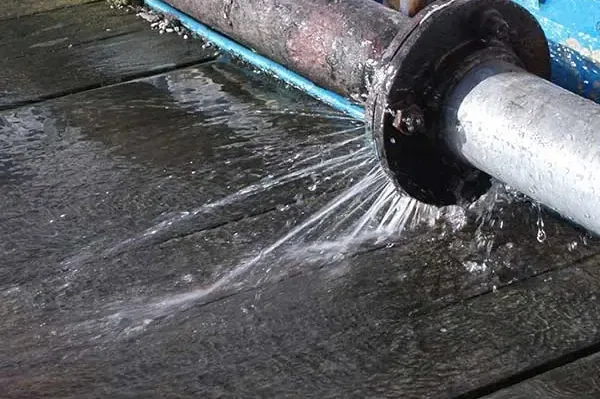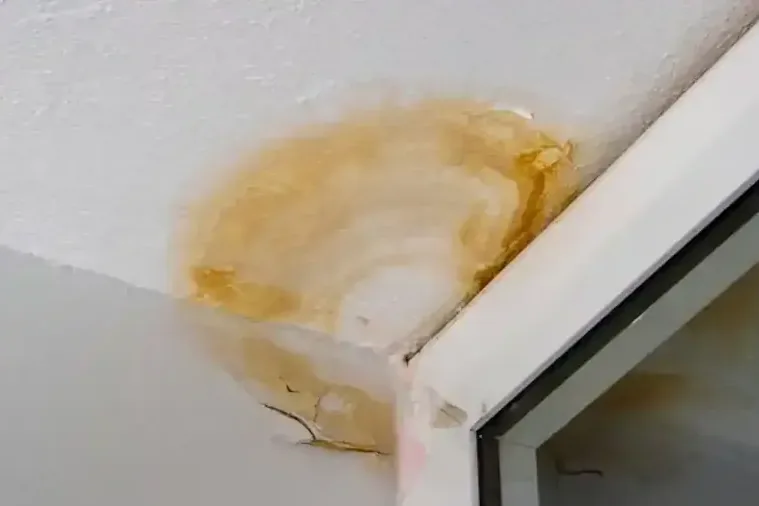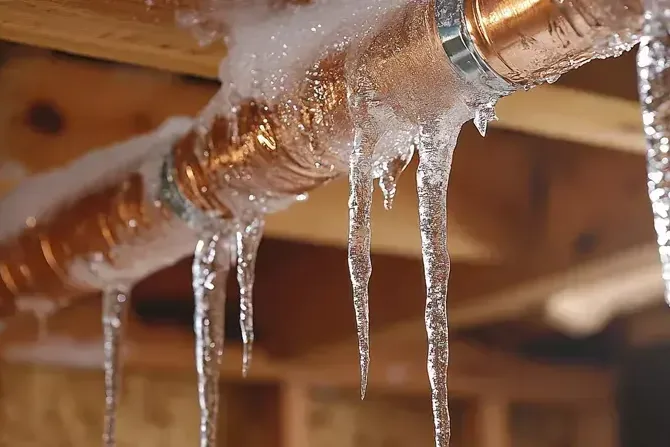
A quiet cold spell can be followed by water running from a previously dry wall. Lake Oswego warns that pipes and faucets near exterior walls may freeze and burst, with water problems appearing when warmer temperatures return. Cleanup needs to address the resulting wet assembly as soon as the source can be controlled safely.
Use the thaw history to direct the inspection
The owner can note reduced flow, the return of water and the first damp surface. Those observations help a plumbing professional investigate the pipe while the cleanup assessment follows the escaped water. A release inside an exterior wall may wet insulation before it reaches the baseboard, leaving the visible floor patch smaller than the affected cavity.
Mountain Park, Westridge and Hallinan Heights are local neighborhood references. The inspection within each property should focus on the actual pipe position, wall assembly and water pathway. The location of a room relative to an exterior wall can be more useful to that assessment than the appearance of its finished surface.
Wet insulation needs its own decision
Insulation can obstruct access to framing and hold moisture where air cannot circulate. The cleanup plan should evaluate that material separately from the surrounding wood or wallboard. Removal may be needed because of saturation, physical damage or the need to reach retained surfaces, rather than simply because a pipe was frozen nearby.
- Check below the suspected pipe opening for water collecting against lower framing.
- Follow wetting into floor coverings that connect the exterior wall with adjoining rooms.
- Inspect overhead surfaces when the affected pipe sits above an occupied space.
- Keep damaged finishes accessible until source repair and material checks are coordinated.
Return warmth without adding another hazard
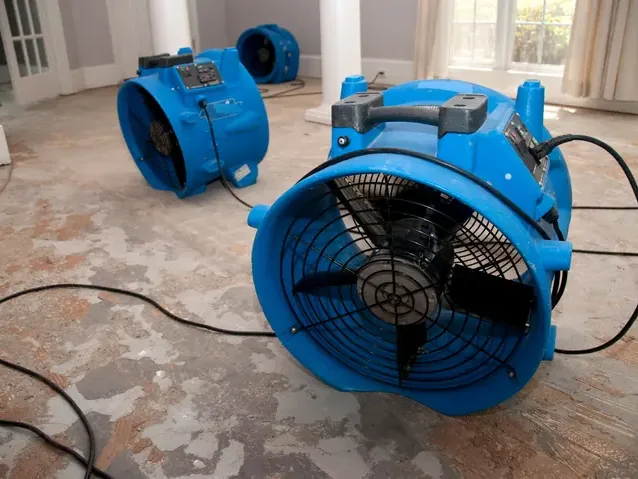
Thawing and plumbing repairs belong with the appropriate professional. When the leak has stopped, burst pipe cleanup may describe the recovery stage, followed by structural drying for the retained wall and floor layers.
The completion record should cover the drying work and any insulation or finish replacement still needed. Rebuilding should follow the condition of the assembly after the release, including concealed surfaces that stayed wet beyond the first visible thaw.