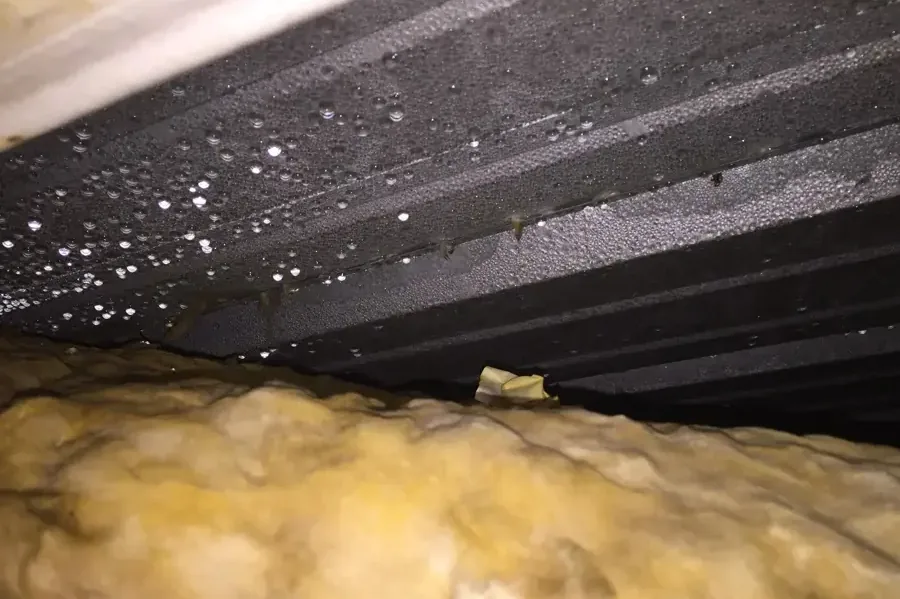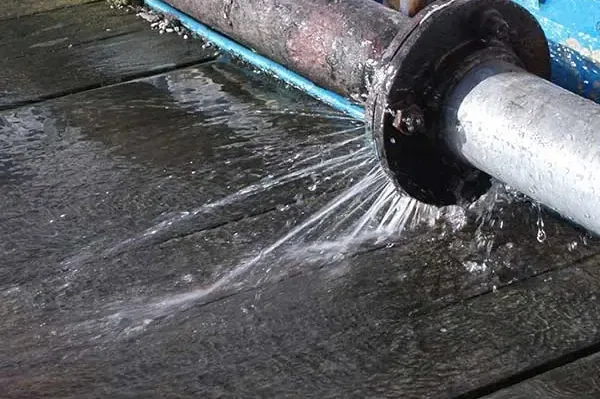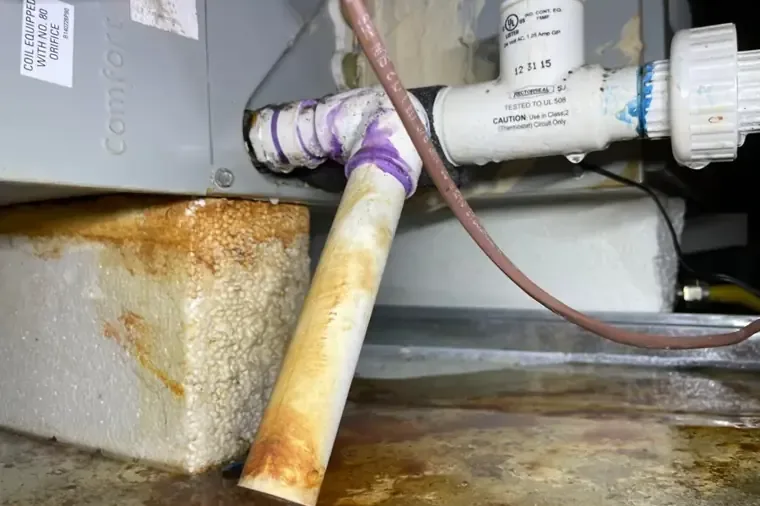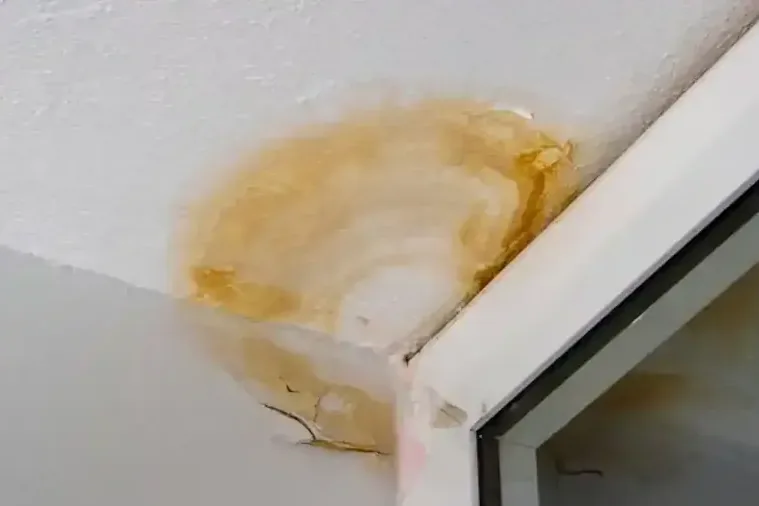
A ceiling mark can grow slowly or appear after a sudden release upstairs. Either way, the first task is to evaluate the overhead material and restrict access where it has softened or sagged. Water may follow a joist or another concealed surface before dripping, so the source investigation needs to extend beyond the center of the visible stain.
Make the room below safe to assess
Wet wallboard and insulation can add weight above occupied space. Furniture beneath the affected area should not tempt occupants to stand under a bulge while moving it. The assessment establishes safe access and decides how any necessary opening will be controlled. Electrical fixtures within the wet zone require their own appropriate evaluation.
In Sherwood, rented homes form part of the housing mix alongside owner occupied properties. A resident near SW Pine Street, SW Sunset Boulevard or Brookman should notify the person responsible for repairs and describe both the ceiling condition and access to the room or equipment above it.
Trace the water before repairing the finish
Potential sources include plumbing, equipment drainage and rain entry. Timing can help direct the inspection: a mark that changes with fixture use presents a different starting point from one that appears during rain. The source is established through the actual property conditions, then coordinated with cleanup of the affected ceiling assembly.
- Compare the stain edge with accessible surfaces above the room.
- Inspect adjoining wall tops where water may leave the ceiling cavity.
- Record visible changes before controlled removal alters the damaged panel.
Decide what can stay inside the assembly
Wet insulation, distorted panels and retained framing each need a material decision. If plumbing released the water, burst pipe restoration can connect the source to adjacent damage. When the path begins outdoors, roof leak cleanup considers the enclosure and attic layers. Drying should reach the retained surfaces and be checked before new ceiling material is installed. Cosmetic patching comes after the source and moisture work, with the repair handoff identifying what was removed and what remains ready to finish.