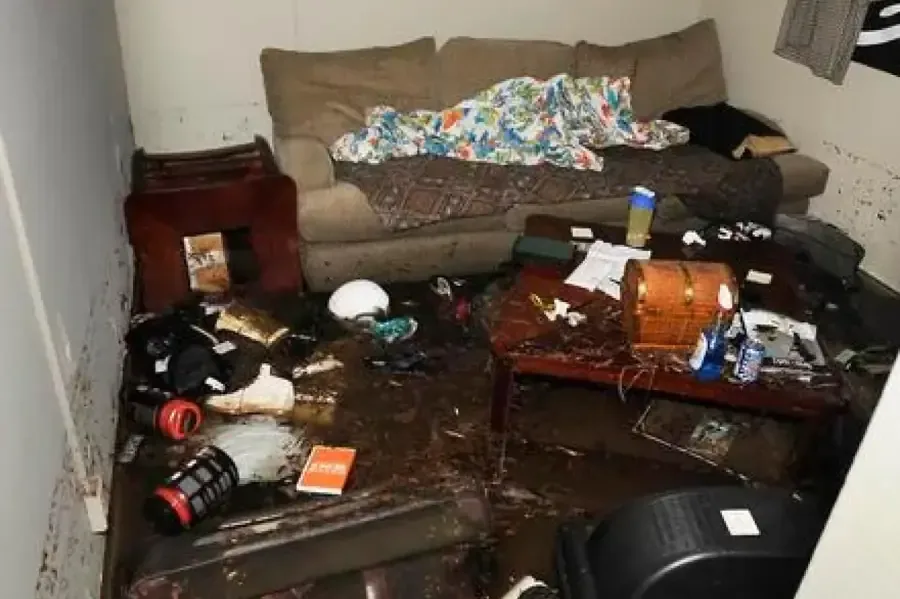
West Linn Water Damage RestorationWater extraction and structural drying
Pooled water recovery

Water Extraction in Sherwood

Standing water can spread through a doorway before its source becomes obvious. Extraction in Sherwood focuses on safe recovery, access beneath absorbent finishes and a clear handoff to drying once the liquid is removed.

(888) 373-8814Discuss standing water removal
  • Accessible pool recovery
  • Floor layer assessment
  • Occupant access planning
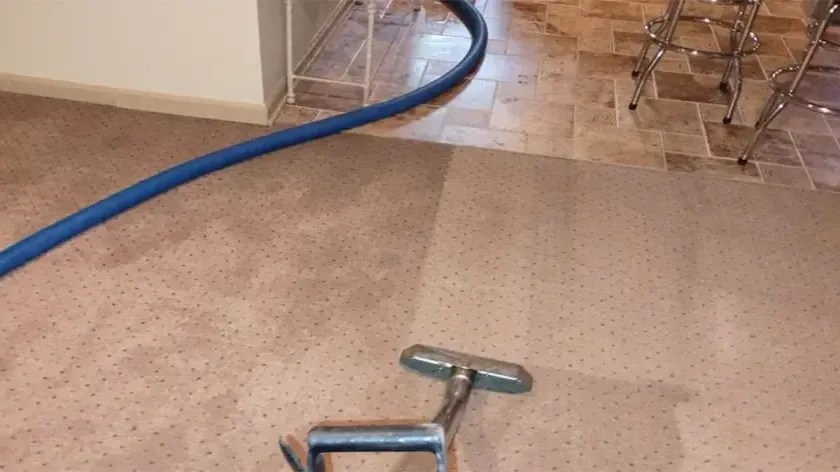
Extraction wand and hose recovering water from saturated indoor carpet
First prioritySafe access to water
Hidden loadBacking and floor edges
Access contactOwner or property manager
Next decisionMaterial drying requirements
First steps

What to do before water extraction

  1. Observe from dry ground. The occupant should describe water depth and affected surfaces without stepping into a room where electrical devices, unstable flooring or an unknown water source create hazards.
  2. Limit an active supply. A safe, accessible shutoff may stop additional clean water entering. If reaching it involves crossing the affected room, the task belongs with qualified assistance instead.
  3. Confirm entry permission. The owner or manager should arrange access to connected rooms and explain any occupant needs that affect equipment routes, contents handling or temporary room restrictions.
  4. Preserve a useful record. Photographs of the wet boundary and damaged belongings help document the original condition. Items should remain identifiable even when they need moving for safe extraction.

Water Extraction assessment

Trace the visible pool
The assessment follows water across floor transitions and wall edges, then checks adjacent areas to establish a practical recovery boundary before equipment is placed.
Select the recovery method
Surface type, water condition and available access determine the extraction approach. Absorbent finishes receive attention beyond a simple pass over the visible standing water.
Inspect the exposed layers
After recovery, accessible backing and floor edges are checked for retained moisture. Damaged or contaminated materials receive a separate retention or removal decision.
Set the drying handoff
The remaining moisture map informs equipment placement and monitoring. The property contact receives a distinction between completed liquid recovery and assemblies still needing drying.
How the work proceeds

How water extraction is handled

  1. 1

    Trace the visible pool

    The assessment follows water across floor transitions and wall edges, then checks adjacent areas to establish a practical recovery boundary before equipment is placed.

  2. 2

    Select the recovery method

    Surface type, water condition and available access determine the extraction approach. Absorbent finishes receive attention beyond a simple pass over the visible standing water.

  3. 3

    Inspect the exposed layers

    After recovery, accessible backing and floor edges are checked for retained moisture. Damaged or contaminated materials receive a separate retention or removal decision.

  4. 4

    Set the drying handoff

    The remaining moisture map informs equipment placement and monitoring. The property contact receives a distinction between completed liquid recovery and assemblies still needing drying.

Planning the work

What does water extraction cost in Sherwood, OR?

Water extraction in Sherwood ranges with the amount of accessible liquid, floor construction and movement needed to reach it. Concealed water and contaminated materials can expand the work beyond a straightforward surface recovery.

Small contained pool

$700 to $1,500
  • Accessible floor surface
  • Limited furniture movement
  • Focused water recovery

Several wet rooms

$1,500 to $3,000
  • Connected floor areas
  • Additional carpet passes
  • Broader moisture mapping

Deep or concealed water

$3,000 to $4,500+
  • Restricted recovery access
  • Hidden wet layers
  • Expanded removal planning

The scope reflects water category, affected area, material class and the delay before drying. water damage cost calculator.

A puddle describes only the visible part of a water loss. Carpet can hold water beyond its darkest patch, while a smooth floor may direct it beneath a partition. An extraction assessment starts with the source and checks the surfaces that carried water away from it, including transitions into apparently unaffected rooms.

Arrange entry before moving equipment

Sherwood includes both owner occupied and rented homes. A tenant's description of where water appeared can help the responsible owner authorize access and explain which rooms need to stay usable. For properties around SW Pine Street, SW Willamette Street or SW Odge Gribble Lane, the conversation should identify the actual entrance, stairs and any locked interior doors.

Furniture movement requires a practical plan. Heavy pieces should not be dragged through standing water, and contents resting on wet carpet may need separate evaluation. A dry route for occupants also keeps recovered water from being tracked into clean areas during the work.

Recover water from the right layers

Extraction equipment is selected for the surface and depth of the water. Recovery from carpet is different from collecting a pool on a hard floor. Edges, seams and backing need attention because a surface that no longer feels soaked may still carry moisture underneath. Removal decisions account for the water's condition as well as material damage.

  • Check where water crossed flooring transitions into adjoining spaces.
  • Inspect wall bases that stayed in contact with the pool.
  • Separate wet contents from dry items before moving them elsewhere.

Follow recovery with measurable drying

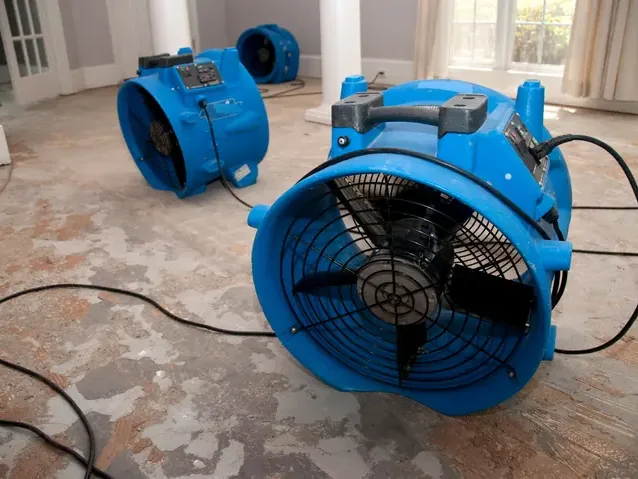
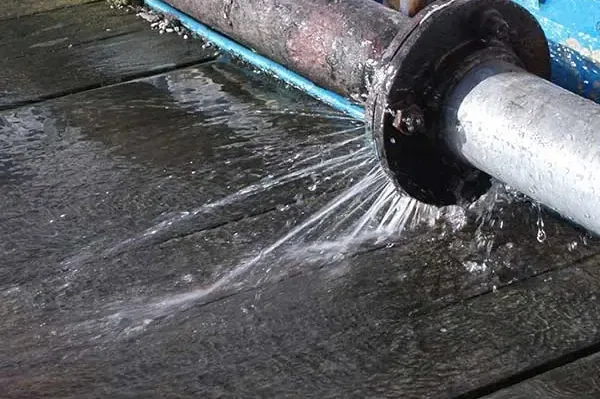
Liquid removal reduces the burden on structural drying, but it does not replace material checks. Readings after extraction establish which retained assemblies still need controlled airflow and dehumidification. If the original release came from a failed supply pipe, pipe damage cleanup also addresses concealed travel paths. The final scope should connect the recovered water to the remaining wet materials rather than end at an empty floor.
Service area

Water extraction coverage

Extraction requests can identify Brookman or SW Pine Street as a starting location. The access discussion should also describe the affected floor, entry restrictions and the person authorized to approve work inside an occupied home.

The same service nearby: water extraction in West Linn, Wilsonville, Lake Oswego.

Water damage restoration in Sherwood · every town covered
Questions

Water Extraction questions

01Is extraction enough to finish the job?

Usually the retained materials need further evaluation. Extraction collects liquid, while drying addresses moisture held inside materials. Readings after recovery determine the next work rather than the absence of visible puddles alone.

02Can wet carpet remain in place?

Its condition, backing and water exposure matter. Accessible carpet affected by a suitable source may be considered for drying, while contamination or physical damage can change the recommendation to removal.

03Should furniture be moved before arrival?

Only small items reachable from a safe dry area should be considered. Heavy furniture can hide damaged flooring, and moving it through water may create additional hazards or spread contamination.

04What details help with a rental property?

The cleanup contact needs the manager's authorization, entry arrangements and a description of occupied rooms. Those details allow recovery routes to be planned around residents and their essential access needs.

05Why inspect beyond the wet patch?

Water moves along seams and beneath finishes. A darker carpet patch may be smaller than the affected backing, so checks around its edges help avoid leaving a concealed wet area untreated.

06What if the water source remains active?

Source control needs coordination with extraction. Otherwise recovered water may be replaced immediately, leaving the floor wet again and preventing a stable starting condition for the next stage of drying.

24/7 water restoration

Get the standing water assessed

Extraction planning begins with safe access and ends with a clear account of the materials that still need drying.

(888) 373-8814Wet rooms? Call