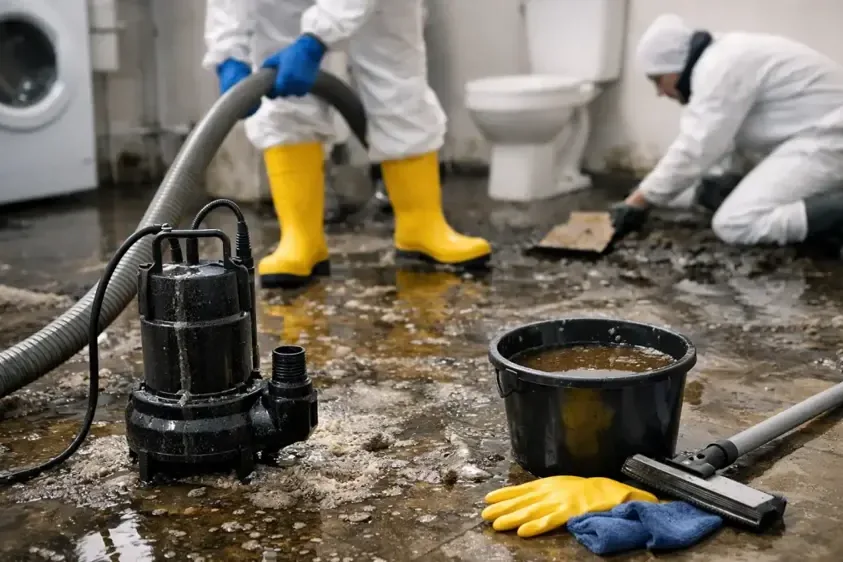
West Linn Water Damage RestorationWater extraction and structural drying
After outdoor water enters

Sherwood Flood Damage Cleanup

Mud at a doorway changes the cleanup priorities. Flood recovery in Sherwood addresses the path of outdoor water, contaminated finishes and safe removal before drying equipment can work on the materials that remain.

(888) 373-8814Assess the flooded interior
  • Entry path inspection
  • Sediment removal planning
  • Porous material decisions
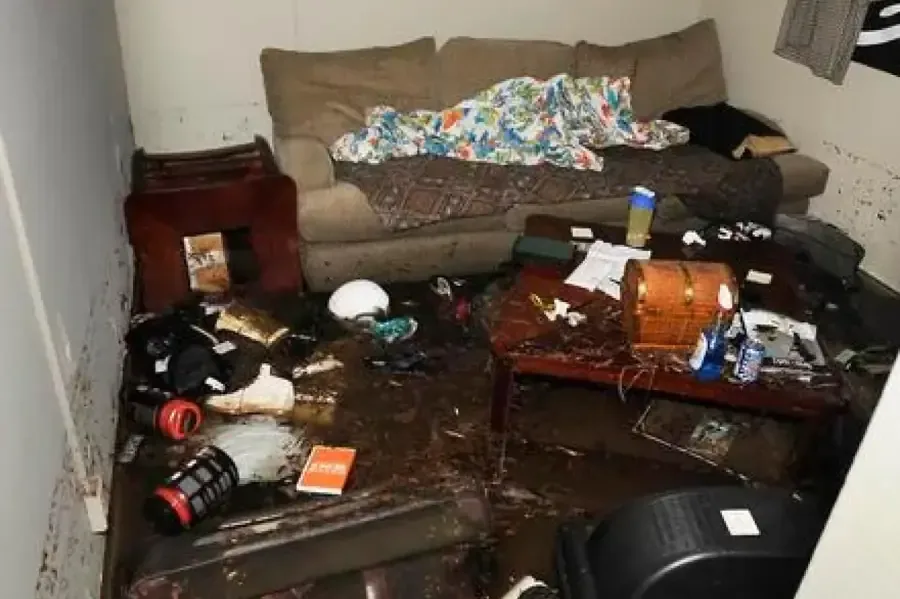
Mud and soaked household belongings across a flood-affected living room
Water pathOutdoor entry into rooms
Cleanup focusSediment and affected finishes
Public preparationSelf serve sandbag access
Drying startsAfter cleaning decisions
First steps

What to do before flood damage cleanup

  1. Stay outside unsafe water. Occupants should keep away from floodwater in rooms with electrical equipment, concealed trip hazards or unstable materials. Children and pets need a separate dry area.
  2. Record the entry route. From a secure location, photographs can show the doorway, water marks and deposited mud. This preserves useful detail before water recedes or cleanup changes the room.
  3. Separate exposed belongings. Items touched by floodwater should remain apart from unaffected possessions. The cleanup team can assess handling and disposal without carrying wet contents through normal living areas.
  4. Describe continuing entry. The property contact should explain whether water is still approaching the building, where it enters and whether access is blocked by outdoor conditions or interior damage.

Flood Damage Cleanup assessment

Define the contaminated area
Inspection follows the water marks and sediment into adjoining spaces, identifying affected finishes and suitable routes for equipment, waste removal and protected occupant movement.
Recover liquid and debris
Water removal is paired with collection of deposited material. Work progresses so residue is not left hidden under loose flooring or behind accessible trim.
Clean suitable retained surfaces
Materials are evaluated for cleanability and damage. Removal of unsuitable porous layers allows retained structural surfaces to receive the cleaning needed before controlled drying begins.
Verify drying conditions
Material readings track the response of retained assemblies. The repair handoff describes completed cleaning, remaining moisture concerns and surfaces ready for the next trade.
How the work proceeds

How flood damage cleanup is handled

  1. 1

    Define the contaminated area

    Inspection follows the water marks and sediment into adjoining spaces, identifying affected finishes and suitable routes for equipment, waste removal and protected occupant movement.

  2. 2

    Recover liquid and debris

    Water removal is paired with collection of deposited material. Work progresses so residue is not left hidden under loose flooring or behind accessible trim.

  3. 3

    Clean suitable retained surfaces

    Materials are evaluated for cleanability and damage. Removal of unsuitable porous layers allows retained structural surfaces to receive the cleaning needed before controlled drying begins.

  4. 4

    Verify drying conditions

    Material readings track the response of retained assemblies. The repair handoff describes completed cleaning, remaining moisture concerns and surfaces ready for the next trade.

Planning the work

What does flood damage cleanup cost in Sherwood, OR?

Sherwood flood cleanup costs reflect the spread of outdoor water and the materials it contaminated. Sediment, disposal needs and access behind finished surfaces can matter as much as the amount of standing water initially visible.

Limited outdoor entry

$2,000 to $4,000
  • Small affected footprint
  • Accessible sediment removal
  • Localized finish assessment

Multiple flooded rooms

$4,000 to $8,000
  • Connected contaminated surfaces
  • More contents handling
  • Expanded cleaning access

Extensive flood impact

$8,000 to $12,000+
  • Widespread porous losses
  • Complex waste movement
  • Broader drying requirements

The scope reflects water category, affected area, material class and the delay before drying. water damage cost calculator.

Outdoor water brings more than a wet floor. Soil and debris can settle behind trim, collect beneath cabinets and remain on belongings after the visible pool drains away. The recovery plan needs to account for that residue before equipment spreads air through an occupied room. Clear separation of affected and unaffected areas helps keep the work contained.

Preparation has a local starting point

Sherwood Public Works maintains an always accessible self serve sandbag location. Washington County also designates sandbag sites during flooding events. These options support preparation before water reaches a building. Once water enters, cleanup decisions turn to the actual route through the property, the materials it touched and whether entry remains safe.

SW Pine Street, SW Willamette Street and SW Sunset Boulevard can help identify a property's location during a call. The useful damage description is more specific: which doorway admitted water, whether several rooms connect and where mud remains after the level falls.

Remove residue before drying retained surfaces

Absorbent finishes may hold contamination where ordinary wiping cannot reach. Carpet backing, insulation and damaged wallboard need individual assessment, with removal separated from cleaning of suitable retained surfaces. The scope should describe disposal and contents handling so wet belongings do not end up stacked in otherwise clean rooms.

  • Document the original water level and visible sediment from safe access.
  • Identify porous layers beneath flooring rather than judging the top alone.
  • Keep cleaning equipment and waste routes apart from ordinary household movement.

Connect drainage concerns with interior recovery

The city's leaf program helps reduce storm drain obstruction, but the immediate interior task is water recovery and contamination assessment. If rain continues entering through the building, storm water cleanup can address that ongoing path. Drying follows the cleaning and removal plan, with checks in retained wall bottoms and floor assemblies before replacement finishes conceal them.

Service area

Flood damage cleanup coverage

A flood cleanup assessment can start with a property location around SW Sunset Boulevard or Brookman. The caller should describe outdoor entry points, whether water has receded and any blocked access between the entrance and affected rooms.

The same service nearby: flood damage cleanup in West Linn, Wilsonville, Lake Oswego.

Water damage restoration in Sherwood · every town covered
Questions

Flood Damage Cleanup questions

01Can floodwater be treated like a tap spill?

Outdoor water can carry soil and other contaminants into the building. Cleanup therefore considers cleaning and material removal before drying, with greater attention to porous layers and surfaces that occupants routinely touch.

02Should muddy carpet be dried first?

The carpet and backing need a contamination assessment before equipment is placed. Drying a material does not remove deposited contamination, and unsuitable porous finishes may need removal before the retained floor is cleaned.

03Where can residents prepare sandbags?

Sherwood Public Works provides a self serve sandbag location with continuous access. Preparation should occur while conditions are safe, and property entry decisions should account for any water already approaching electrical or unstable areas.

04Does receding water mean the room is ready?

Receding water can leave wet cavities, debris and contaminated belongings behind. The room still needs assessment for cleaning, material damage and retained moisture before normal occupancy or finish repairs are considered appropriate.

05What should be photographed before cleanup?

Useful records include the entry point, water marks, deposited sediment and affected contents. Photos should be taken from secure dry ground without entering a hazardous area or disturbing material that could collapse.

06How are drying and reconstruction separated?

Drying addresses retained materials after cleanup. Reconstruction replaces removed finishes and damaged components. A clear scope explains where mitigation ends and which later repairs need separate approval, trade coordination or estimates.

24/7 water restoration

Plan recovery beyond the muddy floor

A flood assessment should explain removal, cleaning and drying in a sequence suited to the actual affected interior.

(888) 373-8814Wet rooms? Call