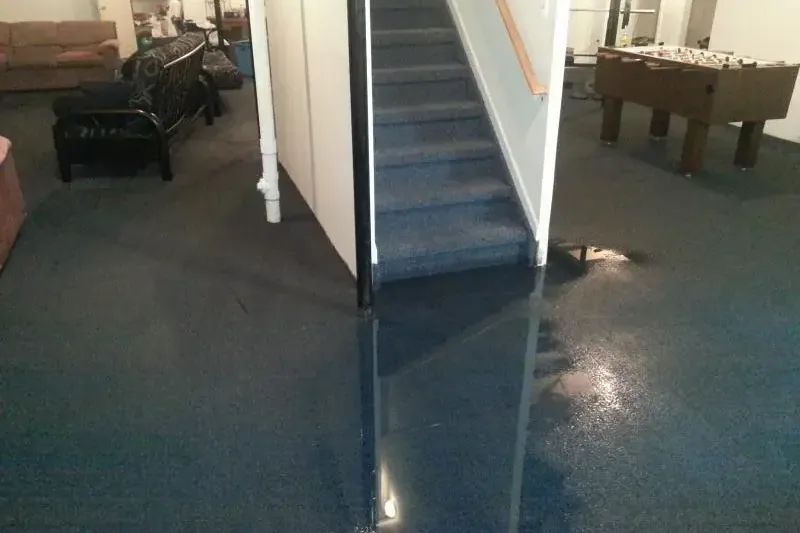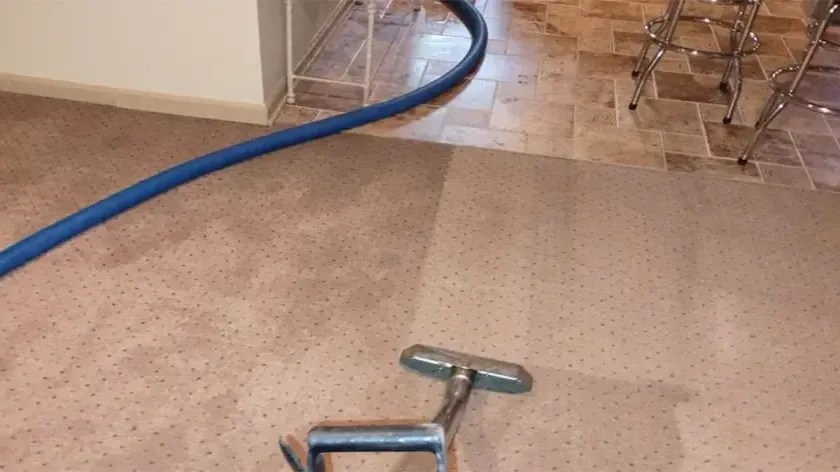
A carpet that squelches underfoot has absorbed water below its surface. In Lake Oswego, extraction should account for that stored moisture as well as the puddle. The first inspection establishes where the release originated and which connected surfaces need attention before a wand or pump begins recovering water.
The source determines the cleanup route
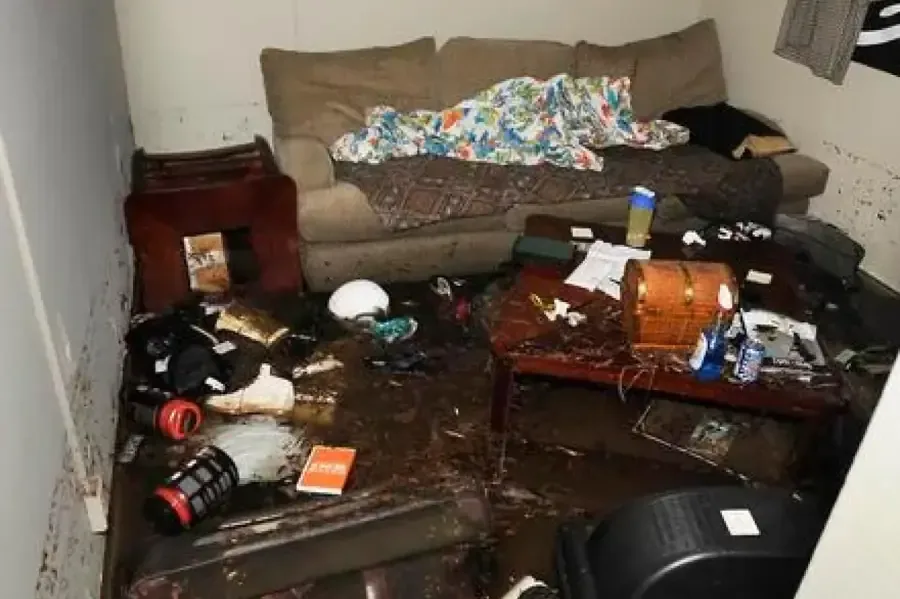
The February 1996 flood carried sediment and mud into homes along the Oswego canal. That history illustrates why outdoor floodwater requires a different material evaluation from a recent indoor supply leak. Water around Oswego Lake or in Foothills should be assessed by its actual entry route and contact with the building. Sediment, contamination and exposure affect what can be cleaned and retained.
Look past the center of the room
Water moves into seams, beneath transitions and against wall plates. An extraction pass across the open floor can miss these boundaries. Carpet backing, pad and adjoining hard flooring deserve separate checks because each assembly stores moisture differently. Moving a dry chair out of the way may expose a wet patch that was hidden underneath.
- Doorway transitions can connect a soaked room with apparently dry flooring nearby.
- Lower trim can conceal damp drywall and water against the wall framing.
- Cabinet bases may restrict access to pooled water beneath the finished floor.
- Absorbent belongings should be evaluated before being returned to the cleaned area.
Finish extraction with a drying plan
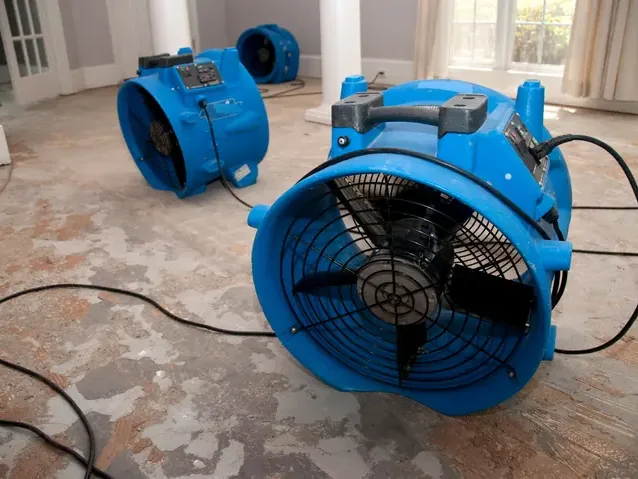
After recoverable water is removed, retained materials still need moisture checks. The structural drying process addresses water held within those layers. Equipment placement should respond to readings rather than a fixed arrangement that treats every room alike.
If outside water deposited dirt through several rooms, flood damage cleanup may define the next stage more accurately than extraction alone. The written scope should identify affected finishes, the reason for any removal and the materials that will remain for monitored drying.