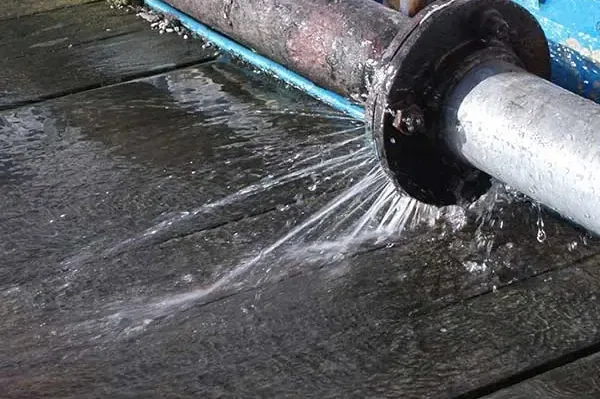
Pressure changes how a broken pipe wets a room. Water can strike insulation, the rear face of wallboard and the inside of a cabinet before collecting where an occupant sees it. Wilsonville burst pipe cleanup needs to investigate that spray path as well as the floor area that became visibly flooded.
Separate water supply from the failed component
The city provides its own water supply and draws drinking water from the Willamette River. A release at a building still requires a property specific plumbing assessment to locate and isolate the failed component. Repair findings should explain where the pipe opened and whether water reached an enclosed assembly before the flow stopped.
Follow pressure and gravity together
In Old Town or Canyon Creek North, the layout of the affected room determines how the inspection proceeds. A horizontal spray can wet materials above the eventual puddle. Gravity can then carry that water into lower rooms. The assessment should connect those observations instead of treating each stain as an unrelated problem.
- Cabinet backs can conceal wet wall surfaces beside a supply connection.
- Insulation may retain sprayed water after the pipe has been repaired.
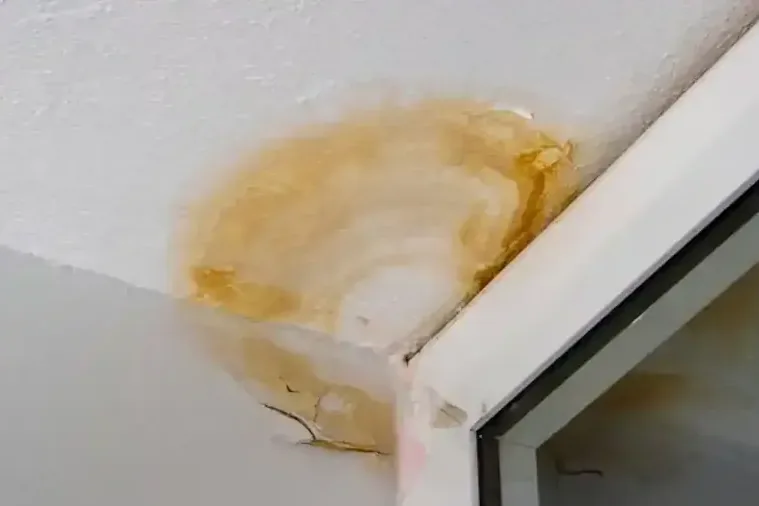
- Ceiling penetrations can let a release reach the level below.
- Floor edges can carry pooled water into an adjacent dry looking room.
Open the wet path with a purpose
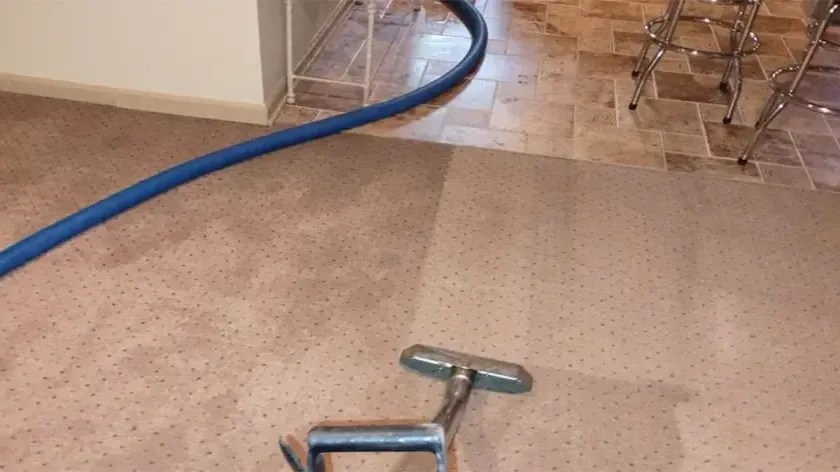
A Town Center property with concealed spread may need selective material access. Ceiling leak cleanup addresses damage below an upper release, while water extraction recovers accessible liquid at floor level. The scope should explain why each opening is needed and which materials can remain.
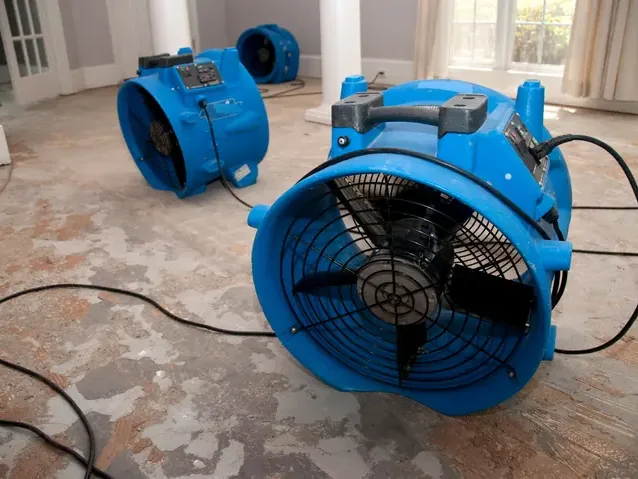
Drying begins after the source is controlled and wet layers are accessible. Readings at the initial spray area and the far edge of the spread show whether recovery is progressing throughout the assembly. The repair handoff should identify any remaining damage that cannot be resolved by drying alone.