West Linn Water Damage RestorationWater extraction and structural drying
Water above the room

Wilsonville Ceiling Leak Water Damage

A ceiling mark can leave an occupant unsure which room or system is responsible. Wilsonville ceiling leak recovery begins with safe separation from unstable surfaces and coordinated access to trace the water above them.

(888) 373-8814Describe the overhead water
  • Ceiling stability check
  • Source access coordination
  • Overhead cavity drying
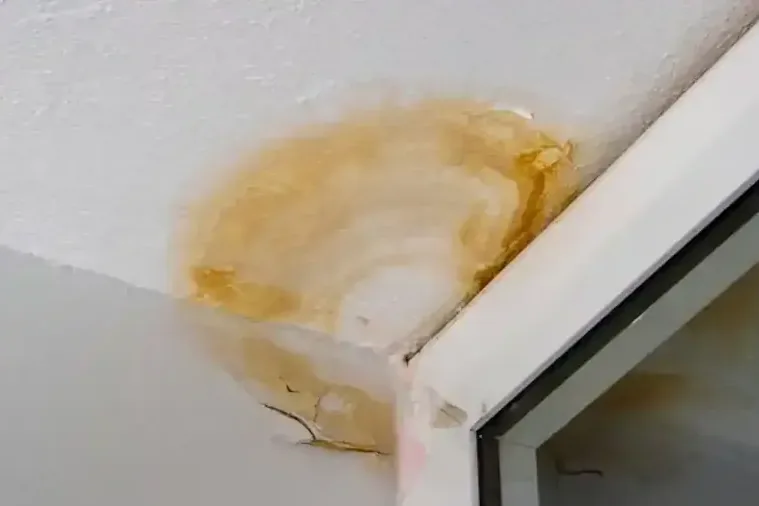
Yellow moisture stain extending across the corner of a ceiling
Room priorityKeep clear of sagging
Access needTrace water from above
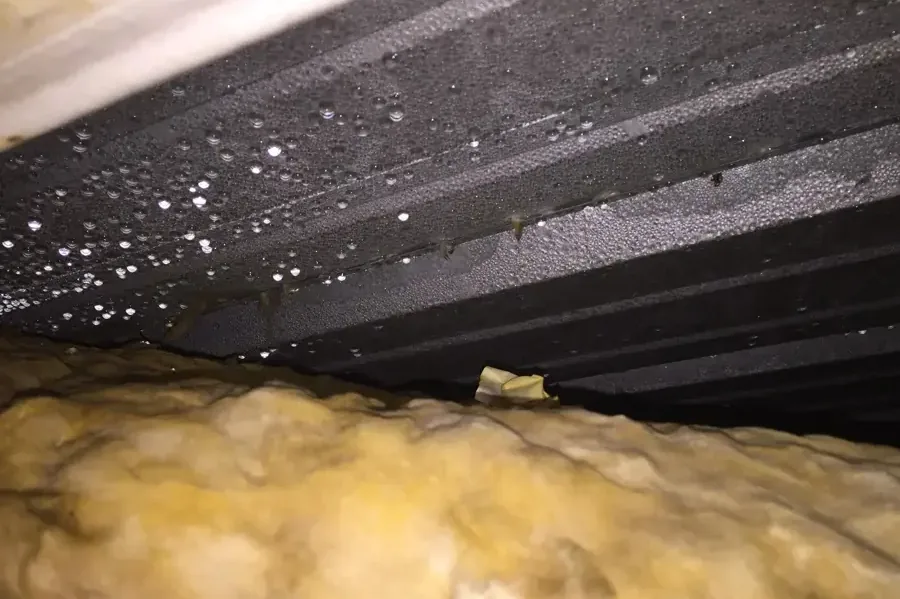
Hidden materialInsulation over the stain
Repair sequenceSource drying then finish
First steps

What to do before ceiling leak water damage

  1. Stay outside the sagging area. Occupants should not stand beneath a bulging ceiling or attempt to puncture it. Falling wet material and concealed electrical components require a controlled assessment of overhead conditions first.
  2. Notify the building contact. A renter or occupant should describe the room, drip location and any visible movement to the designated contact. Access above the ceiling may require separate permission and coordination.
  3. Note source timing. Record whether water appears during rainfall, equipment use or activity in an upper room. That timing can help the source professional investigate the pathway more efficiently.
  4. Protect the room safely. Dry belongings away from the unstable area can be relocated if access is safe. Buckets or covers should never require someone to stand beneath a damaged overhead surface.

Ceiling Leak Water Damage assessment

Assess overhead stability
The inspection establishes where occupants and equipment can safely enter, noting bulges, fixtures and any continued dripping before the ceiling assembly receives closer attention.
Coordinate source access
The building contact arranges entry to relevant upper rooms or service spaces. Source findings help connect the visible stain with the actual release and repair plan.
Open and dry selectively
Damaged layers are assessed for removal so retained framing and nearby finishes can be reached. Equipment placement reflects the exposed moisture pattern and the room's safe layout.
Check closure conditions
Final readings include the cavity and adjoining walls, with remaining source or finish work identified. The ceiling is prepared for rebuilding only after the wet assembly has been reviewed.
How the work proceeds

How ceiling leak water damage is handled

  1. 1

    Assess overhead stability

    The inspection establishes where occupants and equipment can safely enter, noting bulges, fixtures and any continued dripping before the ceiling assembly receives closer attention.

  2. 2

    Coordinate source access

    The building contact arranges entry to relevant upper rooms or service spaces. Source findings help connect the visible stain with the actual release and repair plan.

  3. 3

    Open and dry selectively

    Damaged layers are assessed for removal so retained framing and nearby finishes can be reached. Equipment placement reflects the exposed moisture pattern and the room's safe layout.

  4. 4

    Check closure conditions

    Final readings include the cavity and adjoining walls, with remaining source or finish work identified. The ceiling is prepared for rebuilding only after the wet assembly has been reviewed.

Planning the work

What does ceiling leak water damage cost in Wilsonville, OR?

Ceiling leak recovery in Wilsonville depends on cavity access, insulation condition and spread into adjoining walls. The ranges compare interior cleanup scopes; source repairs and replacement ceiling finishes should be identified separately before work proceeds.

Small ceiling area

$900 to $2,000
  • Localized wet finish
  • Accessible source area
  • Limited opening needs

Ceiling and insulation loss

$2,000 to $3,800
  • Saturated overhead layers
  • Controlled material removal
  • Cavity drying access

Cavity and wall spread

$3,800 to $5,500+
  • Connected vertical pathways
  • Broader moisture inspection
  • Additional drying placement

The scope reflects water category, affected area, material class and the delay before drying. water damage cost calculator.

Ceiling water often appears in a room far from the component that released it. A pipe, appliance or roof opening may wet the assembly above before the mark becomes visible. Wilsonville ceiling cleanup therefore needs both a room safety assessment and a practical way to reach the source side of the ceiling.

Keep occupants and building contacts connected

The 2020 Census recorded renter occupancy at 50.6% of occupied housing units here. A renter noticing overhead water should alert the designated building contact with the room location and visible changes. Owners and managers may need to coordinate access to another space so the source can be traced without leaving the affected room exposed.

Read the ceiling as an assembly

In Town Center, RiverGreen or Old Town, the work depends on the materials above the room. Water can collect in insulation or follow framing before dripping at a seam. The inspection should compare the visible mark with the surrounding moisture pattern and check adjoining wall surfaces that may be carrying water downward.

  • A rounded bulge can indicate water held above weakened wallboard.
  • Paint discoloration may extend less widely than the wet backing.
  • Light fixtures can introduce electrical concerns within the affected area.
  • Upper room access may be needed to identify the original release.

Plan opening before cosmetic repairs

Controlled access should address stability and the location of utilities. If a pipe is responsible, burst pipe recovery connects repair findings with the water path. If rain is entering above, roof leak cleanup addresses the attic and interior route. These source tasks should be coordinated with ceiling removal decisions.

Once unsafe or unsalvageable layers are addressed, the remaining framing and adjacent finishes need measured drying. Insulation needs its own moisture assessment after the source has been repaired. Before repainting or replacement, the record should show how the cavity was assessed and which affected surfaces met the drying objectives.
Service area

Ceiling leak water damage coverage

For ceiling water in Town Center, RiverGreen or Old Town, identify the affected room and the building contact who can arrange access above it. Occupancy and any ceiling movement should be explained before inspection or cleanup begins inside the space.

The same service nearby: ceiling leak water damage in West Linn, Sherwood, Canby.

Water damage restoration in Wilsonville · every town covered
Questions

Ceiling Leak Water Damage questions

01Should a bulging ceiling be punctured to drain it?

Occupants should keep clear rather than opening an unstable surface. Wet material may fall and electrical components can be concealed above. A controlled assessment establishes safe access and the appropriate method for addressing the retained water.

02Who coordinates access when the occupant rents?

The designated property contact should receive the leak location and visible changes. That contact can arrange access to relevant rooms and source equipment. The cleanup scope should also identify who authorizes work and handles affected belongings.

03Can the ceiling stain be below a different room?

Water can follow framing and other surfaces before appearing through the finish. The visible mark may be offset from the source. Inspection above and around it helps connect the water path with the component requiring repair.

04Why check insulation if the ceiling feels dry?

The finish can dry faster than absorbent material above it. Insulation may retain water against framing and limit airflow. Cavity assessment helps determine whether removal or additional drying is needed before the ceiling is closed.

05Does repainting stop the mark from returning?

A coating does not repair the source or dry the assembly. The cause needs correction and the affected layers need assessment first. Finish repair follows those tasks so continuing moisture is not concealed behind new paint.

06What information helps the first assessment?

The room location, timing of drips, source activity and any ceiling movement are useful details. Mention wet fixtures or inaccessible upper spaces. Photos from a safe doorway can show changes without exposing occupants to overhead hazards.

24/7 water restoration

Make the overhead recovery plan clear

Arrange an assessment of stability, wet insulation and adjoining surfaces before the damaged ceiling is repaired or repainted.

(888) 373-8814Wet rooms? Call