West Linn Water Damage RestorationWater extraction and structural drying
Moisture beneath the finish

Wilsonville Slab Leak Water Damage

A floor can stay damp even when there is no obvious spill. Wilsonville slab leak recovery connects plumbing findings with moisture checks through the finish layers so the damaged assembly receives the right access.

(888) 373-8814Assess the damp floor
  • Pipe repair coordination
  • Floor layer assessment
  • Substrate moisture checks
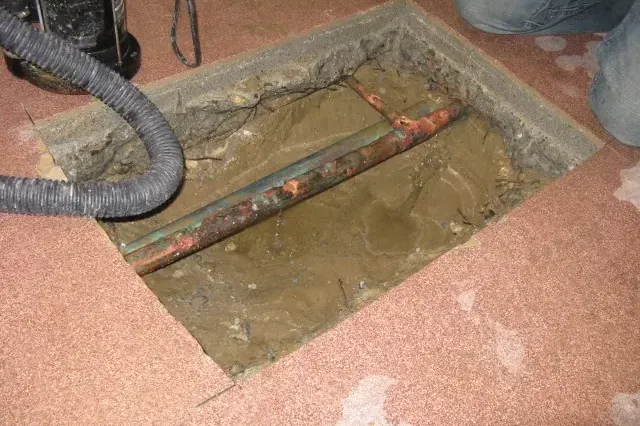
Exposed copper pipe in a concrete-floor trench beside a vacuum hose
Source taskLocate the leaking pipe
Recovery taskAssess affected floor layers
Hidden concernMoisture beneath finishes
Repair readinessCheck the substrate
First steps

What to do before slab leak water damage

  1. Record the floor changes. Describe recurring dampness, lifted edges and nearby wall staining. Photographs help preserve the pattern before plumbing access or removal work changes the condition of the finish.
  2. Arrange source assessment. The owner should coordinate plumbing diagnosis and provide the findings to the cleanup contact. A known repair location helps avoid opening unrelated dry floor areas.
  3. Limit loading on damage. Loose or softened flooring may create a trip hazard. Keep heavy furniture and foot traffic away from the affected patch until its stability has been assessed.
  4. Identify adjoining fixtures. Mention cabinet bases, partitions and built in storage beside the damp floor. Their enclosed edges can restrict access and change the scope of material drying work.

Slab Leak Water Damage assessment

Compare source and moisture
The assessment examines available plumbing findings and maps the wet floor boundary, including nearby wall bases and cabinetry that may have absorbed escaped water.
Open affected finish layers
Removal is directed at damaged or inaccessible wet materials. The approach preserves usable access for the plumbing repair and allows the remaining assembly to be assessed.
Dry exposed substrates
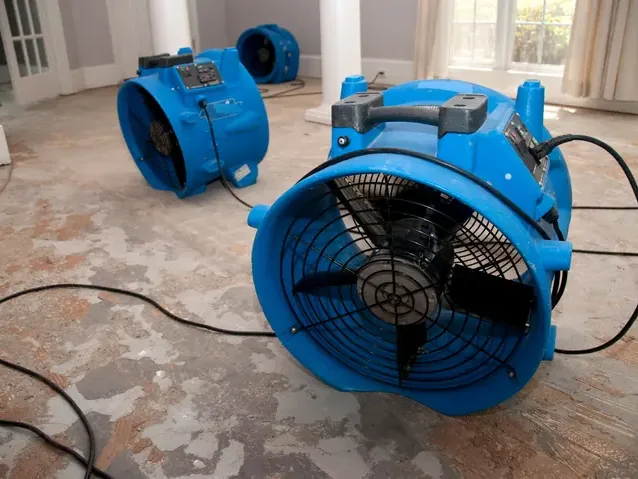
Equipment addresses the retained moisture in materials left in place. Repeat measurements show whether perimeter edges and enclosed sections are progressing with the open floor.
Prepare the repair handoff
The owner receives a record of moisture conditions and material decisions. Flooring replacement can then be coordinated with source correction and the requirements of the finish system.
How the work proceeds

How slab leak water damage is handled

  1. 1

    Compare source and moisture

    The assessment examines available plumbing findings and maps the wet floor boundary, including nearby wall bases and cabinetry that may have absorbed escaped water.

  2. 2

    Open affected finish layers

    Removal is directed at damaged or inaccessible wet materials. The approach preserves usable access for the plumbing repair and allows the remaining assembly to be assessed.

  3. 3

    Dry exposed substrates

    Equipment addresses the retained moisture in materials left in place. Repeat measurements show whether perimeter edges and enclosed sections are progressing with the open floor.

  4. 4

    Prepare the repair handoff

    The owner receives a record of moisture conditions and material decisions. Flooring replacement can then be coordinated with source correction and the requirements of the finish system.

Planning the work

What does slab leak water damage cost in Wilsonville, OR?

Slab leak cleanup in Wilsonville is shaped by flooring layers and concealed spread, with plumbing repair considered separately. These ranges compare material recovery scopes; access needs, finish removal and substrate drying determine the actual cleanup estimate.

Limited finish damage

$1,200 to $2,500
  • Small finish opening
  • Accessible damp edge
  • Focused substrate checks

Trapped floor moisture

$2,500 to $4,500
  • Layered flooring access
  • Broader moisture mapping
  • Additional drying placement

Multiple affected layers

$4,500 to $6,000+
  • Wet adjoining assemblies
  • More finish removal
  • Complex repair coordination

The scope reflects water category, affected area, material class and the delay before drying. water damage cost calculator.

A damp patch that returns after wiping deserves a closer look at the floor assembly. If plumbing assessment identifies a leak beneath a slab, cleanup must account for water that reached the finish and nearby walls. In Wilsonville, the restoration scope should connect the source findings with measurements across the affected interior.

Let the pipe findings define the opening

Leak location belongs with the plumbing assessment. Unplanned demolition can damage dry materials without exposing the correct source. Once the repair approach is known, the cleanup work can address water around the access area and trace the absorbed moisture beyond it. Photographs taken before opening help distinguish preexisting finish damage from repair access.

Examine the layers above concrete

Old Town is the city's oldest neighborhood, while Villebois is a planned community on its western edge. At either location, the actual floor construction sets the drying approach. A covering adhered to concrete behaves differently from a layered floor with an absorbent underlayment. Moisture can also travel to cabinetry or wallboard at the perimeter.

  • Loose flooring can expose moisture held against the substrate.
  • Swollen trim may indicate spread beyond the visible floor patch.
  • Cabinet bases need assessment where water reached an enclosed edge.
  • Adhesive condition can affect whether a finish remains recoverable.

Coordinate the repaired pipe and the wet assembly

A property in RiverGreen needs a clear transition between plumbing work and material recovery. Water extraction may be needed around an open repair area, while structural drying addresses retained moisture in the surrounding layers. The two tasks should share an access plan so damp finishes are not enclosed prematurely.

Before replacement flooring is installed, the substrate should be evaluated for the intended finish system. Surface dryness can arrive before deeper moisture has settled. The final record should identify what was removed, where readings were taken and whether any wall or cabinet edges still require attention.
Service area

Slab leak water damage coverage

Old Town, Villebois and RiverGreen provide location references for floor damage assessments. Owners should describe the actual floor covering, any damp wall edges and the plumbing findings available, so access planning follows the affected building rather than neighborhood assumptions.

The same service nearby: slab leak water damage in West Linn, Sherwood, Canby.

Water damage restoration in Wilsonville · every town covered
Questions

Slab Leak Water Damage questions

01Does a damp floor always mean a slab leak?

Several sources can wet flooring, including appliance releases and outside entry. Plumbing diagnosis is needed to identify an under slab pipe problem. Cleanup measurements establish the affected materials after the actual source is investigated.

02Can the floor dry after the pipe is repaired?

Some assemblies can dry with suitable access and equipment, while damaged coverings may need removal. Repair stops the supply of water. The remaining moisture still needs assessment before the floor is closed or replaced.

03Why check cabinets beside the damp patch?

Water can collect against enclosed cabinet bases and move into absorbent panels. These edges may dry slowly compared with an open floor. Inspection helps determine whether access is necessary to reach retained moisture underneath.

04Does the entire floor need to be removed?

Removal depends on wet boundaries, material condition and the ability to dry concealed layers. A targeted assessment can distinguish affected sections from dry ones. Replacement planning also considers whether the existing finish can be repaired practically.

05Is plumbing repair included in the cleanup range?

The cleanup ranges describe recovery of affected building materials. Leak location and pipe repair should be identified separately in the written scope. Clear coordination keeps the source work and drying work aligned without confusing their costs.

06When is the substrate ready for new flooring?

Readiness depends on moisture conditions and the requirements of the replacement floor system. The assessment should address the substrate itself, not only room humidity. A surface that feels dry may still need further evaluation before installation.

24/7 water restoration

Resolve the moisture beneath the finish

Arrange an assessment of retained water, damaged layers and the measurements needed before replacement flooring closes the repaired area.

(888) 373-8814Wet rooms? Call