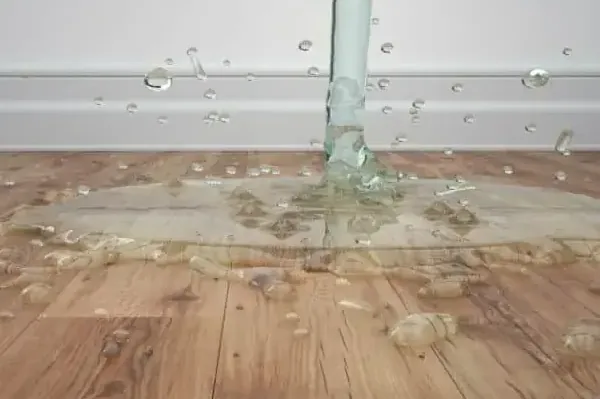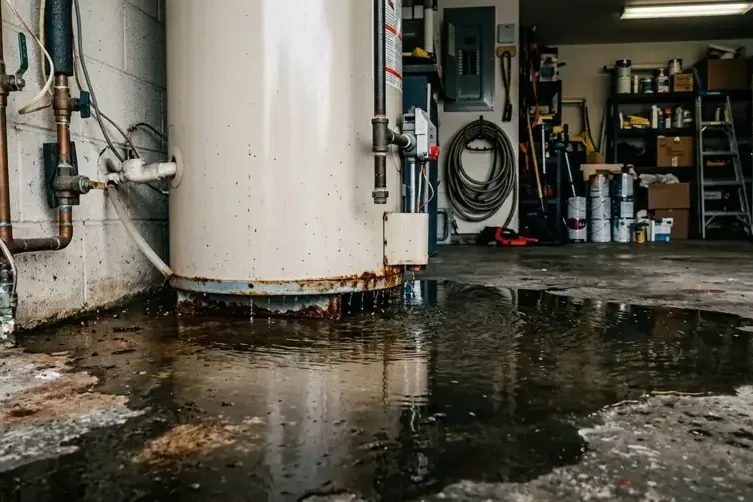
A leaking heater often shares its space with stored belongings and utility connections. That can make the water path difficult to see. In Wilsonville, cleanup should reach beyond the tank base to check where the release traveled under boxes, through a doorway or against the bottom of a nearby wall.
Make equipment safety the first boundary
Hot water and equipment connections change the initial access decision. A plumber or appropriate equipment professional should assess the heater and its supply. Occupants can describe the visible leak from a dry location without touching wet controls. The cleanup scope then addresses water already outside the equipment and absorbed into the building.
Uncover the edge of the release
Charbonneau lies south of the Willamette River, while Wilsonville Meadows and RiverGreen are other local neighborhoods. At the individual home, storage layout and room connections matter to the recovery work. A tank in an open area may leave visible water, while nearby belongings can conceal the same release against a finished partition.
- Cardboard on the floor can absorb water and hide the wet boundary.
- Wallboard at the base of a partition can wick moisture upward.
- A threshold can direct escaped water into an adjoining finished room.
- Flooring beneath shelving may stay wet after the open area dries.
Keep replacement and drying coordinated
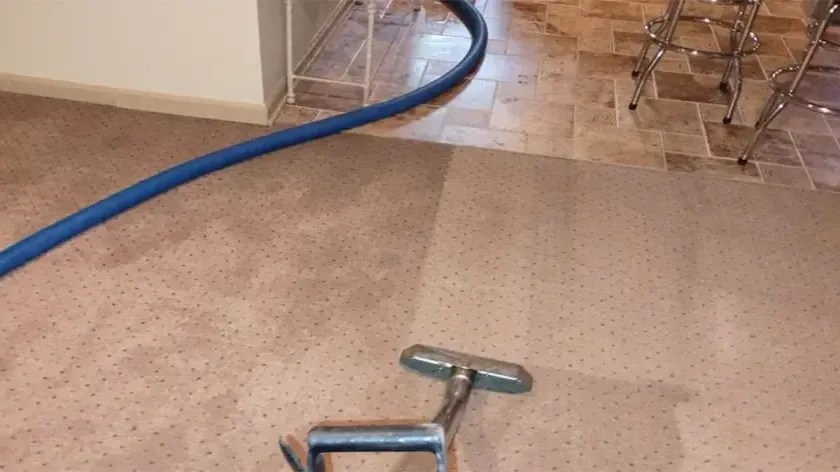
Replacing a failed heater does not recover water from nearby materials. Water extraction can make the utility area accessible, while material checks identify wet finishes beyond it. The equipment installation schedule should allow appropriate access to surfaces that need cleaning or drying beside the tank.
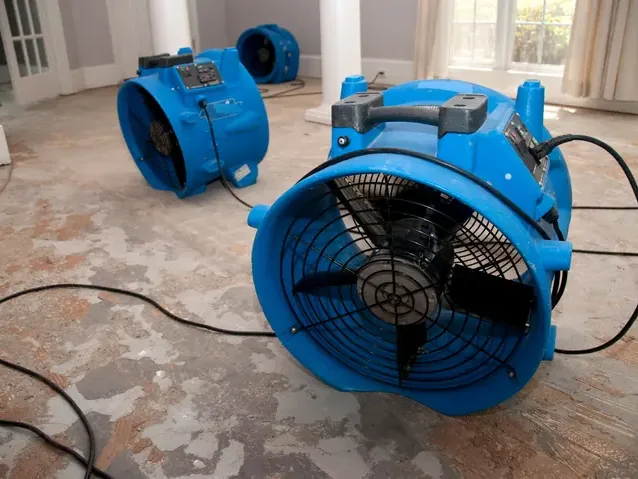
For a release that reached wall cavities or layered flooring, structural drying addresses what remains after liquid removal. Progress should be measured at those affected edges. A completed equipment repair and a dry looking utility floor are useful milestones, but the adjoining assembly still needs its own inspection before repairs close it.