West Linn Water Damage RestorationWater extraction and structural drying
Tank releases and wet surroundings

Water Heater Leak Cleanup in Canby

A tank release can reach stored belongings and adjacent walls before the utility area is inspected. Canby recovery starts with safe source control, then follows escaped water beyond the space occupied by the heater.

(888) 373-8814Assess water around the heater
  • Protect equipment access
  • Inspect adjacent storage
  • Follow floor level spread
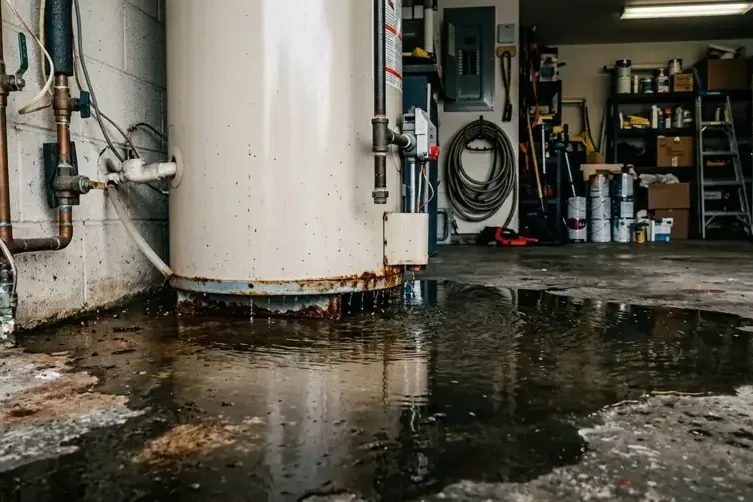
Standing water around a tank water heater on a utility-room floor
Starting concernSafe heater area access
Water pathFloor edges and wall bases
Source repairCoordinate tank replacement
Before closureInspect retained finishes
First steps

What to do before water heater leak cleanup

  1. Avoid wet heater controls. A leaking heater involves water, energy and potentially hot surfaces. Occupants should keep clear of wet controls and arrange appropriate source isolation before approaching the tank or its connections.
  2. Describe the spread beyond the tank. Note adjoining rooms and belongings that became wet, including any floor below the equipment location. The visible puddle beside the heater may represent only part of the release.
  3. Make the replacement route usable. Loose dry possessions can be moved from a safe access path. Wet boxes or damaged finishes should be assessed before removal so their condition remains documented and contamination is contained.
  4. Coordinate the responsible trades. Identify the person arranging heater repair or replacement and the person approving building work. Shared timing helps preserve access to damp walls or flooring before new equipment occupies the space.

Water Heater Leak Cleanup assessment

Identify the release boundary
The wet area extends beyond the tank base and is recorded before movement. Adjoining partitions and transitions receive attention where water could continue.
Recover water and assess contents
Accessible liquid is removed while damp stored items are evaluated. The work route keeps removed materials from blocking the heater service area or clean household spaces.
Expose necessary drying access
Affected trim, enclosed edges and unsuitable finishes are assessed for opening. Equipment placement then addresses retained materials with room for the replacement work to proceed safely.
Handoff the usable utility area
Moisture results and remaining finish repairs are documented. The owner can distinguish completed heater correction from the restoration tasks still required before storage returns to the room.
How the work proceeds

How water heater leak cleanup is handled

  1. 1

    Identify the release boundary

    The wet area extends beyond the tank base and is recorded before movement. Adjoining partitions and transitions receive attention where water could continue.

  2. 2

    Recover water and assess contents

    Accessible liquid is removed while damp stored items are evaluated. The work route keeps removed materials from blocking the heater service area or clean household spaces.

  3. 3

    Expose necessary drying access

    Affected trim, enclosed edges and unsuitable finishes are assessed for opening. Equipment placement then addresses retained materials with room for the replacement work to proceed safely.

  4. 4

    Handoff the usable utility area

    Moisture results and remaining finish repairs are documented. The owner can distinguish completed heater correction from the restoration tasks still required before storage returns to the room.

Planning the work

What does water heater leak cleanup cost in Canby, OR?

Water heater cleanup in Canby is priced around the release footprint and wet materials. Concealed spread, affected storage and adjoining finished rooms can increase the work beyond recovering water beside the tank.

Small accessible release

$800 to $1,800
  • Open utility floor
  • Limited stored contents
  • Simple water recovery

Floor and wall saturation

$1,800 to $3,500
  • Wet adjoining trim
  • Selected finish removal
  • Material moisture tracking

Concealed or lower-level spread

$3,500 to $5,000+
  • Hidden floor layers
  • Additional room access
  • Coordinated equipment placement

The scope reflects water category, affected area, material class and the delay before drying. water damage cost calculator.

The tank is the obvious focus after a water heater leak, but surrounding materials often decide the restoration scope. Water can spread beneath stored cartons, against a partition or under the threshold into a finished room. The assessment should identify where the release travelled before a replacement tank blocks access to damp surfaces. Equipment work and building recovery need a shared sequence.

Plan the replacement alongside the wet area

Oregon requires a plumbing permit to replace a water heater in a detached one or two family dwelling. That requirement concerns the equipment replacement. The cleanup scope addresses water absorbed by flooring, wall bases and other materials surrounding the heater. Coordinating both tasks helps preserve access to the affected area while the source correction is arranged.

A plumber can assess the heater and its connections. Restoration inspection then maps the wet area, including flooring and wall edges beyond the tank footprint. Photos taken before movement show where belongings rested against damp walls and which floor edges were concealed.

Inspect the path beneath stored items

Water caught under a box or storage cabinet can remain after the open floor clears. Each item should be assessed before it is moved into a dry room. Absorbent packaging may need separate handling, while retained belongings need a clean resting place that does not obstruct equipment or the technician's route.

  • Check the adjoining threshold for water beneath the next floor covering.
  • Look at wall bases behind the original position of stored belongings.
  • Keep heater replacement access clear of hoses and removed finish materials.
  • Record damaged items before discarding packaging that shows their exposure.

Dry the room around the new equipment

Locust Street Park includes a basketball court and playground, and Logging Road Trail has a walking path. These references, along with Oregon Route 99E, help identify the property during scheduling. Inside, water extraction recovers accessible liquid and structural drying addresses materials that retain moisture.

The replacement can resolve the source while the building still needs recovery. A final material check should explain which surfaces are ready for repair and which areas require continued access before storage returns around the heater.
Service area

Water heater leak cleanup coverage

For a property near Locust Street Park, Logging Road Trail or Oregon Route 99E, describe how the heater area is reached. Narrow access, stored boxes and adjoining finished rooms can affect inspection and the route used for removal.

The same service nearby: water heater leak cleanup in West Linn, Wilsonville, Sherwood.

Water damage restoration in Canby · every town covered
Questions

Water Heater Leak Cleanup questions

01Does replacing the heater complete the cleanup?

A new heater corrects the equipment problem, but surrounding walls, flooring and belongings can remain wet. The restoration assessment follows those materials beyond the tank footprint before deciding what further drying is needed.

02Is a replacement permit required for every property?

Oregon's stated residential requirement applies to replacing a heater in a detached one or two family dwelling. The person arranging replacement should address the applicable permit requirements for the actual building and work.

03Can stored cartons be moved into another room?

Their condition should be checked first. A wet carton can carry moisture to a dry floor and obscure damage to its contents. Photographs and an item record help organize handling or disposal.

04Why inspect the wall behind the tank?

Water can rest against the wall base where the tank limits visibility. Once safe access is available, checking that area helps identify damp finish layers before replacement equipment makes inspection difficult again.

05Does a small utility area mean a small loss?

The original room size does not define the water path. A release can pass under a threshold or into a lower space, so connected rooms and floor transitions deserve inspection when symptoms suggest spread.

06When can storage go back around the heater?

Return storage after the affected surfaces are assessed as ready and necessary equipment access is preserved. Keeping the restoration record helps clarify which finishes dried and whether any remaining repair work needs the space.

24/7 water restoration

Recover the space surrounding the tank

An assessment of hidden edges helps keep equipment replacement from covering damp finishes before extraction and drying have addressed the damage.

(888) 373-8814Wet rooms? Call