West Linn Water Damage RestorationWater extraction and structural drying
Leaks behind household equipment

Appliance Leak Water Damage in Canby

The front of an appliance may look dry while water sits behind its base. Canby cleanup checks the machine surroundings, adjoining cabinets and floor layers after safe isolation of the leaking connection or component.

(888) 373-8814Check beneath the appliance footprint
  • Inspect hidden floor edges
  • Coordinate machine access
  • Protect adjacent cabinetry
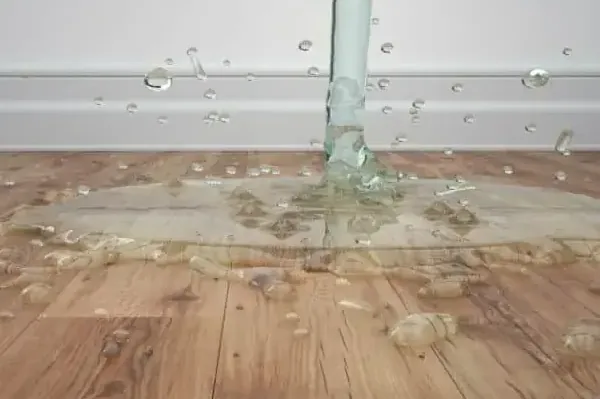
Water splashing onto a wood-pattern floor beneath a supply pipe
Hidden starting pointBehind the machine base
Spread routeCabinets seams and thresholds
Access needSafe equipment movement
Repair decisionEvaluate finish condition
First steps

What to do before appliance leak water damage

  1. Use safe equipment isolation. Avoid touching a wet appliance or plug while standing on a damp floor. Appropriate disconnection precedes inspection behind the machine, with electrical concerns evaluated before entry.
  2. Record the hidden edge symptoms. Photograph lifted seams, damp cabinet bases and the first visible puddle. These details help identify how water travelled from the equipment opening into the surrounding finishes and adjoining room.
  3. Notify the property decision maker. Renters should contact the manager before moving fixed equipment or removing building materials. Owners should coordinate appliance service with restoration access so both tasks use the same clear repair sequence.
  4. Clear nearby loose belongings. Dry items in adjoining storage can be moved safely out of the work route. Wet contents need assessment and documentation before they are carried into an unaffected room or discarded.

Appliance Leak Water Damage assessment

Establish safe equipment access
Check connections before moving the machine. Photographs preserve its footprint and signs of water beneath adjoining cabinetry or floor coverings.
Inspect concealed finish edges
Once access is available, the assessment checks cabinet bases, thresholds and underlying layers. Damaged materials are distinguished from retained surfaces that can receive a suitable drying treatment.
Recover and dry the footprint
Liquid is removed and equipment targets the affected assembly. Moisture checks help determine whether hidden areas are responding or need additional opening to reach trapped water effectively.
Coordinate the equipment return
Reinstallation follows source correction and the material readiness assessment. The final record identifies finish repairs or remaining access needs before the appliance again covers its original floor position.
How the work proceeds

How appliance leak water damage is handled

  1. 1

    Establish safe equipment access

    Check connections before moving the machine. Photographs preserve its footprint and signs of water beneath adjoining cabinetry or floor coverings.

  2. 2

    Inspect concealed finish edges

    Once access is available, the assessment checks cabinet bases, thresholds and underlying layers. Damaged materials are distinguished from retained surfaces that can receive a suitable drying treatment.

  3. 3

    Recover and dry the footprint

    Liquid is removed and equipment targets the affected assembly. Moisture checks help determine whether hidden areas are responding or need additional opening to reach trapped water effectively.

  4. 4

    Coordinate the equipment return

    Reinstallation follows source correction and the material readiness assessment. The final record identifies finish repairs or remaining access needs before the appliance again covers its original floor position.

Planning the work

What does appliance leak water damage cost in Canby, OR?

Appliance leak cleanup in Canby depends on moisture beneath equipment, cabinet access and flooring condition. A small visible spill can involve additional work when water remains trapped behind fixed finishes.

Accessible small spill

$700 to $1,500
  • Open floor surface
  • Limited equipment surroundings
  • Simple extraction access

Water beneath cabinetry

$1,500 to $3,000
  • Enclosed cabinet edges
  • Selective trim access
  • Concealed material checks

Floor and room spread

$3,000 to $4,500+
  • Connected floor layers
  • Additional room inspection
  • Broader drying arrangement

The scope reflects water category, affected area, material class and the delay before drying. water damage cost calculator.

An appliance leak often becomes visible at the edge of the room rather than directly beneath the machine. Water can move along a cabinet base, beneath a floor covering or through the opening around a supply connection. The cleanup scope should include those hidden edges. Wiping the exposed floor helps appearance, but inspection beneath the equipment determines what the building still needs.

Agree on access before moving the machine

At the census, 66.8% of occupied homes in Canby were owner occupied and 33.2% were rented. For a tenant, the manager's involvement helps coordinate appliance service and permission to open permanent finishes. An owner can likewise keep equipment repair and building restoration organized as separate tasks, with the same access plan supporting both.

A heavy machine should not be dragged across a swollen floor or moved while unsafe connections remain attached. Appropriate disconnection and protection of the route help preserve surrounding finishes. Photographs of the original position and visible water can support the later explanation of damage discovered behind it.

Pay attention to cabinetry and floor transitions

Water beneath a cabinet can remain difficult to reach even after the appliance leaves the opening. Toe spaces, floor seams and the adjoining wall base deserve checks. Material condition determines whether access panels, trim or affected finishes need removal before structural drying can address the retained assembly.

  • Record swollen cabinet edges before they are disturbed for inspection.
  • Check the threshold into the next room for concealed floor moisture.
  • Keep dry stored food and household items outside the work route.
  • Inspect below the appliance room when symptoms suggest downward water movement.

Return the machine to a ready space

Wait Park, Legacy Park and Locust Street Park are familiar references for arranging a visit. At the property, the important details are the machine type, access opening and materials under its footprint. Water extraction can remove recoverable liquid before detailed drying decisions are made.

The appliance repair may finish before the floor is ready. Reinstallation should be coordinated with the material assessment so a corrected machine does not conceal wet layers or block necessary access during the final drying stage.
Service area

Appliance leak water damage coverage

Describe the affected appliance and room when arranging access near Wait Park, Legacy Park or Locust Street Park. The inspection may need the machine moved safely and adjacent storage cleared to reveal wet floor seams or cabinet bases.

The same service nearby: appliance leak water damage in West Linn, Wilsonville, Sherwood.

Water damage restoration in Canby · every town covered
Questions

Appliance Leak Water Damage questions

01Can a repaired appliance go straight back?

Its surrounding floor and cabinet materials need assessment first. The machine can block access to damp layers, so reinstallation should be coordinated with the drying work and any required finish repairs beneath it.

02Why inspect a cabinet beside the machine?

Water can travel beneath the cabinet base or absorb into its lower edges. Those areas may remain wet after the open floor clears, making nearby cabinetry part of the damage assessment and drying scope.

03Should a tenant disconnect the appliance?

A tenant should contact the manager and avoid unsafe handling of wet equipment. Appropriate service access and authorization help coordinate source correction with decisions about flooring, cabinetry and other permanent building materials.

04Does a clean supply leak need material removal?

Removal depends on the condition and accessibility of the affected layers. Even an initially clear release can leave swollen finishes or trapped moisture that requires selective opening before the retained structure can dry.

05What if water appears in the room below?

The inspection should include that connected space. Water may pass through floor openings or concealed joints, leaving ceiling materials below affected even when the appliance room has only a small visible puddle.

06Which photos are most helpful before cleanup?

Capture the machine position, water edge, cabinet bases and any lifted floor seams from a safe location. These images help explain the original spread after equipment movement reveals additional damage beneath the footprint.

24/7 water restoration

Make the equipment space ready for use

Coordinating source repair with floor and cabinet drying helps avoid reinstalling a machine over materials that still need attention after the spill.

(888) 373-8814Wet rooms? Call