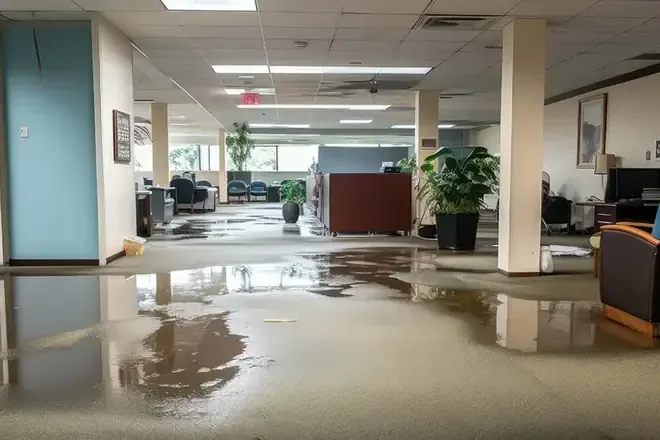
West Linn Water Damage RestorationWater extraction and structural drying
Contaminated indoor water recovery

Sewage Backup Cleanup in Canby, OR

Wastewater emerging from a fixture changes how the room should be approached. Canby sewage cleanup separates occupants from affected surfaces while drainage correction and contaminated material removal are organized as distinct tasks.

(888) 373-8814Discuss the contaminated room
  • Restrict room access
  • Address drain obstruction
  • Evaluate porous finishes
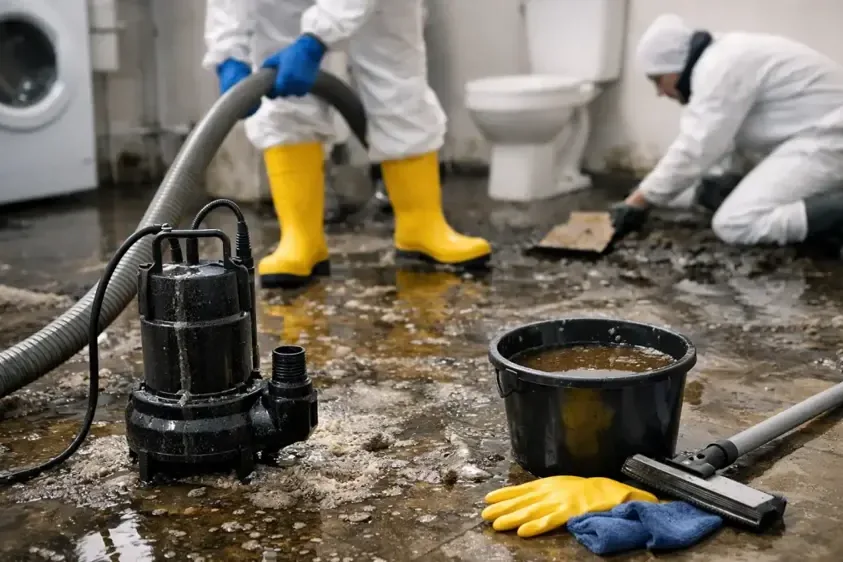
Protective-clothed workers cleaning contaminated water around bathroom fixtures
Access ruleSeparate contaminated rooms
Source taskAssess drain or sewer trouble
Material decisionAssess porous contact surfaces
Recovery orderRemove clean then dry
First steps

What to do before sewage backup cleanup

  1. Pause fixture use. Continued drainage can add wastewater while an obstruction remains. Keep affected fixtures unused until the drainage problem is assessed and correction is arranged.
  2. Separate the room. Children and pets should stay away from the backup. Avoid carrying contaminated belongings through clean rooms before a controlled removal route is established.
  3. Describe the obstruction symptoms. Report the fixtures involved and any continuing overflow. Public Works handles sewer lateral and main concerns; interior damage requires its own cleanup assessment.
  4. Photograph from clean ground. A safe photograph can preserve the water boundary and damaged contents. Leave contaminated items undisturbed until appropriate handling and removal have been planned.

Sewage Backup Cleanup assessment

Define the contaminated boundary
Inspection records contacted surfaces and a controlled route. Drain correction proceeds while occupants remain separate from rooms needing wastewater removal and material assessment.
Remove wastewater and unsuitable items
Liquid and affected debris are handled through the planned route. Porous materials are evaluated for removal, with documentation preserving their condition before the room is cleared for cleaning.
Clean retained surfaces carefully
Accessible hard surfaces and exposed edges receive appropriate cleaning. The assessment includes joints and adjacent materials that may have been covered by damaged finishes during the initial backup.
Dry and document the recovery
Retained materials are dried after contamination receives attention. The handoff identifies completed work, missing finishes and drainage correction needed before normal use of the room resumes.
How the work proceeds

How sewage backup cleanup is handled

  1. 1

    Define the contaminated boundary

    Inspection records contacted surfaces and a controlled route. Drain correction proceeds while occupants remain separate from rooms needing wastewater removal and material assessment.

  2. 2

    Remove wastewater and unsuitable items

    Liquid and affected debris are handled through the planned route. Porous materials are evaluated for removal, with documentation preserving their condition before the room is cleared for cleaning.

  3. 3

    Clean retained surfaces carefully

    Accessible hard surfaces and exposed edges receive appropriate cleaning. The assessment includes joints and adjacent materials that may have been covered by damaged finishes during the initial backup.

  4. 4

    Dry and document the recovery

    Retained materials are dried after contamination receives attention. The handoff identifies completed work, missing finishes and drainage correction needed before normal use of the room resumes.

Planning the work

What does sewage backup cleanup cost in Canby, OR?

Sewage cleanup in Canby depends on contaminated surfaces, absorbent materials and access for controlled removal. A fixture sized release can expand when wastewater reaches floor layers, nearby contents or concealed wall edges.

Contained fixture area

$1,500 to $3,000
  • Limited contaminated footprint
  • Accessible hard surfaces
  • Focused debris handling

Several contaminated materials

$3,000 to $5,500
  • Affected porous finishes
  • Selected material removal
  • Broader surface cleaning

Extensive affected space

$5,500 to $8,000+
  • Multiple contacted rooms
  • Complex removal route
  • Expanded recovery planning

The scope reflects water category, affected area, material class and the delay before drying. water damage cost calculator.

A sewage backup affects both the room and the route used to leave it. Footwear, wet belongings and cleanup tools can carry contamination beyond the original puddle. The first practical step is separating the affected space from normal household activity. Professional cleanup then considers the wastewater source, the materials it contacted and the access needed to remove debris without spreading it through clean areas.

Direct the drainage problem to the right contact

Canby reports that sewer problems often involve an obstruction in the sewer lateral. Public Works is the city contact for sewer lateral and sewer main problems, and the city can clean the sewer main to help resolve a sewer issue. A drainage assessment and the interior cleanup should be coordinated so a restored room is not exposed to another backup from an unresolved obstruction.

The sewer system conveys wastewater from homes and businesses to the treatment plant. Inside an affected property, the cleanup scope follows the surfaces touched by the backup. A cleared drain does not remove wastewater absorbed into flooring, trim or stored contents around the fixture.

Assess absorbent items before moving them

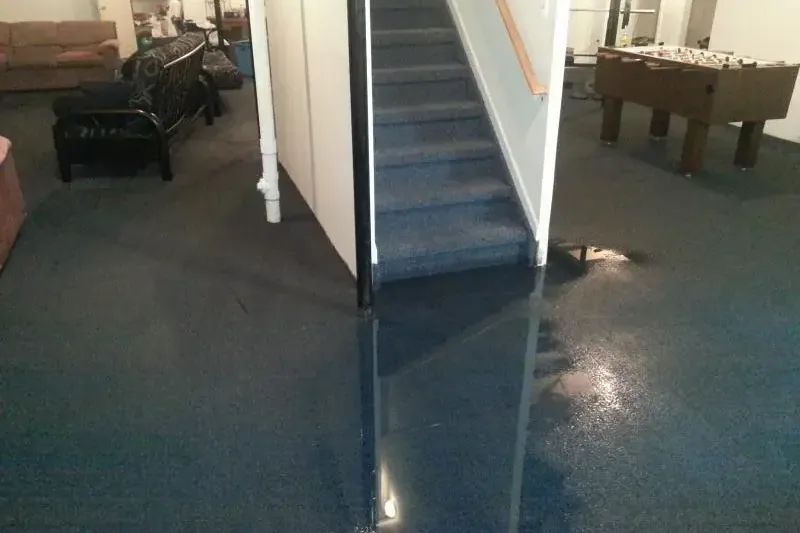
Carpet padding, wallboard edges and soft furnishings can hold contamination within their layers. Their condition and exposure determine removal needs. Retained hard surfaces require cleaning suited to the contact, including joints and hidden edges exposed during material removal. Basement water removal may be part of the plan when wastewater collects in a lower room.

  • Keep children and pets outside the affected room and removal route.
  • Document damaged belongings from a safe position before they leave the property.
  • Separate retained clean items from bags or containers holding wet debris.
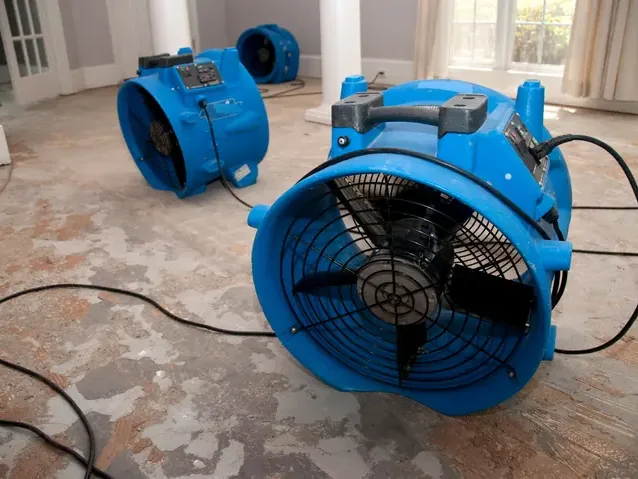
  • Begin drying after contaminated materials and affected surfaces receive appropriate attention.

Restore safe access through the affected room

Ivy Street divides the city into quadrants with the railway, and Wait Park and Locust Street Park provide local access references. The property assessment should identify the contaminated boundary more precisely than the location description. Structural drying follows cleaning for materials selected to remain.

The final scope should distinguish drainage correction, removed finishes and the cleaning and drying completed indoors before repairs restore the room.
Service area

Sewage backup cleanup coverage

For a backup near Ivy Street, Wait Park or Locust Street Park, identify the fixture and rooms affected. Access planning should keep occupants away from wastewater and provide a removal route that does not cross clean household spaces.

The same service nearby: sewage backup cleanup in West Linn, Wilsonville, Sherwood.

Water damage restoration in Canby · every town covered
Questions

Sewage Backup Cleanup questions

01Does clearing the drain make the room usable?

Drain correction addresses the source problem. Wastewater already inside the building still requires removal, cleaning and assessment of affected materials before occupants resume normal use of the room and its adjoining surfaces.

02Who handles sewer lateral or main concerns?

Canby Public Works is the city contact for those problems. A description of the affected fixtures and continuing backup helps communicate the issue while interior restoration addresses the wastewater that reached building materials.

03Can contaminated carpet simply be dried?

The exposure and material condition require evaluation before drying. Absorbent layers can retain contamination, so the restoration scope may include removing affected carpet or padding rather than treating moisture as the only concern.

04Should household fans run in the room?

Airflow should wait for an appropriate cleanup assessment. Fans can move contamination beyond the affected area when wastewater and debris remain, so separation and removal take priority before the retained structure receives drying attention.

05What should happen to nearby belongings?

Items should be assessed for contact and condition before being carried into clean rooms. Photographs and an item list help preserve the loss record while contaminated belongings receive suitable handling or disposal.

06Can a basement backup affect wall materials?

Wastewater against wall bases can reach porous finish edges or hidden cavities. Inspection follows the contact boundary and evaluates those layers before cleaning and drying decisions are made for the retained basement assembly.

24/7 water restoration

Plan recovery around contaminated materials

A defined work boundary and documented removal scope help connect drainage correction with cleaning and drying inside the affected property.

(888) 373-8814Wet rooms? Call