West Linn Water Damage RestorationWater extraction and structural drying
Contaminated indoor surfaces

Sherwood Sewage Backup Cleanup

Wastewater on an indoor floor requires separation from normal household activity. Sherwood sewage cleanup identifies the affected area and wastewater system, then plans controlled recovery, material removal and cleaning before retained surfaces are assessed for drying.

(888) 373-8814Discuss the wastewater affected area
  • Restricted room access
  • System specific source checks
  • Controlled contaminated material handling
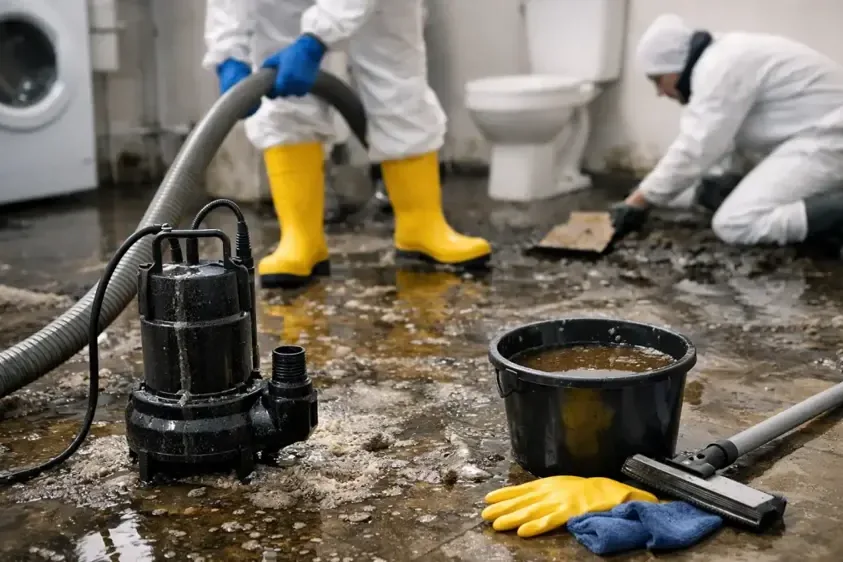
Protective-clothed workers cleaning contaminated water around bathroom fixtures
Occupant prioritySeparate from wastewater exposure
Source questionWhich system serves property
Material decisionCleanable or unsuitable porous
Drying stageAfter controlled contamination cleanup
First steps

What to do before sewage backup cleanup

  1. Restrict the exposed room. Children, pets and routine foot traffic should stay outside the wastewater area. Access arrangements must preserve separation without anyone crossing contaminated flooring to close a door.
  2. Limit discharge feeding the backup. The source professional should advise on fixture use. Continued discharge can recontaminate cleaned surfaces and spread wastewater into adjoining rooms while the cause remains unresolved.
  3. Report the serving system. The owner should explain the known sewer or septic arrangement and any recent service work. That information helps connect the interior cleanup with the appropriate wastewater source investigation.
  4. Document without handling waste. Photographs from clean access can show affected fixtures and belongings. Contaminated items should not be carried into unaffected rooms before a handling and disposal approach has been established.

Sewage Backup Cleanup assessment

Define controlled work boundaries
Inspection identifies the wastewater footprint and suitable equipment routes. Source status and occupant restrictions are established before recovery so renewed backup can be addressed during cleanup.
Recover water and unsuitable materials
Wastewater is collected under appropriate controls. Contaminated porous finishes and contents receive retention or removal decisions based on their condition and the ability to clean them adequately.
Clean retained surfaces
After necessary removal, suitable surfaces receive treatment at contact areas, seams and concealed edges. The sequence separates contaminated handling from areas already cleaned before drying is assessed.
Assess remaining moisture and repairs
Drying needs are evaluated after cleanup. The handoff explains retained material conditions, removed finishes and source related work so rebuilding and room use follow a clear completion decision.
How the work proceeds

How sewage backup cleanup is handled

  1. 1

    Define controlled work boundaries

    Inspection identifies the wastewater footprint and suitable equipment routes. Source status and occupant restrictions are established before recovery so renewed backup can be addressed during cleanup.

  2. 2

    Recover water and unsuitable materials

    Wastewater is collected under appropriate controls. Contaminated porous finishes and contents receive retention or removal decisions based on their condition and the ability to clean them adequately.

  3. 3

    Clean retained surfaces

    After necessary removal, suitable surfaces receive treatment at contact areas, seams and concealed edges. The sequence separates contaminated handling from areas already cleaned before drying is assessed.

  4. 4

    Assess remaining moisture and repairs

    Drying needs are evaluated after cleanup. The handoff explains retained material conditions, removed finishes and source related work so rebuilding and room use follow a clear completion decision.

Planning the work

What does sewage backup cleanup cost in Sherwood, OR?

Sewage cleanup in Sherwood reflects contamination spread, porous material losses and controlled handling needs. The wastewater source repair may be separate, while the interior estimate should clearly identify recovery, removal, cleaning and subsequent drying.

Contained fixture area

$1,500 to $3,000
  • Limited wastewater spread
  • Accessible hard surfaces
  • Focused handling controls

Several contaminated materials

$3,000 to $5,500
  • Porous finish removal
  • Expanded waste routing
  • Additional surface cleaning

Extensive affected space

$5,500 to $8,000+
  • Broad contamination boundary
  • Complex contents decisions
  • Larger drying requirement

The scope reflects water category, affected area, material class and the delay before drying. water damage cost calculator.

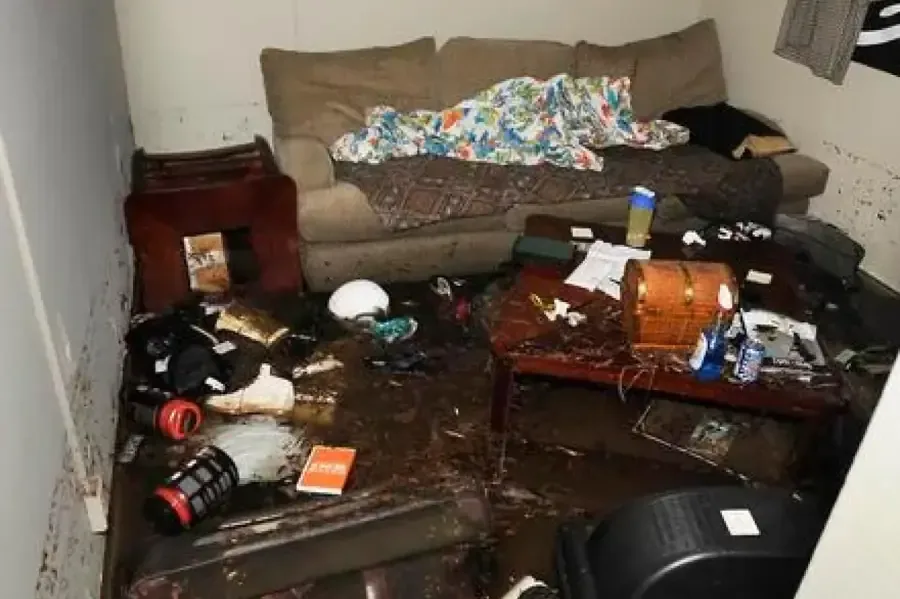
A backed up fixture can expose flooring, trim and stored contents to wastewater. The cleanup plan begins with restricted access and a clear boundary around the affected surfaces. Household movement should stay outside that area, and air should not be blown across it before contamination controls are established. Source correction and interior cleanup need coordination from the outset.

Identify the wastewater connection at the property

The Brookman Sanitary Sewer project involves Clean Water Services and the City of Sherwood. Its alignment is planned in or near Goose Creek and Cedar Creek, with future connections for private residences lacking sewer service. For an affected property, the practical starting point is establishing the system actually serving that building and the appropriate source repair contact.

Project connection arrangements include responsibilities for constructing a lateral and decommissioning a septic system where a property connects. Cleanup intake should therefore describe the property's current connection and known service work, alongside the fixtures that backed up. The inspection follows the actual wastewater release into the occupied interior.

Separate contaminated materials from ordinary contents

Porous finishes may retain contamination beneath the visible surface. The assessment considers removal where adequate cleaning is impractical and sets a route for handling waste without carrying it through unaffected living areas. Suitable retained surfaces are cleaned after recovery, with attention to seams, floor edges and accessible cavities touched by the backup.

  • Keep children and pets outside the affected room and waste route.
  • Record contaminated belongings without spreading them into clean storage.
  • Report renewed fixture backup before additional wastewater reaches cleaned surfaces.

Evaluate drying after the cleaning decisions

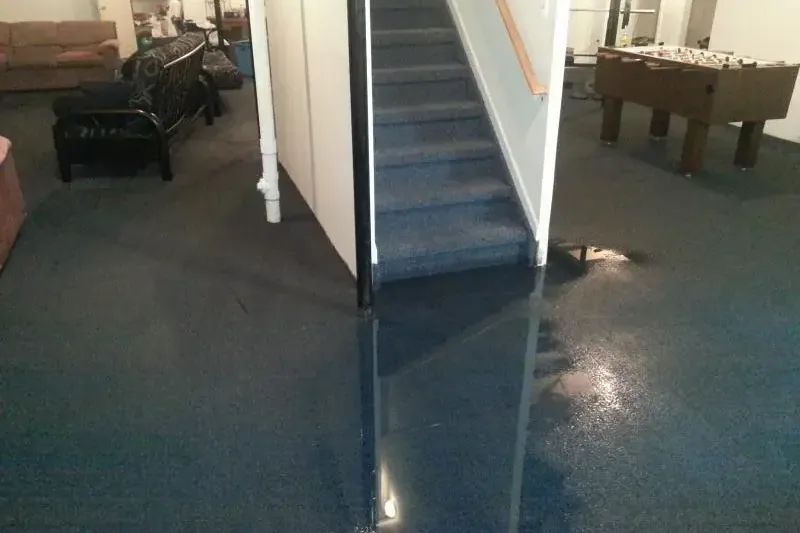
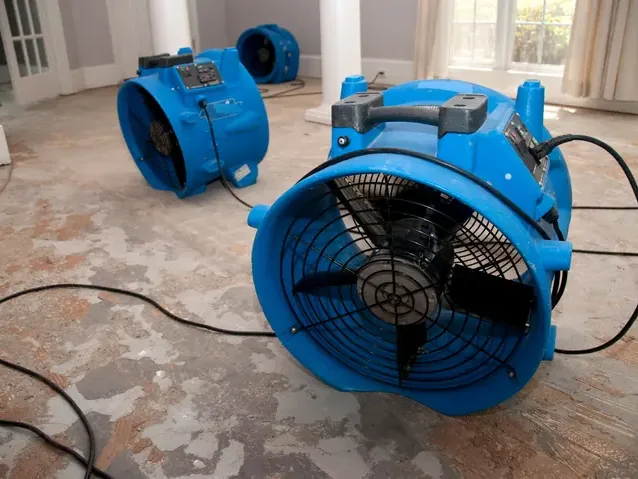
Once contamination is addressed, structural drying can assess the retained assembly's moisture condition. A lower room with standing wastewater may also need basement water removal planned around its access and hazards. The final scope should distinguish source repair, removed materials, cleaned surfaces and reconstruction so normal use resumes on the basis of the completed work rather than a dry looking floor alone.
Service area

Sewage backup cleanup coverage

A sewage incident in Brookman needs a description of the wastewater arrangement serving the actual property. Callers elsewhere in town should likewise identify affected fixtures, any ongoing backup and safe access that avoids crossing the contaminated room.

The same service nearby: sewage backup cleanup in West Linn, Wilsonville, Lake Oswego.

Water damage restoration in Sherwood · every town covered
Questions

Sewage Backup Cleanup questions

01Can occupants walk through the affected room?

Access should remain restricted because shoes and belongings can carry contamination elsewhere. The cleanup plan should provide a separate route for occupants and establish controlled handling before anyone retrieves items from wastewater exposed surfaces.

02Does every Brookman property use the same system?

The source assessment should establish the actual connection serving the affected property. The sewer project includes future residential connections, so the property owner should describe the current arrangement and known service history during intake.

03Is drying carpet enough after a sewage backup?

Drying does not remove contamination held in absorbent layers. Carpet and backing need a cleanability assessment, and unsuitable materials may require removal before the retained floor can receive proper cleaning and moisture evaluation.

04Should ordinary fans be used on the wastewater?

Air should not be directed across contaminated materials before appropriate controls and cleanup decisions. Equipment use belongs within a planned work area that separates exposed surfaces and handling routes from normal household activity.

05Why ask about continuing fixture use?

Additional discharge can feed an unresolved backup and spread wastewater into new areas. The source professional should advise on use while the cause is investigated, with restoration updated about any renewed release during cleanup.

06What should the final scope explain?

It should identify the contaminated footprint, removed materials, cleaned retained surfaces and remaining drying needs. Source repairs and reconstruction should also be clearly assigned so the owner understands what is complete before normal room use resumes.

24/7 water restoration

Plan controlled cleanup before room reuse

The assessment should explain material removal, retained surface cleaning and the moisture work needed after the wastewater has been recovered.

(888) 373-8814Wet rooms? Call