West Linn Water Damage RestorationWater extraction and structural drying
Restrict the affected space

Sewage Backup Cleanup in Wilsonville

Wastewater across a bathroom floor changes what can safely be touched or carried elsewhere. Wilsonville sewage cleanup organizes restricted access, affected material removal and cleaning while the drainage fault receives separate professional assessment.

(888) 373-8814Discuss the wastewater affected room
  • Controlled contaminated access
  • Porous material decisions
  • Recoverable surface cleaning
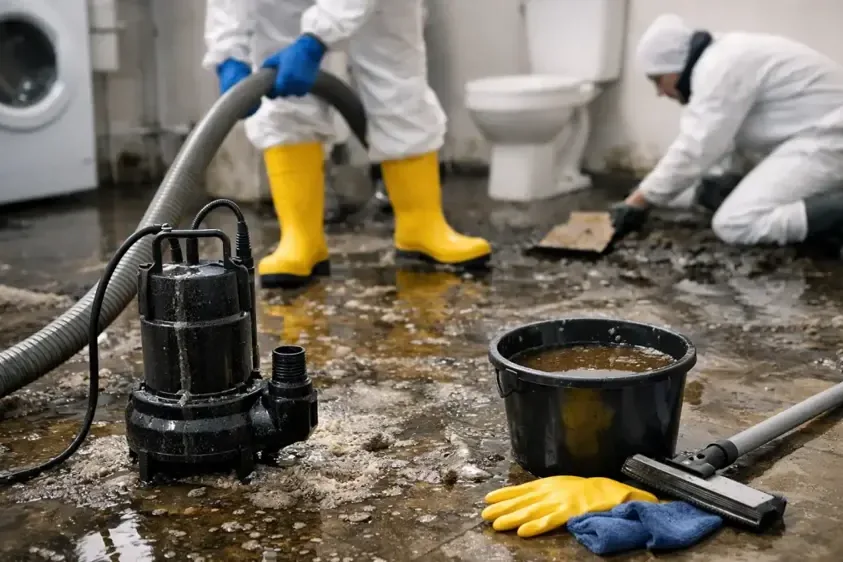
Protective-clothed workers cleaning contaminated water around bathroom fixtures
Immediate boundaryKeep occupants away
Source taskAssess the drainage fault
Recovery decisionRemove affected porous layers
Retained surfacesClean before controlled drying
First steps

What to do before sewage backup cleanup

  1. Keep people and pets out. The affected room should remain separated from normal traffic. Occupants should avoid touching wastewater or moving soaked belongings through spaces that have stayed clean.
  2. Limit contributing fixture use. If using a fixture causes water to rise, stop that use and report the pattern to the drain professional. Avoid repeated testing while the source remains unresolved.
  3. Document from clean access. Room photographs can be taken from an unaffected doorway when safe. Note the fixtures involved and visible spread without walking through contaminated water to inspect distant corners.
  4. Identify a responsible contact. The owner or manager should coordinate drain assessment and cleanup access. Clear authority is needed for removal decisions, contents handling and approval of the affected material scope.

Sewage Backup Cleanup assessment

Establish the contact boundary
The assessment identifies wastewater exposure, clean access and ongoing backup conditions. Occupied areas are separated from the affected room before removal work is organized.
Remove wastewater and losses
Recovery methods address the water condition and material exposure. Unsuitable porous layers and affected contents are handled through a controlled route that protects unaffected spaces.
Clean recoverable hard surfaces
After removal, the remaining surfaces receive appropriate cleaning, including exposed edges and joints. The condition of concealed areas is checked before the assembly enters its drying phase.
Dry and document the handoff
Material readings establish drying progress after cleaning. The record separates completed recovery from drain repairs and replacement work, including any remaining areas that require access or further assessment.
How the work proceeds

How sewage backup cleanup is handled

  1. 1

    Establish the contact boundary

    The assessment identifies wastewater exposure, clean access and ongoing backup conditions. Occupied areas are separated from the affected room before removal work is organized.

  2. 2

    Remove wastewater and losses

    Recovery methods address the water condition and material exposure. Unsuitable porous layers and affected contents are handled through a controlled route that protects unaffected spaces.

  3. 3

    Clean recoverable hard surfaces

    After removal, the remaining surfaces receive appropriate cleaning, including exposed edges and joints. The condition of concealed areas is checked before the assembly enters its drying phase.

  4. 4

    Dry and document the handoff

    Material readings establish drying progress after cleaning. The record separates completed recovery from drain repairs and replacement work, including any remaining areas that require access or further assessment.

Planning the work

What does sewage backup cleanup cost in Wilsonville, OR?

Sewage cleanup in Wilsonville depends on contaminated contact, porous material loss and removal access. These ranges compare interior recovery scopes; drain repair and replacement finishes should be identified separately from cleaning and drying work.

Contained fixture area

$1,500 to $3,000
  • Limited contact zone
  • Accessible wastewater recovery
  • Focused hard surface cleaning

Several contaminated materials

$3,000 to $5,500
  • Porous layer removal
  • Expanded contents handling
  • Broader cleaning access

Extensive affected space

$5,500 to $8,000+
  • Multiple contaminated rooms
  • Complex disposal route
  • More structural drying

The scope reflects water category, affected area, material class and the delay before drying. water damage cost calculator.

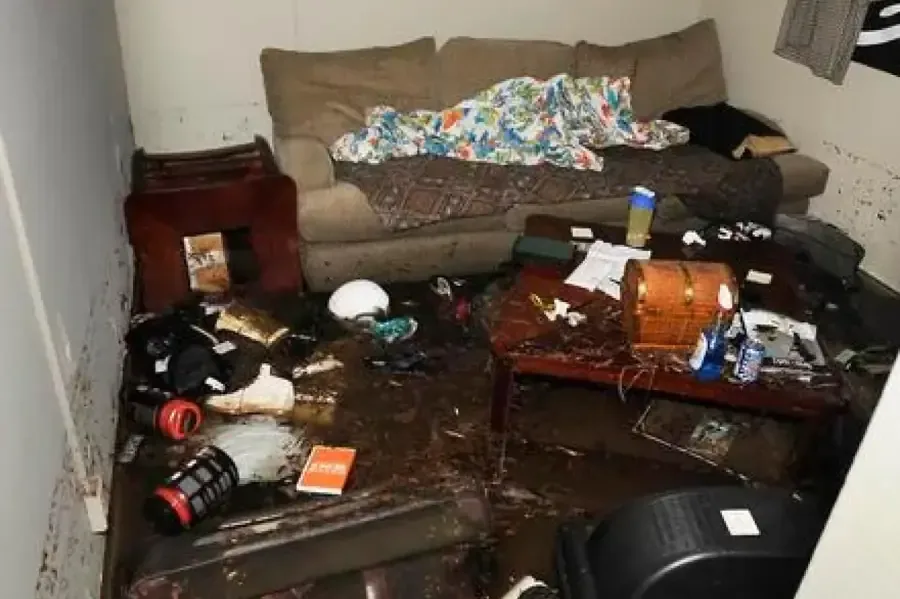
Sewage in a room requires a different response from a small supply spill. Foot traffic can carry contamination onto clean flooring, and ordinary fans can disturb affected material. Wilsonville sewage backup cleanup begins by keeping people away from the wastewater and establishing a controlled route for removal and cleaning.

Distinguish the drainage systems

The city provides wastewater treatment. Its municipal stormwater system handles runoff through separate treatment and conveyance facilities that discharge to the Willamette River. A backup inside a building needs a drain assessment directed at the actual affected fixture and source. The cleanup record should identify what entered the room and which surfaces it contacted.

Set a boundary around the contact area

For a property in Old Town, Town Center or RiverGreen, the room layout determines the removal route. A wet bath mat carried into a hallway can expand the affected area. Items should remain for controlled assessment unless movement is necessary for immediate safety. Photographs from an unaffected doorway can document the scene without requiring contact.

  • Porous flooring can absorb wastewater beneath an intact looking surface.
  • Cabinet bases may conceal contact beyond the visible bathroom puddle.
  • Footwear can transfer contamination outside the original wet boundary.
  • Clean storage space should remain separate from affected belongings.

Clean what remains after removal

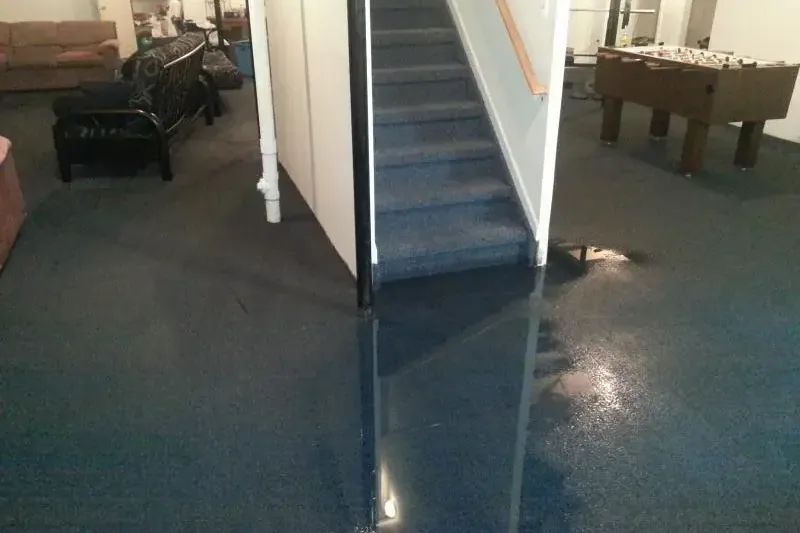
Recoverable hard materials require cleaning after wastewater and unsuitable porous layers are removed. The work should reach joints and edges exposed during removal, with appropriate handling of the recovered waste. Basement water removal may be involved if the backup reached a lower room with difficult access.

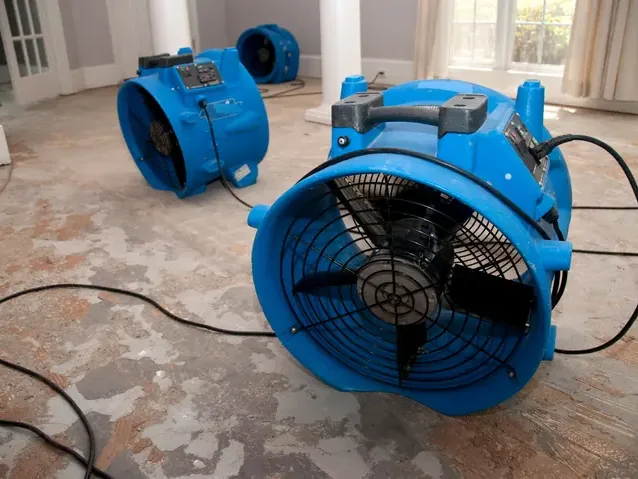
After cleaning, structural drying addresses retained moisture in the remaining assembly. Drying alone does not replace contamination cleanup. The final scope should document material disposal, cleaned surfaces and moisture conditions, while drain repair findings explain how the source problem was addressed before normal use resumes.
Service area

Sewage backup cleanup coverage

For sewage in Old Town, Town Center or RiverGreen, identify the affected fixture and every room the wastewater reached. The property contact should also explain available clean access and whether the drain problem is still allowing water to rise.

The same service nearby: sewage backup cleanup in West Linn, Sherwood, Canby.

Water damage restoration in Wilsonville · every town covered
Questions

Sewage Backup Cleanup questions

01Can household fans be used before cleanup?

Air movement can disturb contaminated material and spread it beyond the original area. Wastewater removal and cleaning decisions should come first. Equipment placement needs to reflect the water condition and the boundaries of the affected room.

02Is carpet recoverable after sewage contact?

Absorbent layers can retain contamination below the visible surface. The material assessment should consider that exposure and whether effective cleaning is possible. Disposal decisions should be documented before affected carpet or backing leaves the property.

03Does clearing the drain finish the work?

A corrected drain stops the source problem but leaves wastewater and affected materials indoors. The room still needs removal, cleaning and moisture assessment. Source repair and interior recovery should be coordinated as separate parts of the scope.

04Should belongings be washed in another bathroom?

Moving contaminated items through clean rooms can spread exposure. Contents should be assessed and a handling route established first. Some hard items may be recoverable, while absorbent belongings need a different decision based on contact and condition.

05What should a renter report first?

The designated building contact needs the affected fixture, visible spread and whether water is still rising. Photos from a clean location can help. Occupants should keep away from the room while access and drain assessment are arranged.

06Why is drying still necessary after cleaning?

Water can remain in recoverable framing or other building layers after contaminated surfaces have been addressed. Measured drying helps prepare those materials for repairs. Cleaning and moisture removal serve different purposes within the completed recovery process.

24/7 water restoration

Recover the contaminated room methodically

Arrange an assessment of removal needs, recoverable surfaces and drying requirements while the drainage problem receives the appropriate professional attention.

(888) 373-8814Wet rooms? Call