A storm loss often involves several decisions at once. Water must stop entering, people need a safe route through the property, and wet materials require attention before finishes hide the damage. The initial inspection should record these tasks separately. An exterior repair alone will not recover water already inside a wall, and extraction alone will not correct an open entry route.
Public drainage and interior damage have different tasks
The City of Canby Public Works Department handles storm drains, and the city publishes a Stormwater Master Plan 2022 Update. A report about a public drain can identify that concern for the department. Meanwhile, cleanup inside an affected building focuses on water depth, deposited debris and the materials touched by the release. Both issues may need attention during the same incident.
Follow the rain path through each assembly
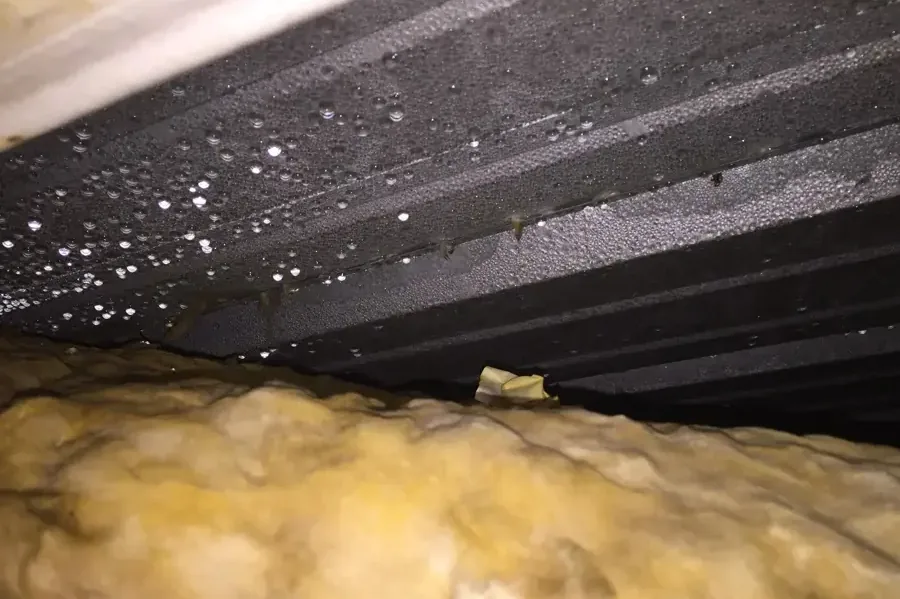
A stain below the roof calls for a different inspection route from water crossing a door sill. Starting at the first visible sign, the assessment follows gravity, joints and material transitions. Wet insulation can retain water above an apparently improving ceiling. Flooring may conceal moisture at the perimeter after the main room has been extracted.
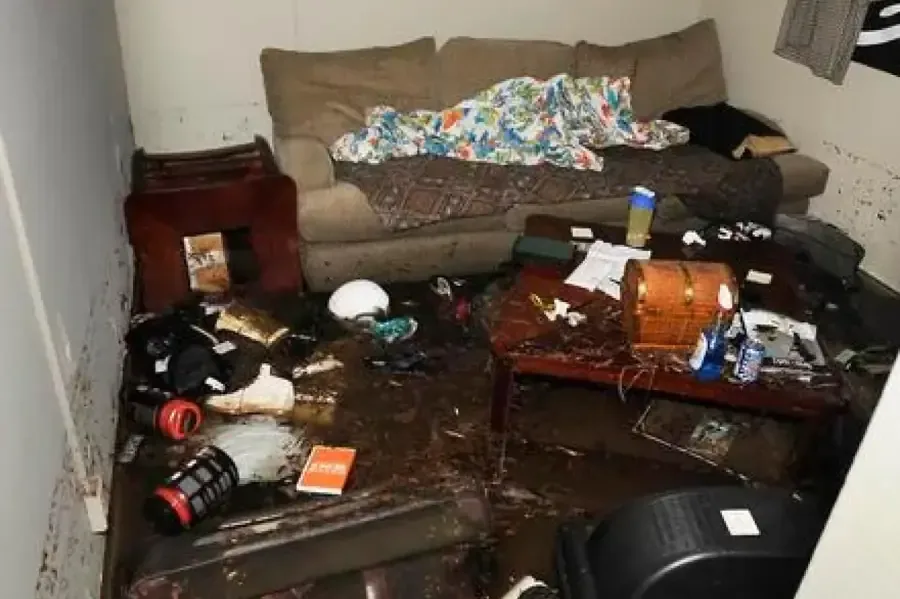
For damage beneath overhead entry, roof leak cleanup includes attention to the interior assembly beneath the roof. When runoff deposits soil across a room, flood damage cleanup addresses the added cleaning and material handling needs.
Prepare a useful storm loss description
A property near Northwood Park, Maple Street Park or Oregon Route 99E can be located using familiar references. The description should then move indoors: the first wet room, the height of staining and the direction water travelled. These observations help focus access and protect adjacent rooms during removal.
- Keep photographs of the entry opening and the first affected surface together.
- List rooms with ceiling stains separately from rooms with pooled floor water.
- Note whether a temporary repair has stopped the incoming rain completely.
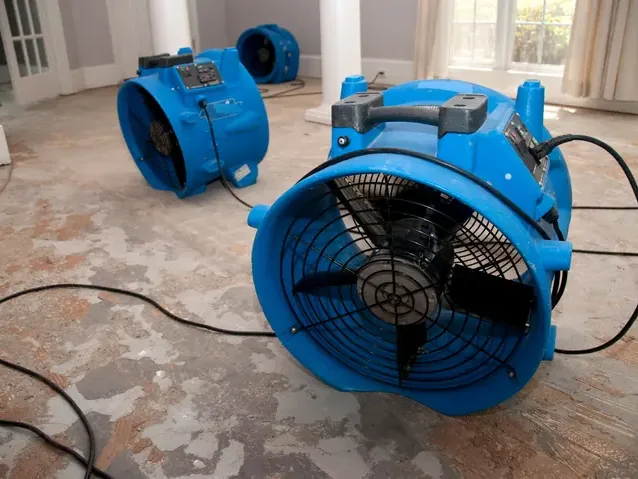
- Retain drying records before new finishes conceal the inspected framing again.
The work ends with a clear account of what dried, what was removed and which entry repairs still need completion.