West Linn Water Damage RestorationWater extraction and structural drying
After outdoor water enters

Flood Damage Cleanup in Canby, OR

Mud inside a doorway changes the cleanup plan. Flood damage in Canby requires attention to what the water carried, which materials absorbed it and how the building can be entered safely.

(888) 373-8814Describe the flood entry
  • Separate affected rooms
  • Record deposited debris
  • Evaluate porous materials
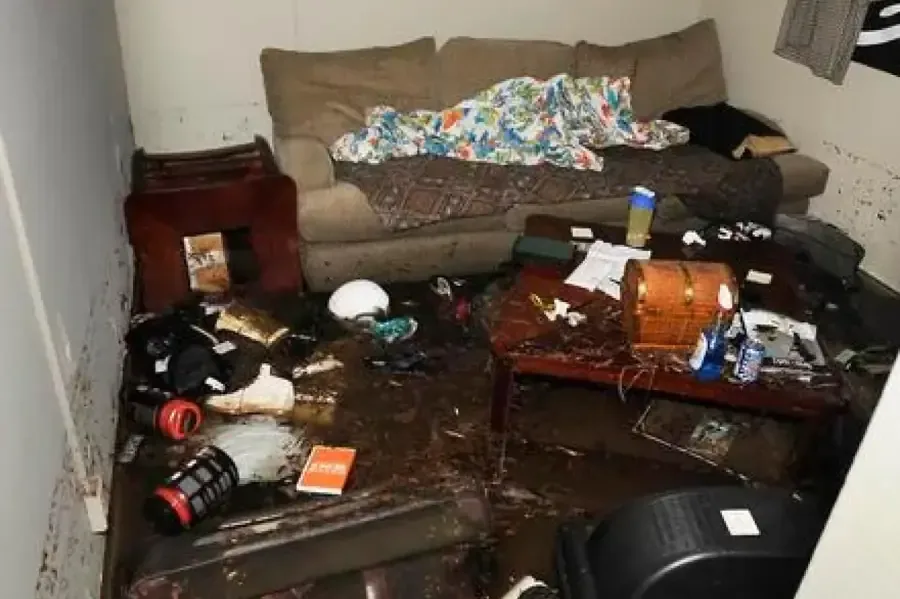
Mud and soaked household belongings across a flood-affected living room
Entry clueDebris at the threshold
First boundarySeparate affected living areas
Material assessmentAbsorption and contamination
Repair basisClean dry assemblies
First steps

What to do before flood damage cleanup

  1. Wait for safe entry. Outdoor floodwater may hide electrical contact, unstable surfaces or debris. Occupants should remain outside the affected rooms until the building can be assessed for safe access.
  2. Capture the entry evidence. Photograph the threshold, water marks and affected belongings before cleaning changes them. A short description of when the entry began helps preserve the event sequence.
  3. Separate dry belongings. Unaffected possessions should stay away from contaminated walking routes. Handling wet items and clean items together can carry debris into rooms that escaped the original flood.
  4. Identify continuing inflow. Note whether water still arrives through an opening or collects after rainfall. Interior removal and the repair of the entry route need coordinated but distinct decisions.

Flood Damage Cleanup assessment

Trace the indoor spread
The assessment records the entry route, deposited material and wet boundaries. This information supports a cleanup scope tied to the actual condition of the building.
Remove affected debris
Loose deposits and unsalvageable porous materials leave through a controlled route. Contents are documented so their condition remains clear after the room has been cleared.
Clean accessible surfaces
Retained surfaces receive cleaning suited to their exposure. Hidden joints and cavities need evaluation before the drying stage begins around materials selected to remain in place.
Verify repair readiness
Moisture checks follow drying progress at the affected structure. The handoff identifies completed cleanup and any remaining opening repairs that could allow another water entry.
How the work proceeds

How flood damage cleanup is handled

  1. 1

    Trace the indoor spread

    The assessment records the entry route, deposited material and wet boundaries. This information supports a cleanup scope tied to the actual condition of the building.

  2. 2

    Remove affected debris

    Loose deposits and unsalvageable porous materials leave through a controlled route. Contents are documented so their condition remains clear after the room has been cleared.

  3. 3

    Clean accessible surfaces

    Retained surfaces receive cleaning suited to their exposure. Hidden joints and cavities need evaluation before the drying stage begins around materials selected to remain in place.

  4. 4

    Verify repair readiness

    Moisture checks follow drying progress at the affected structure. The handoff identifies completed cleanup and any remaining opening repairs that could allow another water entry.

Planning the work

What does flood damage cleanup cost in Canby, OR?

Canby flood cleanup ranges account for debris, affected room count and the materials that need removal. Contaminated porous finishes and difficult access can expand the scope beyond extraction of visible water from the floor.

Limited outdoor entry

$2,000 to $4,000
  • Small debris area
  • Accessible affected surfaces
  • Focused material assessment

Multiple flooded rooms

$4,000 to $8,000
  • Broader contents handling
  • Connected wet finishes
  • Expanded cleaning scope

Extensive flood impact

$8,000 to $12,000+
  • Widespread material removal
  • Complex room separation
  • Multiple drying zones

The scope reflects water category, affected area, material class and the delay before drying. water damage cost calculator.

Floodwater leaves a record on the building: a deposit along the doorway, swollen trim or damp contents below the water mark. Those details help organize an inspection after safe access is established. Cleanup must account for sediment and contamination as well as the moisture left in materials. A clear floor does not mean the affected assembly is ready for repair.

Start at the opening where water arrived

The Molalla River runs along Canby's southern and western border, and the ferry crosses the Willamette River. At an affected property, the practical task is tracing the actual entry opening and the indoor spread. Water may have crossed a threshold, reached a lower opening or collected around an existing defect. Photographs of that path help preserve the sequence for repair planning.

Sort contents before drying the room

Outdoor water can wet absorbent belongings and deposit material beneath them. Boxes, upholstery and floor coverings require individual decisions based on exposure and condition. A removal record should identify the item and why it could not remain. Hard surfaces that can be cleaned need access around their joints and edges before drying equipment obscures the work area.

  • Keep unaffected possessions separate from the route used to remove wet debris.
  • Document water marks before washing changes their appearance on the surface.
  • Inspect wall cavities when contaminated water reached absorbent interior layers.

Keep public access and private cleanup organized

The Clackamas County Fairgrounds lie north of Oregon Route 99E. References such as these help explain a property's location, while the inspection concentrates on the rooms and openings actually affected. If public drainage also needs attention, storm water damage planning separates that issue from interior recovery.

After removal and cleaning, structural drying addresses retained materials. Readings at floor edges and exposed framing help determine when the space is ready for replacement finishes. That sequence reduces the chance of closing a clean looking room around damp layers.

Service area

Flood damage cleanup coverage

Flood assessments can be arranged using Oregon Route 99E and the Clackamas County Fairgrounds as location references. Property access, standing water depth and the room where outdoor water entered help define the initial inspection priorities.

The same service nearby: flood damage cleanup in West Linn, Wilsonville, Sherwood.

Water damage restoration in Canby · every town covered
Questions

Flood Damage Cleanup questions

01Does floodwater always leave visible mud?

No. Outdoor water can affect indoor materials without a heavy deposit. Its source and contact with the building still matter when deciding which surfaces need cleaning and which porous items require removal.

02Can soaked boxes stay in the drying room?

Wet boxes can obstruct access and hold moisture against flooring. Their contents and exposure need assessment, with damaged packaging handled separately so cleaning and drying can reach the building surfaces beneath.

03Should water marks be washed off first?

Photographs should capture them before washing when safe access permits. Water marks can show the extent of contact, helping the owner and any claim assessor understand the original condition after cleanup changes it.

04Will river geography determine the cleanup scope?

The cleanup scope follows the water found at the property, its entry point and affected materials. Inspection of the building establishes the work needed for the specific rooms and contents involved.

05Why remove some finishes before drying?

Contaminated or badly deteriorated porous finishes may obstruct cleaning and retain water. Their removal can expose structural materials that need attention and allow the remaining assembly to be evaluated more completely.

06What happens after the room has dried?

The repair plan can address removed finishes and the route of outdoor entry. Final moisture records help support closure of the affected assemblies, while any remaining exterior defect needs its own correction.

24/7 water restoration

Plan recovery from the threshold inward

A documented cleanup sequence connects debris removal, retained material cleaning and measured drying before repairs close the damaged areas.

(888) 373-8814Wet rooms? Call