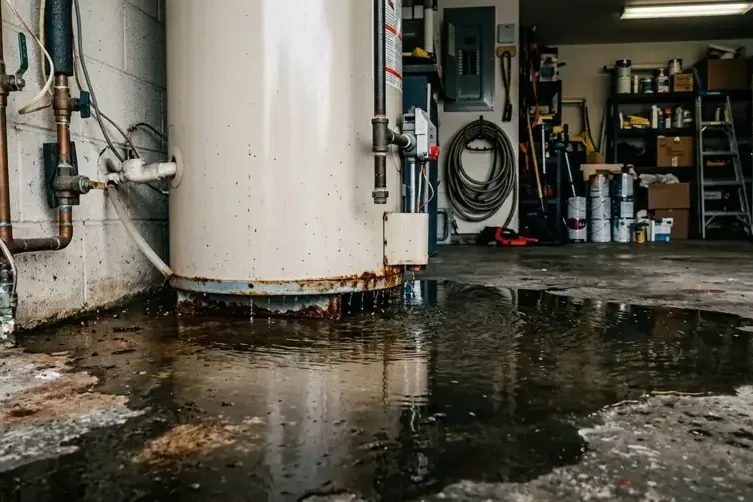
A cardboard box beside a leaking tank may absorb water before the open floor shows a large pool. Water heater cleanup in Lake Oswego examines those hidden contact points as well as the equipment surroundings. The tank problem and the wet building materials require coordinated attention, even when replacement equipment is already arranged.
Follow the escape route from the heater
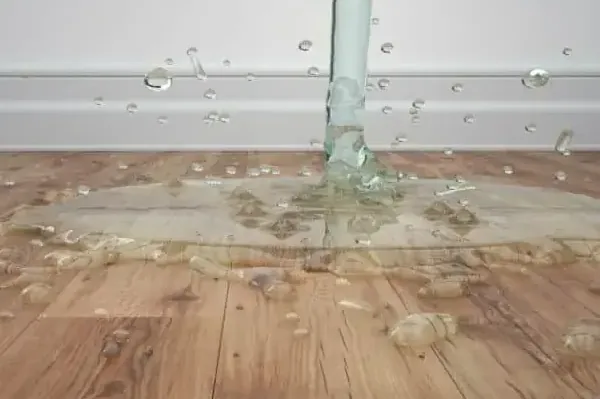
Water can run along a floor edge, beneath a storage shelf or into an adjoining room through a low opening. The inspection should establish the condition of the tank area and the connected assemblies. A dry patch immediately beside the equipment may result from surface cleanup while a nearby baseboard still conceals damp wall material.
Westridge, Glenmorrie and Lake Grove each provide neighborhood references for a service request. Inside the particular home, the position of the heater and its relationship to finished rooms determine the scope. The assessment should include whatever flooring, cabinetry or wall surfaces the release actually reached.
Move contents with the wet boundary in mind
Stored belongings can obstruct extraction and hold water against finishes. Items should be photographed and evaluated before movement, especially if the floor is slippery or the tank area contains exposed equipment connections. A controlled handling route keeps damp contents away from unaffected materials while allowing closer inspection of the surrounding structure.
- Lower wall edges can wick water from a shallow pool near the heater.
- Floor coverings may conceal saturation that extends beyond the equipment footprint.
- Wood storage supports can stay wet where they contact a damp floor.
- Adjacent doorways deserve checks when water has moved into a connected room.
Continue after the tank work is complete
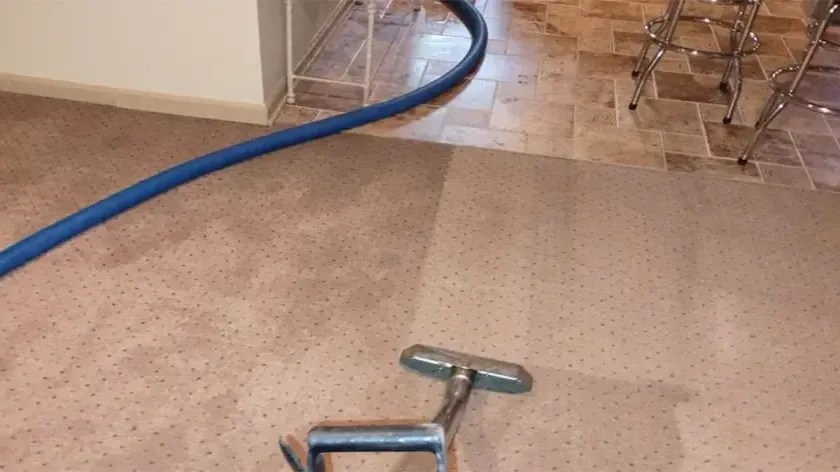
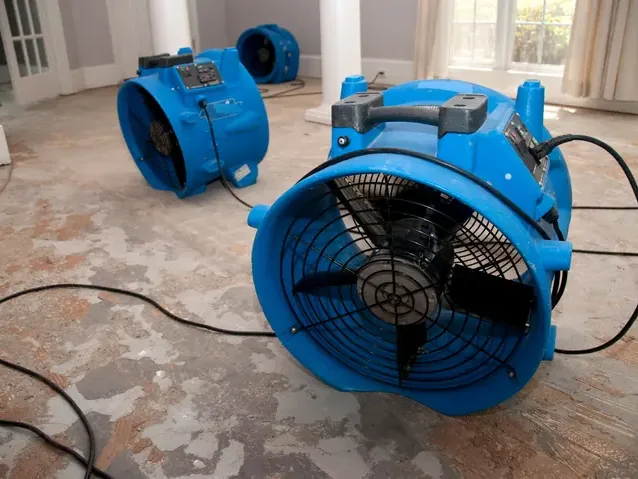
Water extraction removes recoverable water from the accessible area. The next decisions concern retained materials and the access needed for structural drying. A new heater does not change the moisture already stored beneath a floor finish.
Completion notes should describe affected layers, removal work and the condition of the remaining assembly. These details help separate equipment installation from the interior repairs still needed after the release.