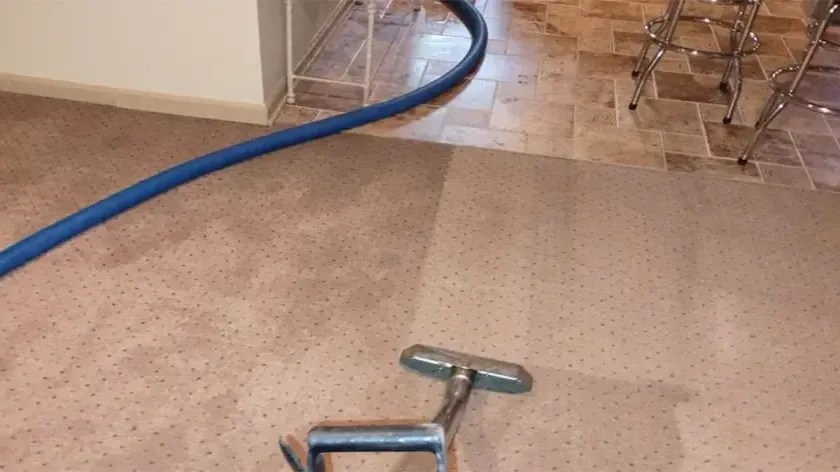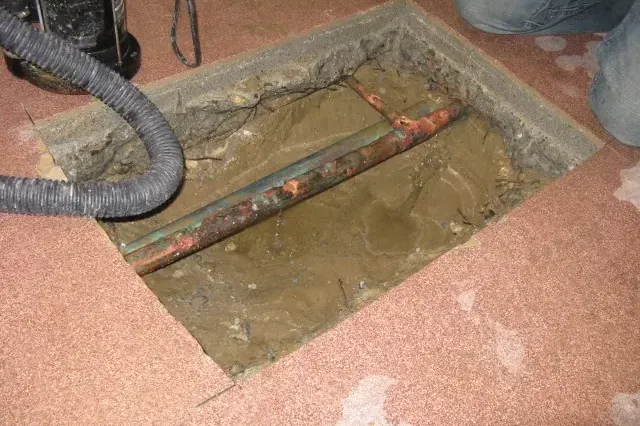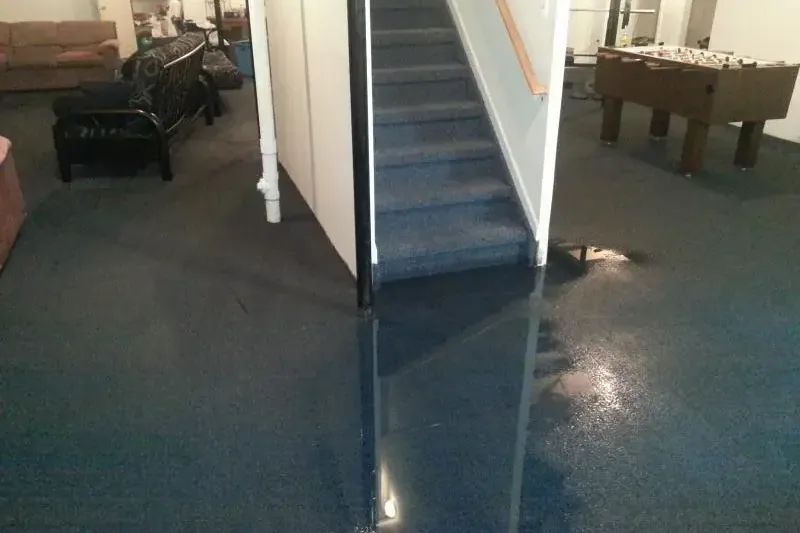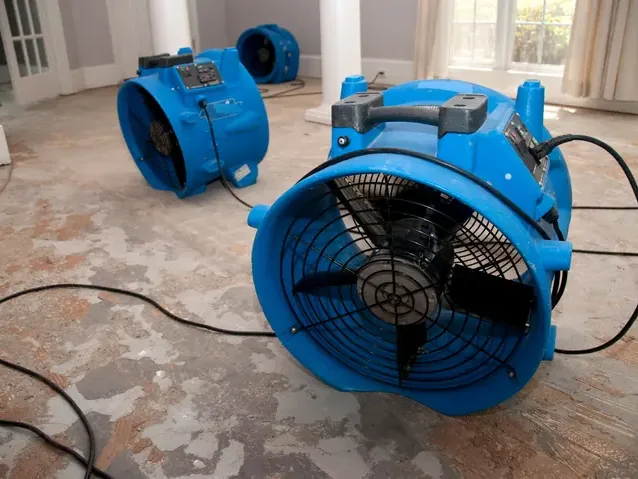
A dry towel on the floor cannot reveal the moisture inside its supporting layers. Structural drying in Lake Oswego focuses on those retained materials after standing water and necessary cleaning are addressed. The goal is a documented change in the assembly's condition, rather than equipment running for an arbitrary period.
Start with the source and the retained layers
The city has documented outdoor flood history around Oswego Lake and the Oswego canal, alongside household leak concerns such as dripping faucets and worn toilet flappers. Those sources create different cleaning requirements before drying. Once the affected area is ready, the inspection identifies framing, subfloor and other materials that can remain and need measured moisture removal.
For an interior in Uplands, Palisades or Lakewood, the practical questions concern the actual assembly. Dense floor layers, insulated cavities and exposed studs offer different access to moving air. Equipment should be arranged around those conditions, with selective openings considered when a finish traps moisture against a retained surface.
Readings give equipment a purpose
Air movement supports evaporation at exposed surfaces, while dehumidification removes moisture from the room air. Neither is a substitute for access to a hidden wet layer. A progress assessment should compare readings at meaningful locations and investigate materials that are drying more slowly than the surrounding area.
- Check lower wall connections where several materials meet and restrict airflow.
- Track floor assemblies beneath coverings that may limit moisture movement into room air.
- Assess equipment placement when access changes after selective material removal.
- Record the remaining wet locations instead of relying only on a room wide impression.
Prepare the next trade with useful records
Where recoverable water persists, water extraction comes before the final drying arrangement. Contaminated releases may first require sewage cleanup and removal decisions that change the exposed assembly.
The handoff should document retained material conditions and identify repairs still outstanding. Flooring, insulation and wall finishes can then be installed with an understanding of the substrate, rather than concealing a wet layer because the room feels comfortable again.