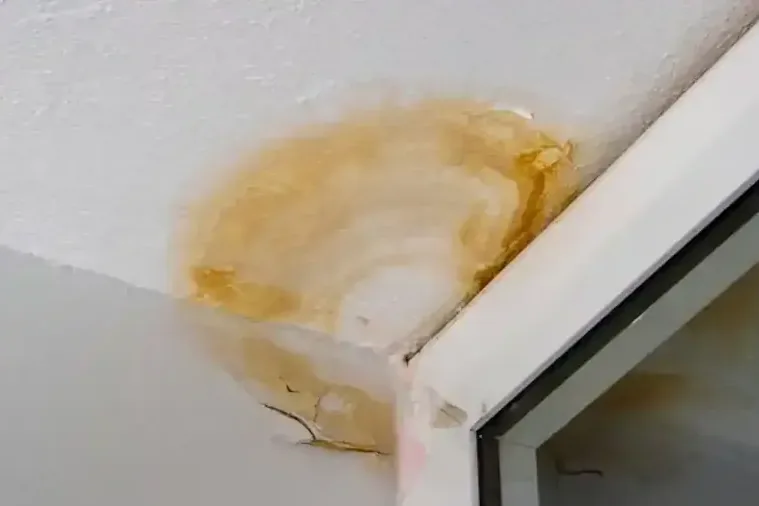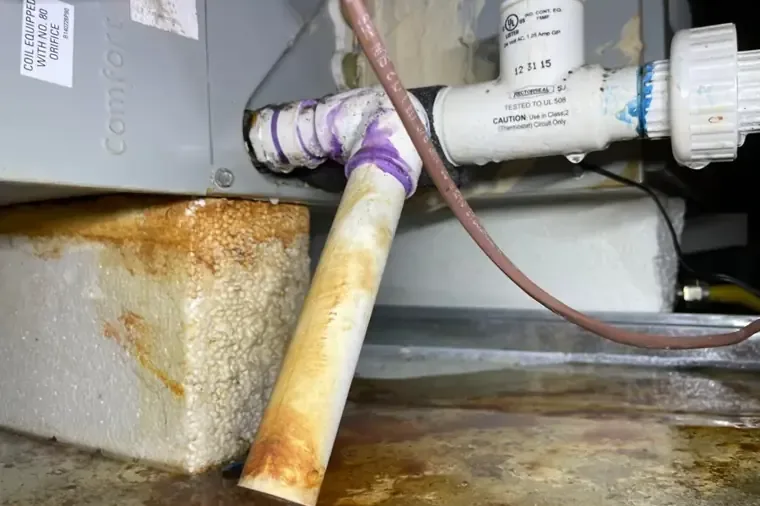
A small recurring drip can saturate insulation or a ceiling panel long before it creates an obvious puddle. Condensate belongs in the equipment's drainage arrangement; water escaping beyond that route needs investigation. The equipment technician addresses the discharge problem, while the restoration assessment determines which surrounding materials absorbed the overflow and whether concealed layers need access.
Start at the unit and follow gravity
The assessment records the pan area, visible drain connections and the first damaged finish. Water may follow framing or an enclosure before appearing in the occupied room. A stain offset from the unit therefore deserves a broader inspection than the mark alone suggests. Repeated wetting can also affect materials that appear dry between equipment cycles.
Brookman, SW Pine Street and SW Willamette Street help locate a Sherwood property during intake. The more important equipment details are where the unit actually sits, whether the room beneath it is occupied and how an authorized technician can reach the drain and surrounding assembly.
Separate equipment service from interior recovery
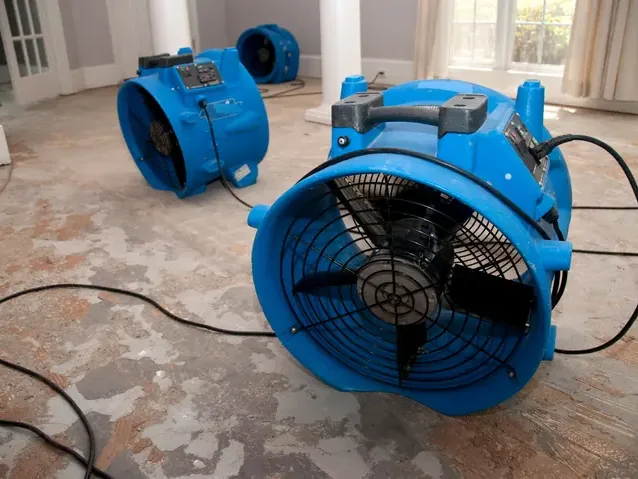
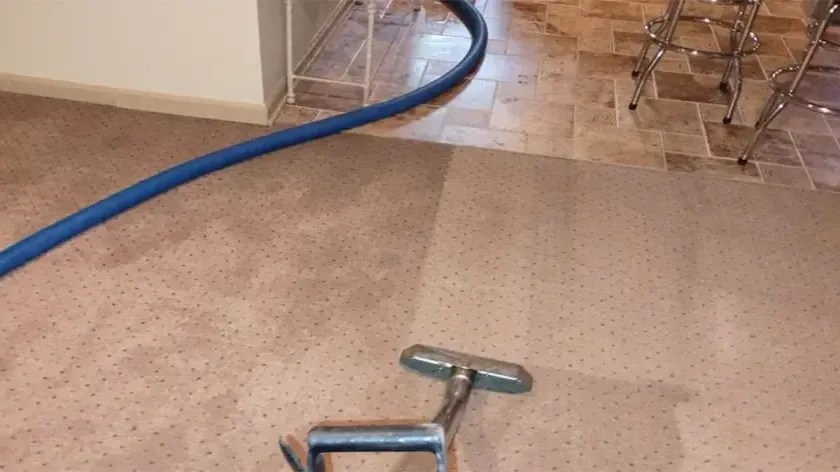
Restoring condensate flow stops the source but does not remove water already held in insulation, wallboard or a cabinet base. The cleanup scope should identify accessible surfaces, materials that need removal and retained areas requiring measured drying. If the unit must remain off, that limitation also belongs in the equipment and occupancy discussion.
- Note whether dripping coincides with cooling operation or continues afterward.
- Keep photographs of stains before panels or trim are disturbed.
- Describe previous overflow at the same equipment location during assessment.
Dry beyond the visible drip mark
Affected overhead finishes may need ceiling leak cleanup when wet material loses support. Retained framing and wall layers can require controlled structural drying even after the pan is dry. The repair handoff should explain how the wet boundary was checked and which surfaces can be closed, with equipment servicing and finish replacement kept clearly assigned to the appropriate work scope.