West Linn Water Damage RestorationWater extraction and structural drying
Small drip, concealed spread

AC Condensate Leak Cleanup in Wilsonville

Cooling equipment can release a slow overflow into an enclosed space before a stain appears below. Wilsonville condensate cleanup follows the drip from the equipment area into nearby insulation, wallboard and floor edges.

(888) 373-8814Trace the cooling equipment drip
  • Pan overflow assessment
  • Wet cavity access
  • Equipment repair coordination
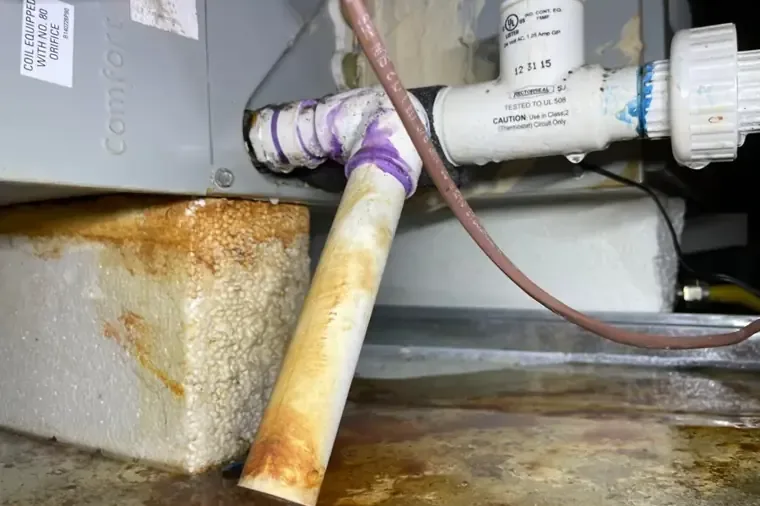
Rust staining around the condensate pan and drain connection beneath an air handler
First clueDrip near cooling equipment
Source inspectionDrain and pan condition
Material focusAdjacent concealed layers
Work sequenceStop overflow then dry
First steps

What to do before AC condensate leak cleanup

  1. Describe operating conditions. Note whether the drip appears while cooling equipment runs and where water becomes visible. That account helps the equipment professional investigate without relying only on a ceiling stain.
  2. Avoid wet controls. An occupant should not reach through water to operate equipment or open an electrical compartment. A safely accessible control may be used only when the approach remains dry.
  3. Keep the stained area clear. Belongings below a drip can be moved along a dry route if the ceiling is stable. A sagging overhead surface requires the area beneath it to remain unoccupied.
  4. Arrange access to the unit. The property contact should explain closet, attic or service area access and identify any restrictions. Equipment repair and moisture assessment both need a workable approach to the source.

AC Condensate Leak Cleanup assessment

Inspect the overflow footprint
The assessment connects equipment location with the damp finish, checks overhead stability and identifies enclosed areas where repeated dripping may have accumulated unseen water.
Coordinate source correction
The equipment specialist addresses the drainage fault while cleanup planning determines the materials requiring access. That coordination prevents ongoing overflow from repeatedly wetting the work area.
Recover affected assemblies
Damaged absorbent layers are assessed for removal and retained surfaces receive appropriate drying. Openings should reach the moisture pocket while preserving access for equipment service.
Confirm cavity progress
Repeat readings compare the original drip area with nearby material conditions. The final inspection identifies whether the assembly is ready for closure after the equipment repair.
How the work proceeds

How AC condensate leak cleanup is handled

  1. 1

    Inspect the overflow footprint

    The assessment connects equipment location with the damp finish, checks overhead stability and identifies enclosed areas where repeated dripping may have accumulated unseen water.

  2. 2

    Coordinate source correction

    The equipment specialist addresses the drainage fault while cleanup planning determines the materials requiring access. That coordination prevents ongoing overflow from repeatedly wetting the work area.

  3. 3

    Recover affected assemblies

    Damaged absorbent layers are assessed for removal and retained surfaces receive appropriate drying. Openings should reach the moisture pocket while preserving access for equipment service.

  4. 4

    Confirm cavity progress

    Repeat readings compare the original drip area with nearby material conditions. The final inspection identifies whether the assembly is ready for closure after the equipment repair.

Planning the work

What does AC condensate leak cleanup cost in Wilsonville, OR?

Condensate cleanup in Wilsonville depends on where overflow traveled and how the surrounding cavity can be reached. These ranges compare interior damage scopes, while cooling equipment diagnosis and repairs should be stated separately from material drying.

Small accessible drip area

$600 to $1,400
  • Limited adjacent wetting
  • Direct equipment access
  • Simple surface recovery

Wet ceiling or wall cavity

$1,400 to $2,800
  • Concealed insulation checks
  • Selective finish opening
  • Targeted cavity drying

Repeated concealed overflow

$2,800 to $4,000+
  • Extended moisture pathway
  • Multiple wet layers
  • Broader removal scope

The scope reflects water category, affected area, material class and the delay before drying. water damage cost calculator.

A condensate leak can be easy to underestimate because each drip looks small. Repeated overflow may keep insulation or wallboard wet between equipment cycles. In Wilsonville, the useful question is where that moisture has accumulated around the cooling system and whether the equipment continues adding water to the affected cavity.

Connect the stain with the equipment

A technician evaluating the cooling equipment can inspect the pan and drainage path. Cleanup then traces the escaped water into the surrounding assembly. If a closet floor is wet, the adjoining wall base deserves attention. If the equipment sits above a ceiling, the assessment needs to include the material over the visible mark.

Owners in Canyon Creek North can help by describing whether dampness appears during operation and where it first became visible. A similar account from Frog Pond or Town Center should identify the actual equipment location and safe access. The room layout determines how the wet area can be reached.

Give slow saturation enough attention

Absorbent materials can retain more water than the surface suggests. The inspection should compare the stain with nearby readings and look for moisture at enclosed edges. Ceiling leak recovery may be relevant when condensate has reached the room below through a wall or overhead cavity.

  • Insulation beside the pan can hold water against surrounding materials.
  • A cabinet or closet base can hide repeated minor overflow.
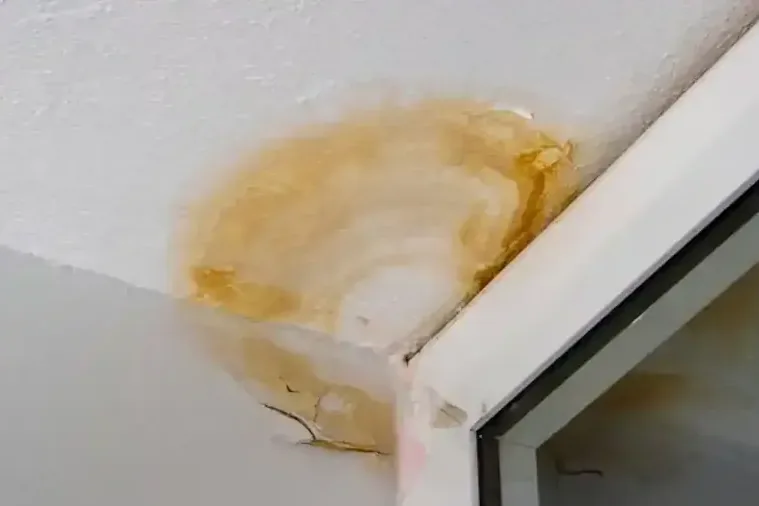
  • Ceiling paint may discolor before the wallboard loses visible shape.
  • Floor seams can carry a drip beyond the equipment footprint.

Dry after the overflow is controlled

Continued operation can undermine recovery if the equipment still leaks. Once the source is addressed, removal decisions establish which materials can remain. Structural drying uses access, airflow and dehumidification to address those layers. The drying record should include the original cavity and adjoining surfaces, so equipment repair and building recovery finish as connected tasks.
Service area

AC condensate leak cleanup coverage

For a home in Canyon Creek North, Frog Pond or Town Center, describe where the cooling equipment sits and which room shows moisture. Access to a closet or overhead cavity may matter more than the visible size of the stain.

The same service nearby: AC condensate leak cleanup in West Linn, Sherwood, Canby.

Water damage restoration in Wilsonville · every town covered
Questions

AC Condensate Leak Cleanup questions

01Can a small condensate drip cause concealed damage?

Repeated drips can keep absorbent layers wet even when the visible stain stays small. The assessment should include the cavity beside the equipment and the materials below it, particularly where air cannot circulate readily.

02Is the air conditioning repair part of drying?

Equipment diagnosis addresses the pan, drain or other failed component. Material recovery addresses water already released into the building. The written scope should distinguish those tasks while keeping access and scheduling coordinated.

03Should the stained ceiling simply be painted?

Paint can conceal a mark without addressing moisture above it. The source should be corrected and the ceiling assembly assessed first. Saturated insulation or damaged wallboard may require attention before finish work begins.

04Why check a wall beside the equipment closet?

A shallow overflow can travel across the closet floor and soak the wall base. The visible center may dry sooner than the enclosed edge. Moisture checks help establish whether that adjoining material needs access.

05Will a fan beside the unit solve the problem?

Air moving across the surface may not reach insulation or enclosed cavities. Equipment choice depends on the wet assembly and access. The overflow must also be controlled so drying work is not repeatedly undone.

06What details help during the first discussion?

The equipment location, visible drip pattern and rooms affected are useful starting points. Mention access restrictions and any sagging surface. Available repair findings can help connect the source correction with the building cleanup plan.

24/7 water restoration

Recover the materials around the equipment

Arrange an assessment of wet insulation, ceiling surfaces and concealed edges before the affected cavity is closed or repainted.

(888) 373-8814Wet rooms? Call