West Linn Water Damage RestorationWater extraction and structural drying
Rain entry and interior damage

Storm Water Damage in Lake Oswego

Rainwater entering at a threshold can spread under flooring before the weather clears. Storm cleanup follows the entry route, checks connected wall and floor layers and coordinates interior drying with measures that stop further wetting.

(888) 373-8814Assess rain entry damage
  • Runoff entry assessment
  • Wet threshold checks
  • Interior drying coordination
Workers pumping muddy floodwater from a property beside a recovery truck
Common clueWetting during rainfall
Entry checksThresholds and wall boundaries
Cleanup scopeDebris and absorbed moisture
Work sequenceControl entry then dry
First steps

What to do before storm water damage

  1. Observe from a sheltered area. The owner can note the point of entry from dry ground without stepping into runoff, approaching unstable surfaces or attempting outdoor work during hazardous weather.
  2. Keep the wet route separate. People should avoid tracking debris from a wet entrance through the house. Dry belongings can be moved only when the route and handling conditions are safe.
  3. Record rainfall related changes. A brief note about when the stain or puddle appeared helps distinguish active rain entry from older damage that became noticeable during the same weather event.
  4. Arrange source and interior assessment. The person assessing exterior entry and the cleanup team need a shared account of the affected opening, wet surfaces and any temporary protection already in place.

Storm Water Damage assessment

Connect exterior entry with wet rooms
Visible clues and moisture checks establish the indoor path from the affected boundary, including connected floor layers and wall materials beyond the original puddle or stain.
Recover water and collect residue
Accessible water is removed while debris is handled according to its contact with the building, allowing a closer evaluation of finishes and concealed wet areas.
Expose materials that need access
Damaged trim, insulation or floor coverings are assessed for retention. Selective openings allow cleaning and drying where intact finishes would otherwise trap moisture inside the assembly.
Assess progress after source control
Material readings track the dryout while the status of entry repairs remains part of the job record, supporting an informed handoff to interior repair work.
How the work proceeds

How storm water damage is handled

  1. 1

    Connect exterior entry with wet rooms

    Visible clues and moisture checks establish the indoor path from the affected boundary, including connected floor layers and wall materials beyond the original puddle or stain.

  2. 2

    Recover water and collect residue

    Accessible water is removed while debris is handled according to its contact with the building, allowing a closer evaluation of finishes and concealed wet areas.

  3. 3

    Expose materials that need access

    Damaged trim, insulation or floor coverings are assessed for retention. Selective openings allow cleaning and drying where intact finishes would otherwise trap moisture inside the assembly.

  4. 4

    Assess progress after source control

    Material readings track the dryout while the status of entry repairs remains part of the job record, supporting an informed handoff to interior repair work.

Planning the work

What does storm water damage cost in Lake Oswego, OR?

Storm water cleanup in Lake Oswego depends on the entry route, debris and depth of material wetting. A small threshold loss differs from rain that spreads through multiple concealed assemblies before the source is controlled.

Localized rain entry

$1,000 to $2,500
  • Limited wet boundary
  • Accessible surface cleanup
  • Focused drying arrangement

Several wet surfaces

$2,500 to $5,000
  • Connected wall damage
  • Multiple floor materials
  • Additional access openings

Widespread storm entry

$5,000 to $7,500+
  • Several entry paths
  • Extensive concealed wetting
  • Expanded interior monitoring

The scope reflects water category, affected area, material class and the delay before drying. water damage cost calculator.

A damp stripe along a doorway can be the first visible sign of storm water moving below a floor finish. In Lake Oswego, the cleanup assessment should connect that interior clue to the actual rain entry path. Drying the room is most useful when the continuing source is also being addressed.

Leaves can change the drainage picture

The city identifies blocked storm drains as a cause of localized flooding. Fall and winter street sweeping takes longer because leaves and pine needles accumulate. Public stormwater pipes and catch basins are maintained by the city, and stormwater remains separate from the sewer system. These distinctions matter when identifying whether water crossed an exterior opening or rose through a fixture inside the building.

For a home in Palisades, Westlake or Waluga, the inspection still follows the individual property. A wet wall edge may lead toward a doorway, an exterior wall penetration or another rain path that requires a separate repair.

Track the wetting beneath finishes

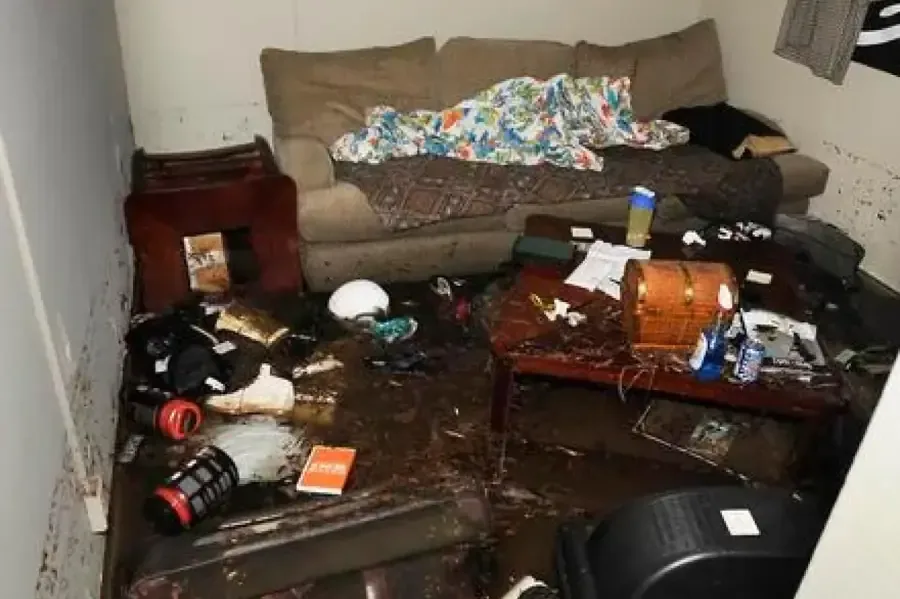
Runoff can carry fine debris into floor joints and against lower drywall. After accessible water is recovered, those contact areas need assessment for cleaning and selective removal. Swollen trim can conceal damp material beyond the visible stain, while a dry patch in the center of a room says little about its perimeter.

  • Record where the first indoor wetting appeared while rainfall was active.
  • Check adjoining closets and floor transitions connected to the affected exterior wall.
  • Keep debris from the wet entry route away from unaffected household rooms.

Choose the right follow-up work

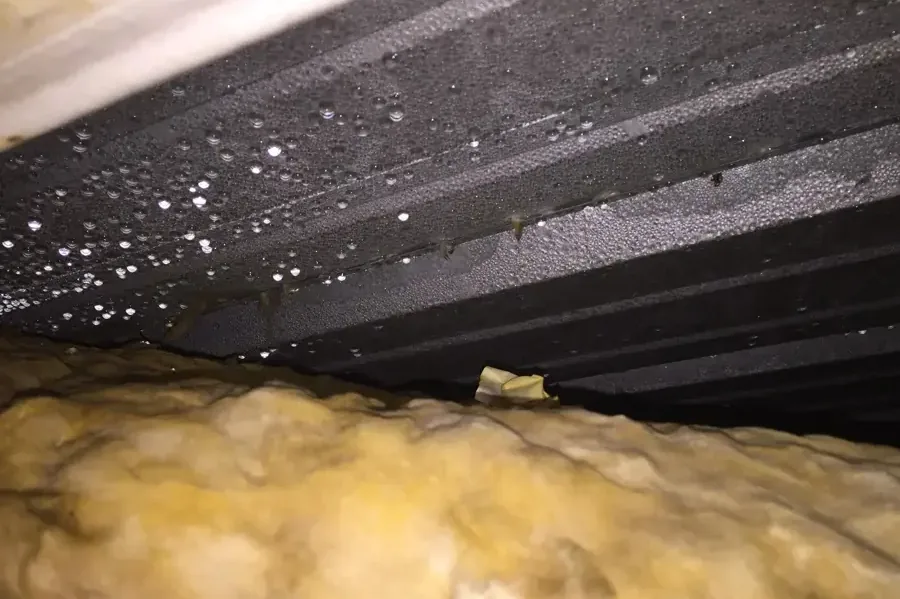
Extensive dirty outdoor water may require flood cleanup as part of the response. Water reaching overhead finishes instead calls for a closer look at roof leak damage and the materials above the ceiling.

The drying scope should identify which layers remain, how their moisture will be checked and what source repair is pending. That coordination reduces the chance of closing an assembly while rainfall can still reach it.
Service area

Storm water damage coverage

Lake Oswego storm damage calls may concern properties in Palisades, Westlake or Waluga and the 97034 and 97035 ZIP areas. Useful details include the rain entry location, whether water is still entering and which interior surfaces have changed.

The same service nearby: storm water damage in West Linn, Sherwood, Wilsonville.

Water damage restoration in Lake Oswego · every town covered
Questions

Storm Water Damage questions

01Does a blocked street drain explain every wet room?

The city identifies blocked drains as a localized flooding concern, but an interior inspection must follow the actual entry path. Roof openings, wall defects and thresholds can produce different damage patterns during the same rainfall.

02Can drying begin before exterior repairs are complete?

Some mitigation may proceed once the area is safe and temporary source control is effective. The scope should state what remains vulnerable to renewed rainfall, because continued entry can undo progress in drying retained materials.

03Why check a closet beside the wet doorway?

Water can run beneath a continuous floor finish and collect where air movement is limited. A connected closet may hold wet backing or lower drywall even when the open entry floor has already been wiped dry.

04Should debris be swept through the living area?

Dirty material should follow a controlled removal route. Moving wet leaves or grit through clean rooms can spread residue and damage additional finishes, so the handling plan should be established before cleanup traffic begins.

05What if a ceiling stain appears during the storm?

The overhead assembly needs a separate source and safety assessment. Occupants should stay away from sagging material, and a roof or plumbing inspection may be needed to identify why water reached that ceiling location.

06How is storm cleanup distinguished from rebuilding?

Cleanup addresses water, residue and the condition of retained materials. Replacement finishes and repairs to the entry point may involve separate scopes. The written estimate should explain those boundaries and document any hidden damage uncovered.

24/7 water restoration

Address the entry and its interior consequences

Wet thresholds, wall edges and concealed floor layers need a coordinated plan before the room returns to normal use.

(888) 373-8814Wet rooms? Call