West Linn Water Damage RestorationWater extraction and structural drying
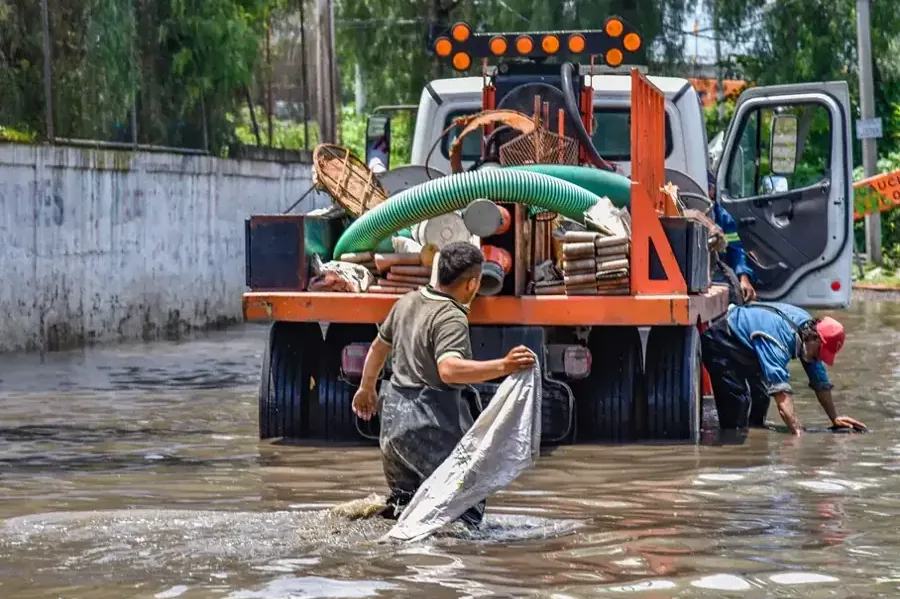
After outdoor water enters

Wilsonville Flood Damage Cleanup

Mud left at a doorway marks only part of a flood loss. Cleanup in Wilsonville examines the water route, exposed belongings and absorbent building layers before deciding what can be cleaned and dried.

(888) 373-8814Discuss muddy room cleanup
  • Debris and water
  • Material recovery decisions
  • Controlled interior cleaning
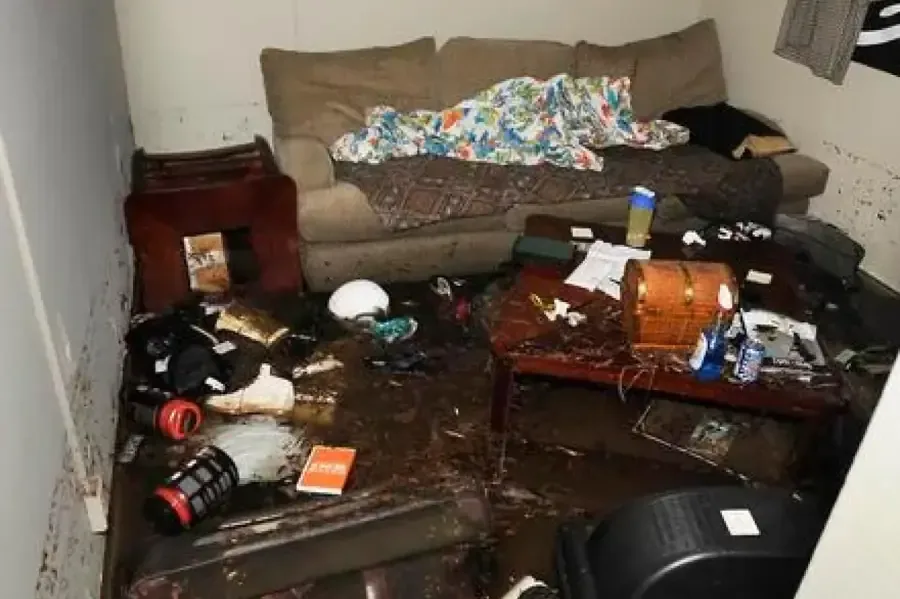
Mud and soaked household belongings across a flood-affected living room
Water originOutdoor entry assessed
Room prioritySeparate dirty traffic
Material decisionClean or remove
Drying stageAfter debris recovery
First steps

What to do before flood damage cleanup

  1. Keep traffic outside. Occupants should avoid moving through muddy rooms or carrying wet objects into clean areas. A separate route helps limit the spread of residue during assessment.
  2. Identify continuing entry. Observe the entry location from a safe position and report whether outdoor water still approaches it. Active intrusion changes the protection and recovery sequence.
  3. Photograph before sorting. Capture room overviews and the condition of important belongings without opening unsafe containers or entering unstable spaces. These images support later cleaning and disposal decisions.
  4. Arrange a building contact. The owner or manager should identify who can approve access, discuss contents and coordinate source corrections. Clear authority helps keep material decisions connected to the property.

Flood Damage Cleanup assessment

Inspect contact surfaces
The assessment follows sediment and moisture through the affected rooms, noting unstable finishes, contaminated contents and the access needed for controlled removal work.
Recover water and debris
Standing liquid and loose debris are removed using methods suited to their condition. The work route keeps recovered material away from unaffected rooms.
Clean retained materials
Recoverable hard surfaces receive cleaning after damaged porous layers are addressed. Exposed corners and joints are checked for residue that would obstruct proper recovery.
Dry and document
The remaining materials are monitored during drying, and the closeout record identifies completed removal and cleaning work along with any unfinished source or finish repairs.
How the work proceeds

How flood damage cleanup is handled

  1. 1

    Inspect contact surfaces

    The assessment follows sediment and moisture through the affected rooms, noting unstable finishes, contaminated contents and the access needed for controlled removal work.

  2. 2

    Recover water and debris

    Standing liquid and loose debris are removed using methods suited to their condition. The work route keeps recovered material away from unaffected rooms.

  3. 3

    Clean retained materials

    Recoverable hard surfaces receive cleaning after damaged porous layers are addressed. Exposed corners and joints are checked for residue that would obstruct proper recovery.

  4. 4

    Dry and document

    The remaining materials are monitored during drying, and the closeout record identifies completed removal and cleaning work along with any unfinished source or finish repairs.

Planning the work

What does flood damage cleanup cost in Wilsonville, OR?

Flood cleanup costs in Wilsonville reflect contamination, material removal and the size of the affected interior. These ranges provide a scope comparison, while actual access, debris volume and drying requirements determine the property estimate.

Limited outdoor entry

$2,000 to $4,000
  • Small affected zone
  • Accessible debris recovery
  • Localized surface cleaning

Multiple flooded rooms

$4,000 to $8,000
  • Broader contents sorting
  • Connected wet assemblies
  • More disposal handling

Extensive flood impact

$8,000 to $12,000+
  • Widespread porous losses
  • Complex cleaning access
  • Substantial structural drying

The scope reflects water category, affected area, material class and the delay before drying. water damage cost calculator.

A flood leaves more than moisture. Sediment can remain in cabinet recesses, floor joints and absorbent belongings after the water recedes. Wilsonville flood damage cleanup needs a controlled route for that material to leave the building, followed by cleaning and an assessment of the surfaces that remain available for drying.

Separate the water path from the landscape

Charbonneau sits south of the Willamette River, and Coffee Lake Creek includes the Coffee Lake Wetlands on the west side of town. At the damaged building, the important observations are where water crossed the threshold and which materials it touched. Photographs of sediment marks and affected rooms help preserve that sequence before removal begins.

Sort materials before moving them

A wet upholstered item and a washable hard surface require different decisions. Handling should account for absorbed contamination, construction and accessibility. Dragging a soaked rug into an unaffected hallway can expand the cleaning area. A designated exit route and protected staging location help keep unaffected belongings apart from the flood debris.

  • Closed containers need inspection before their contents are considered dry.
  • Floor coverings can conceal silt against the layer beneath them.
  • Wall bases may retain dirty water after nearby flooring has drained.
  • Item photographs help support a clear record before disposal decisions.

Clean the exposed assembly before drying

In RiverGreen, as in any affected part of town, material condition determines the next task. Water extraction removes remaining liquid, but cleaning must address residue left on recoverable surfaces. Porous layers that cannot be effectively cleaned need a documented removal decision before the space is prepared for equipment.

The remaining structure then receives controlled drying. Moisture checks should include joints and cavities exposed during cleanup. Replacing wallboard or flooring comes after the substrate has met the drying objectives, with the original entry problem addressed so the repaired interior stays protected.
Service area

Flood damage cleanup coverage

The Willamette River and Coffee Lake Wetlands are part of the local landscape. For an affected home in RiverGreen or elsewhere in town, the cleanup discussion should identify the entry point, occupied spaces and present indoor conditions.

The same service nearby: flood damage cleanup in West Linn, Sherwood, Canby.

Water damage restoration in Wilsonville · every town covered
Questions

Flood Damage Cleanup questions

01Can floodwater be treated like a sink spill?

Outdoor water can pick up contaminants and debris before entering a building. Its cleanup requires a different material assessment. The removal plan should account for that exposure before ordinary drying equipment is positioned.

02Should every wet item be put outside?

Unplanned movement can spread contamination or damage recoverable belongings. Items should be photographed and sorted by condition. A controlled staging area and removal route make later cleaning or disposal decisions easier to track.

03Why remove a floor covering that looks intact?

The visible surface may conceal dirty water or sediment beneath it. Accessibility and cleanability matter as much as appearance. Inspection determines whether the covering and underlying layers can be recovered together or need separation.

04Does the local river determine the cleanup scope?

The scope follows water that entered the particular building and contacted its materials. Entry observations, residue and moisture readings establish the work. A location description helps access planning while the interior assessment directs recovery.

05Can rooms be repainted immediately after washing?

Cleaned walls may still contain moisture within the assembly. Repainting should wait until the remaining materials have been assessed and dried. The source of entry also needs attention before new finishes are installed.

06What belongs in the damage record?

Room photographs, affected item lists, source observations and removal notes provide a practical account of the loss. Drying measurements and written scope changes help connect the completed work with the condition originally found indoors.

24/7 water restoration

Plan the cleanup after flooding

Arrange an assessment of affected contents, recoverable surfaces and the building layers that require cleaning before controlled drying begins.

(888) 373-8814Wet rooms? Call