West Linn Water Damage RestorationWater extraction and structural drying
Rain inside the roof assembly

Roof Leak Water Damage in Wilsonville

The roof opening and the ceiling drip may sit in different places. Wilsonville roof leak recovery traces rain through the attic or overhead assembly while coordinating safe exterior protection and drying of the interior materials already soaked.

(888) 373-8814Trace the attic rain pathway
  • Roof repair coordination
  • Wet attic materials
  • Interior drying checks
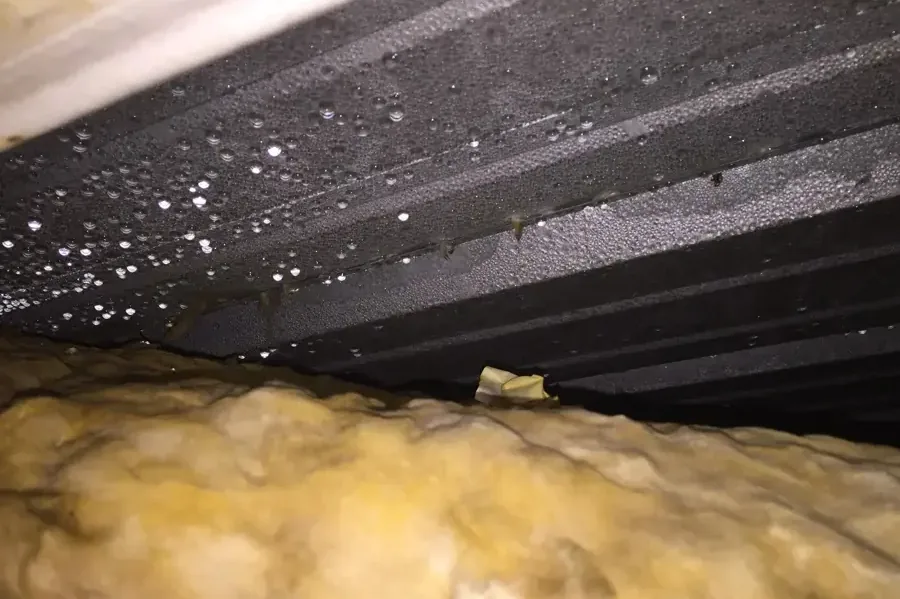
Water droplets beneath roof decking above yellow attic insulation
Seasonal settingWet November through March
Pathway checkRoof to interior finish
Absorbent layerInsulation beneath entry
Closure conditionSource corrected materials dried
First steps

What to do before roof leak water damage

  1. Remain off the wet roof. An occupant should describe visible rain entry from a protected position and arrange professional roofing assessment. Wet surfaces and elevated access make improvised patching an unsafe starting point.
  2. Keep clear below damage. Sagging ceiling areas should remain unoccupied, especially around fixtures. Dry belongings can be moved only from stable accessible parts of the room without passing beneath weakened overhead material.
  3. Collect the rain observations. Note when dripping begins, whether it changes with rainfall and which wall or ceiling surfaces darken. These details help connect the interior pathway with the roofing inspection findings.
  4. Explain available attic access. The building contact should identify any attic hatch or service access and restrictions on entry. Inspection above the ceiling needs a safe route before wet insulation or framing is approached.

Roof Leak Water Damage assessment

Inspect entry and protection
The assessment connects current roofing findings with interior water observations, identifies ongoing exposure and establishes safe work areas below any weakened ceiling or affected electrical fixture.
Inspect the concealed route
Accessible overhead materials are checked along the rain path. Insulation condition and framing moisture help establish which sections need removal and which can remain for drying.
Recover retained building layers
Damaged materials are addressed before airflow and dehumidification are arranged. The drying setup targets the exposed assembly and nearby edges where rain may have continued beyond the opening.
Coordinate the finish handoff
Repeat moisture checks are reviewed alongside the source repair status. The final record identifies areas ready for replacement insulation or wallboard and any remaining work that needs separate attention.
How the work proceeds

How roof leak water damage is handled

  1. 1

    Inspect entry and protection

    The assessment connects current roofing findings with interior water observations, identifies ongoing exposure and establishes safe work areas below any weakened ceiling or affected electrical fixture.

  2. 2

    Inspect the concealed route

    Accessible overhead materials are checked along the rain path. Insulation condition and framing moisture help establish which sections need removal and which can remain for drying.

  3. 3

    Recover retained building layers

    Damaged materials are addressed before airflow and dehumidification are arranged. The drying setup targets the exposed assembly and nearby edges where rain may have continued beyond the opening.

  4. 4

    Coordinate the finish handoff

    Repeat moisture checks are reviewed alongside the source repair status. The final record identifies areas ready for replacement insulation or wallboard and any remaining work that needs separate attention.

Planning the work

What does roof leak water damage cost in Wilsonville, OR?

Roof leak cleanup in Wilsonville depends on wet insulation, interior spread and safe access to the overhead assembly. These ranges compare interior recovery work; roof protection, source repair and replacement finishes should be clearly separated in the estimate.

One localized rain path

$1,000 to $2,200
  • Limited interior wetting
  • Accessible overhead section
  • Focused moisture inspection

Attic and ceiling saturation

$2,200 to $4,200
  • Wet insulation handling
  • Controlled ceiling removal
  • Additional framing drying

Multiple interior assemblies

$4,200 to $6,000+
  • Connected wall pathways
  • Broader material access
  • More equipment coordination

The scope reflects water category, affected area, material class and the delay before drying. water damage cost calculator.

Rain may run along the underside of a roof assembly before reaching insulation and ceiling wallboard. The drip in a room can therefore be the end of the path. Wilsonville roof leak cleanup connects roofing observations with an interior moisture inspection so the wet assembly is addressed beyond the visible ceiling spot.

Account for the next rainfall

The wettest local period runs from November through March. When rain is still entering, safe exterior protection and source repair coordination are part of organizing the interior work. Occupants should avoid climbing onto a wet roof. A roofing professional can evaluate the opening while cleanup focuses on accessible damage below it.

Trace moisture through the overhead layers

Old Town lies along Boones Ferry Road, and Villebois is on the western edge of the city. At an affected property in either setting, attic access and the actual roof assembly determine the inspection route. Soaked insulation, wet framing and stained wallboard need separate condition assessments because they hold and release moisture differently.

  • Water can travel along framing before dropping onto a ceiling seam.
  • Insulation may conceal wet material underneath its visible upper surface.
  • Ceiling fixtures can make a small drip an electrical access concern.
  • Wall corners may carry rainwater below the first overhead stain.

Recover the interior while the source is repaired

A home in Wilsonville Meadows may need ceiling leak cleanup where the overhead finish has weakened. Selective removal should reach saturated layers and establish safe drying access. The scope should distinguish roofing work from the treatment of interior materials, while keeping the two schedules connected.

Structural drying then addresses framing and finishes retained after removal. The readings should follow the rain path, including enclosed edges beyond the open area. New insulation or ceiling finishes belong after that assessment. Covering an assembly while it remains wet can conceal moisture even though the roof opening has been repaired.

Service area

Roof leak water damage coverage

Old Town, Villebois and Wilsonville Meadows are useful location references when discussing roof leak damage. The assessment also needs the room beneath the drip, available attic access and any roofing findings that explain how rain reached the interior materials.

The same service nearby: roof leak water damage in West Linn, Sherwood, Canby.

Water damage restoration in Wilsonville · every town covered
Questions

Roof Leak Water Damage questions

01Is the ceiling drip directly under the roof opening?

Rain can travel along roof materials and framing before dropping into a room. The visible drip may therefore be offset. Roofing findings and interior moisture checks should be compared to establish the complete pathway and repair location.

02Can the attic dry after the roof is patched?

Stopping rain entry is necessary, but insulation and framing may retain moisture. Their condition and access determine the drying approach. Some layers may need removal before retained materials can dry effectively under a controlled equipment setup.

03Should wet insulation be covered with a new layer?

Adding material over wet insulation can conceal the condition and restrict access. The affected layer needs assessment first. Removal and replacement decisions should follow the water exposure, material condition and ability to dry the surrounding assembly.

04What if the ceiling only drips during heavy rain?

The timing is useful information for the roofing professional, but intermittent entry can still wet concealed materials. The interior inspection should assess the actual rain path and any retained moisture rather than relying on the interval between drips.

05Does the cleanup price include exterior roof repairs?

The ranges describe interior water damage recovery. Exterior protection and roof repairs should have a separate description in the scope. Coordinating those tasks helps keep the interior dry while the building materials are being recovered.

06When can the damaged ceiling be rebuilt?

The rain entry should be corrected and the overhead assembly assessed for dryness and stability. Measurements need to include retained framing and adjoining layers. Replacement finishes can then be planned around the remaining physical damage documented during cleanup.

24/7 water restoration

Recover the interior along the rain path

Arrange a coordinated assessment of wet insulation, damaged ceiling finishes and the material readings needed before the overhead assembly is rebuilt.

(888) 373-8814Wet rooms? Call